Front of the Card
Back of the Card
Japanese
English
Audio: NHK Creative Library
Read by LibriVox volunteer Larry Wilson.
Audio courtesy of LibriVox
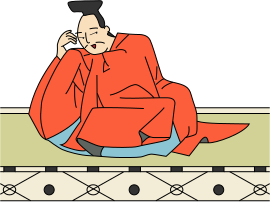
猿丸太夫
奥山に
紅葉踏み分け
鳴く鹿の
声聞く時ぞ
秋はかなしき
こゑきくと
きそあきは
かなしき

おく


- Poem 5
- 奥山に
紅葉踏み分け
鳴く鹿の
声聞く時ぞ 秋はかなしき
Author: Sarumaru Dayū (dates unknown)
Source: Kokin Wakashū, Autumn
- English Verse Translation
- Hear the stag's pathetic call Far up the mountain side, While tramping o'er the maple leaves
Wind-scattered far and wide This sad, sad autumn tide.
— William N. Porter, 1909
- Modern Translation
- Deep in the mountains, treading through the scattered autumn leaves, I hear a deer cry. Listening to that voice, I feel the sadness of autumn all the more.
- Commentary
- The Kokin Wakashū says this poem was written for a poetry contest at the home of Prince Koresada, a son of Emperor Kōkō. Autumn is the deer's mating season, when stags call for mates with a high, piercing cry. People of the time heard this sad cry as a sign of deepening autumn and its loneliness. A wildlife photographer has posted a video on YouTube where you can hear a stag's call. It's a rare recording, so please take a listen.
- About the Poet
- Nothing is recorded about Sarumaru Dayū's birth, death, or life, and nothing is known of his background or work, so he is called a legendary poet.
- Poem Illustration
-
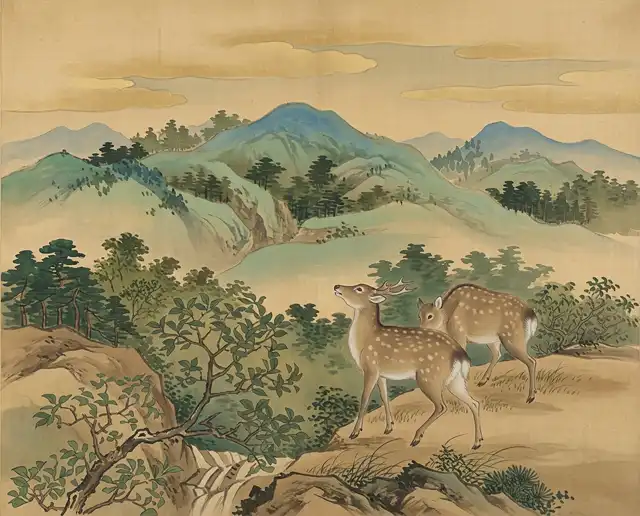
This image is based on an illustration from William N. Porter's A Hundred Verses from Old Japan, his 1909 English translation of the Hyakunin Isshu published in England, colorized and reworked using Adobe Firefly (generative AI).
- Sarumaru Dayū: A Short Timeline
-
- Notes
-
- Thought to have lived in the late Nara or early Heian period
- His name appears in the Chinese preface to the Kokin Wakashū
- Counted as one of the Thirty-Six Immortal Poets
- Appendix
-
- Autumn Leaves and Deer
-
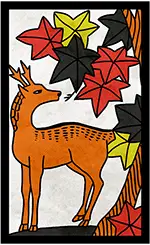
The October card of hanafuda (Japanese flower cards) shows "autumn leaves and a deer."
This pairing of seasonal images is a classic, and it appears in many waka poems. - A Haiku by Matsuo Bashō
- This haiku was written late in life by Matsuo Bashō, a haiku poet of the early Edo period, at Sarusawa Pond in Nara. "Shirigoe" is a cry that trails on long after it ends. The deer's cry echoing through the autumn evening brings the same loneliness as Sarumaru Dayū's poem.
In Japanese
ぴいと啼 尻声悲し 夜の鹿 piitonaku shirigoekanashi yorunoshika Matsuo BashōIn English
"Pii!" it cries, and its long, trailing call
makes the night feel lonelier still: a deer in the night. - Poems About the Cry of the Deer
- The cry of the deer, a sound of autumn, has appeared in many waka since ancient times.
A stag calling for a doe was seen as a sign of deep love between husband and wife.In Japanese
秋萩を しがらみふせて 鳴く鹿の
目には見えずて 音のさやけさ akihagio shigaramifusete nakushikano
menihameezute otonosayakesa Kokin Wakashū, author unknownIn English
I cannot see the deer crying as it presses through the tangled autumn bush clover,
but its voice comes clearly to me.In Japanese
山里は 秋こそことに わびしけれ
鹿の鳴く音に 目を覚ましつつ yamazatoha akikosokotoni wabishikere
shikanonakuneni meosamashitsutsu Kokin Wakashū, Mibu no TadamineIn English
In a mountain village, autumn is the loneliest season of all.
Woken again and again by the cry of the deer, I cannot sleep.In Japanese
夕されば 小倉の山に 鳴く鹿は
今夜は鳴かず 寝ねにけらしも yuusareba oguranoyamani nakushikaha
koyoihanakazu inenikerashimo Man'yōshū, Emperor Okamoto (Emperor Jomei)In English
The deer that cries on Mount Ogura every evening
is silent tonight. Has it gone to sleep (with its mate)? - Sarumaru Shrine
-
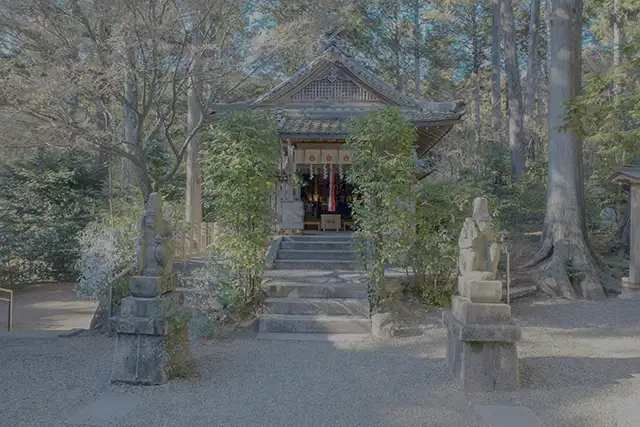
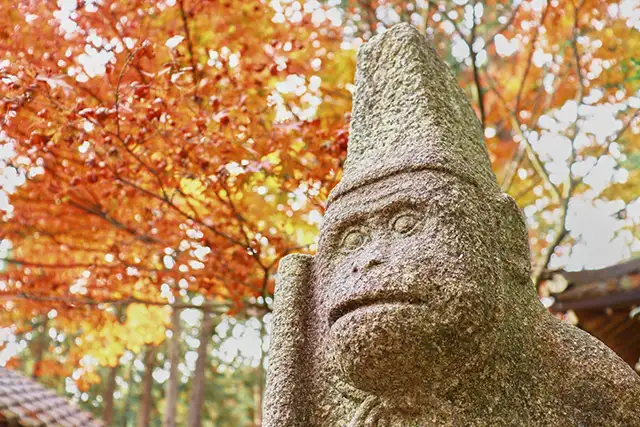
In Ujitawara Town, Kyoto Prefecture, stands Sarumaru Shrine, which is said to have the power to cure lumps, warts, and other growths.
This may remind you of the folk tale "The Old Man Who Lost His Lump," but no direct link between the two has been found.
The shrine honors Sarumaru Dayū. Instead of the usual guardian lion-dogs, its grounds have a pair of guardian monkeys.
- "The Plant Where Deer Cry" (Bush Clover)
-
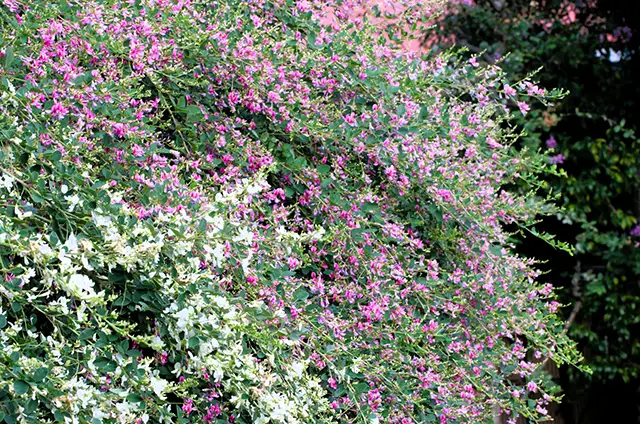
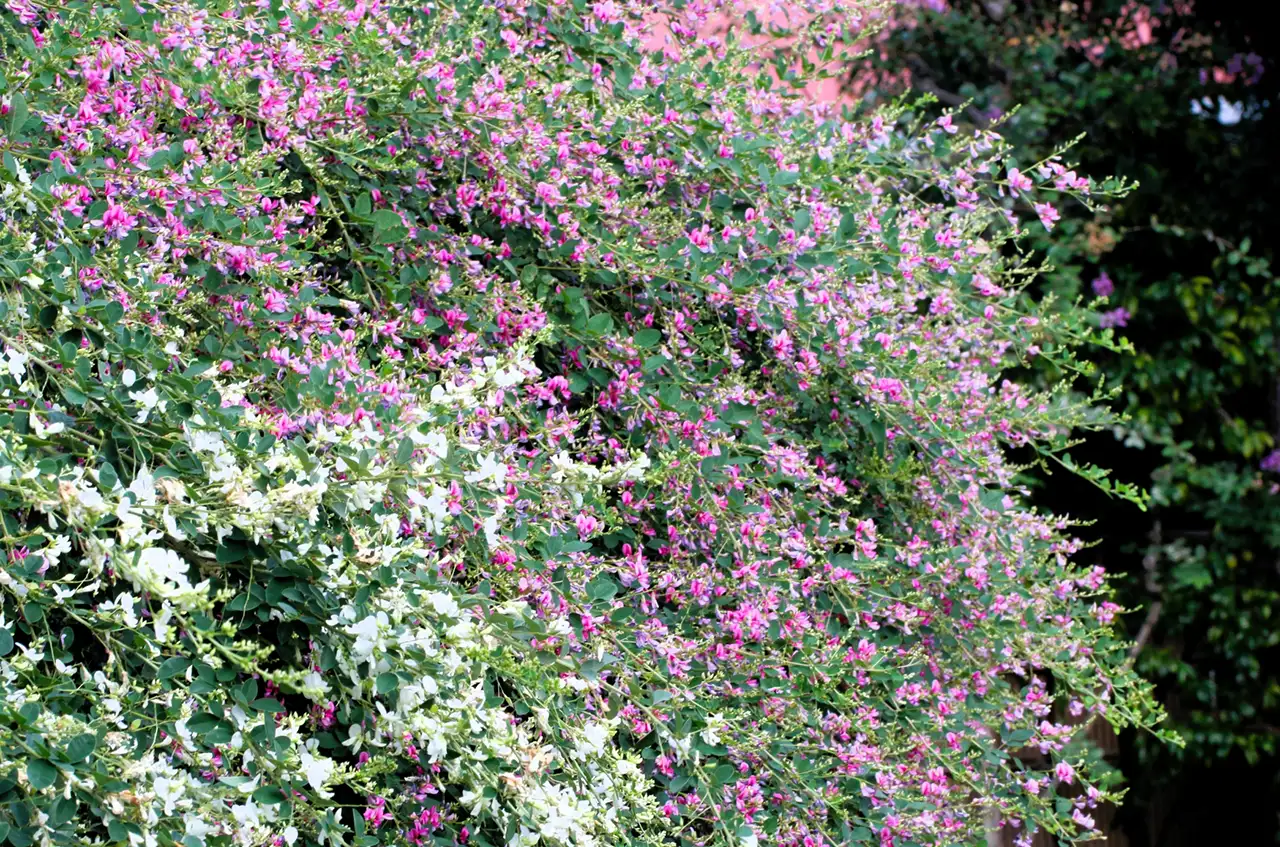
Bush clover (hagi) has another name, shika-naku-gusa, "the plant where deer cry."
The name is said to come from its blooming around the time stags cry. No poem in the Hyakunin Isshu mentions bush clover, but it stands out in the Man'yōshū: it appears in as many as 141 poems, more than cherry or plum blossoms, making it the plant that appears most often in the collection. - Ukiyo-e by Katsushika Hokusai
-
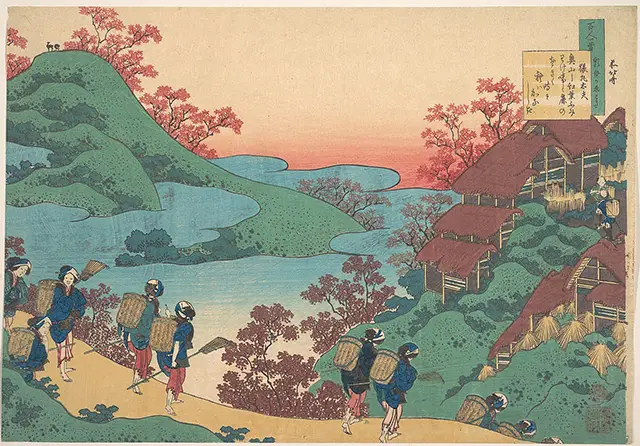
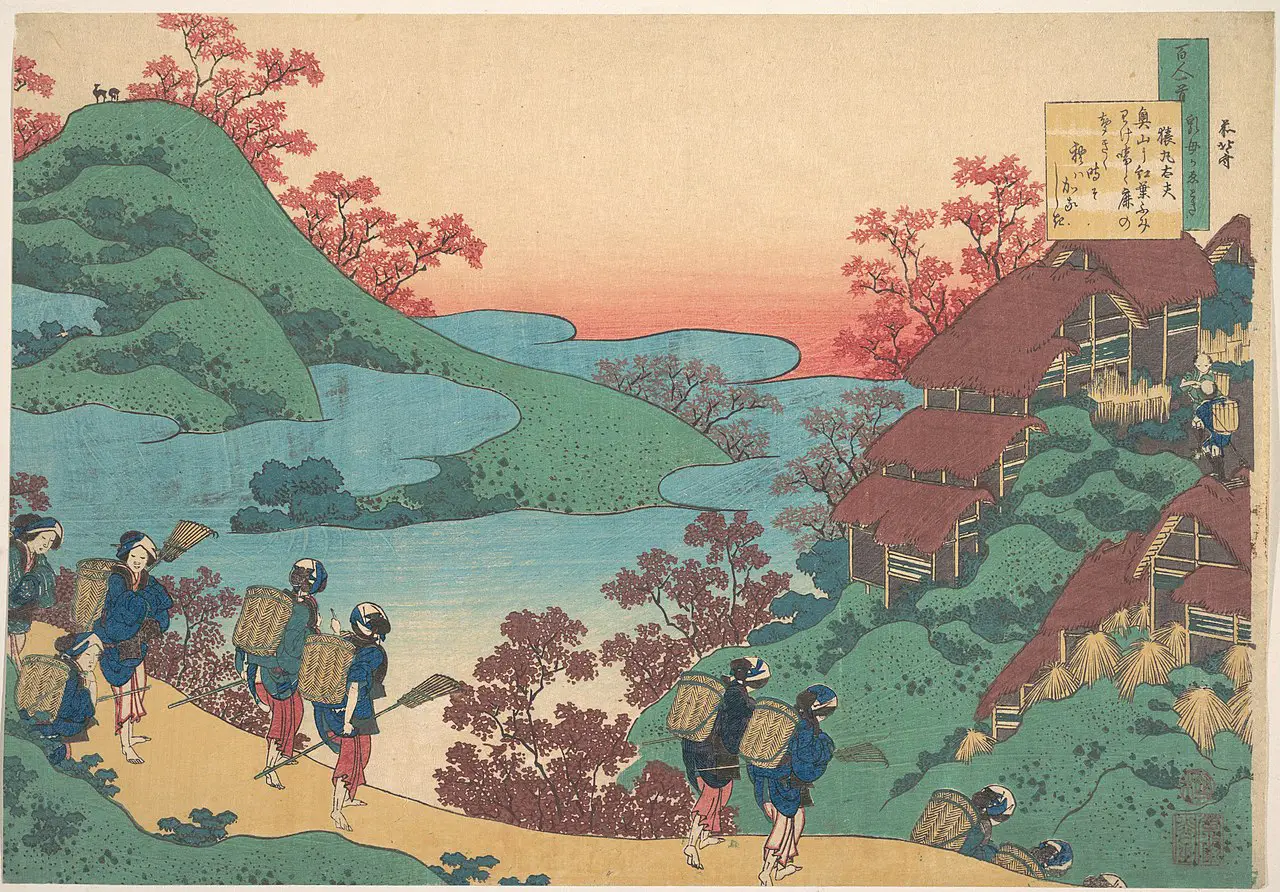
Katsushika Hokusai, CC0, via Wikimedia Commons This print is from One Hundred Poems Explained by the Nurse (Hyakunin Isshu Uba ga Etoki) by Katsushika Hokusai, an ukiyo-e artist of the Edo period. The idea of the series is a nurse explaining the Hyakunin Isshu poems with easy-to-understand pictures.
A deer stands at the top of the mountain, and the fifth person from the left, holding a rake in his left hand, is pointing toward it.
Click the image to see it larger. - Utagawa Kuniyoshi's Hyakunin Isshu no Uchi
-
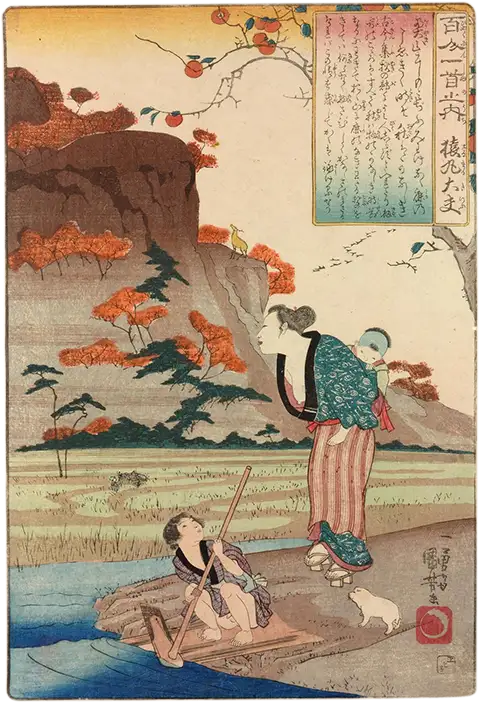
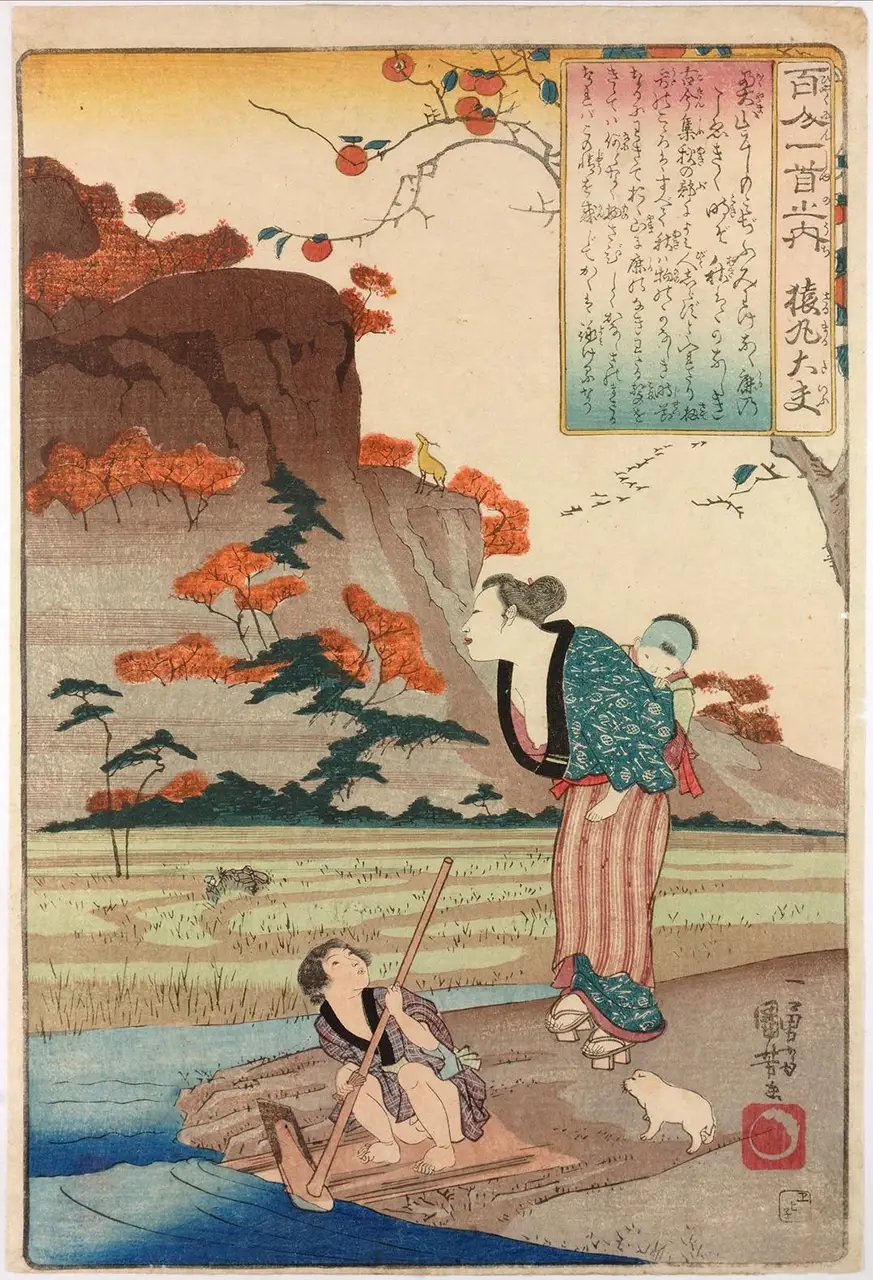
British Museum, Public domain, via Wikimedia Commons This ukiyo-e is by Utagawa Kuniyoshi, an artist of the Edo period.
It shows a scene that matches the poem in the Hyakunin Isshu.A single deer is drawn halfway up the mountain, but there is no sadness here: it shows a relaxed, everyday scene.
And yet the gentle, quiet mood of the whole picture fits strangely well with the autumn feeling of Sarumaru Dayū's poem.
Its touch, quietly cherishing the deepening autumn, seems to show us another side of the poem.