Front of the Card
Back of the Card
Japanese
English
Audio: NHK Creative Library
Read by LibriVox volunteer Larry Wilson.
Audio courtesy of LibriVox
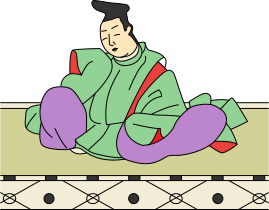
曾禰好忠
由良のとを
渡る舟人
かぢを絶え
ゆくへも知らぬ
恋の道かな
ゆくへもし
らぬこひの
みちかな

ゆら


- Poem 46
- 由良のとを
渡る舟人
かぢを絶え
ゆくへも知らぬ 恋の道かな
Author: Sone no Yoshitada (dates unknown)
Source: Shin Kokin Wakashū, Love
- English Verse Translation
- The fishing-boats are tossed about, When stormy winds blow strong; With rudder lost, how
can they reach The port for which they long? So runs the old love-song.
— William N. Porter, 1909
- Modern Translation
- Like a boatman who has lost his oar on the swift straits of Yura — I drift, not knowing where my love is taking me.
- Commentary
- The poet, lost on the path of love, compares himself to a sailor who has lost his rudder at the fast-flowing mouth of the Yura River.
- About the Poet
- Sone no Yoshitada used old Man'yōshū words to widen what waka could say, and was among the first to write sets of a hundred poems. His bold style was seen as odd in his day, but later admired: he has the most poems of anyone in the Shika Wakashū. He served in Tango, so the Yura River was familiar to him.
- Poem Illustration
-
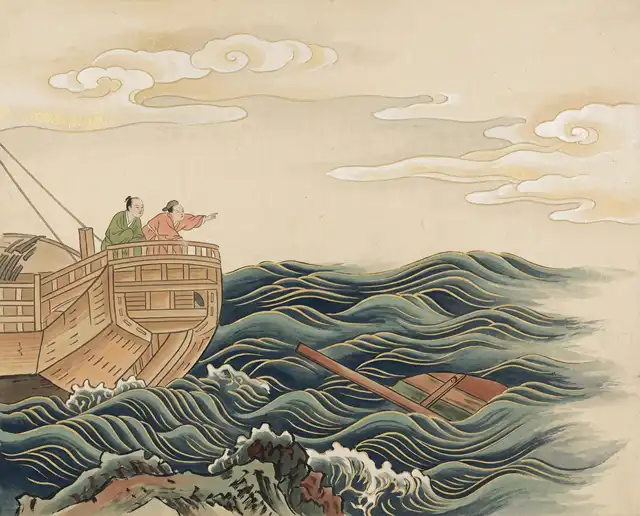
This image is based on an illustration from William N. Porter's A Hundred Verses from Old Japan, his 1909 English translation of the Hyakunin Isshu published in England, colorized and reworked using Adobe Firefly (generative AI).
- Sone no Yoshitada: A Short Timeline
-
- Unknown
- Becomes an official of Tango Province
- 985
- Shows up uninvited at Retired Emperor En'yū's New Year outing and is thrown out
- Notes
-
Sone no Yoshitada was a skilled poet, but because of his low rank he was shut out by the aristocratic society of his day.
- Because he served as a junior official (jō) of Tango Province, he was called "Sotango" or "Sotan," names said to have been meant as insults
- Counted as one of the Later Thirty-Six Immortal Poets (Chūko Sanjūrokkasen)
- Appendix
-
- Ono no Komachi's Poem
About a Boat That Has Lost Its Oar - Like Sone no Yoshitada, Ono no Komachi wrote a poem comparing a vague sense of unease to a boat that has lost its oar.
In Japanese
須磨の海女の 浦こぐ舟の 梶を絶え
よるべなき身ぞ 悲しかりける sumanoamano urakogufuneno kajiotae
yorubenakimizo kanashikarikeru Shoku Kokin Wakashū, Ono no KomachiIn English
Like a diver rowing in the bay of Suma who has lost her oar,
how sad I am, with no one to turn to. - A Poem by Saigyō
About Not Knowing Where He Is Headed - Like Sone no Yoshitada, Saigyō wrote about not knowing where he was headed.
The headnote in the Shin Kokin Wakashū says it was written about Mount Fuji while he was traveling east for religious practice. He seems to see in Fuji's smoke, drifting off who knows where, his own wandering journey with no fixed end.In Japanese
風になびく 富士の煙の 空に消えて
ゆくへもしらぬ わが思ひかな kazeninabiku fujinokeburino soranikiete
yukuhemoshiranu wagaomohikana Shin Kokin Wakashū, SaigyōIn English
Just as the smoke of Mount Fuji, blown by the wind, vanishes into the sky,
I do not know where my thoughts will end up. - A Poem Regretting the Passing of Autumn
- "Kirigirisu" in old poems means what we now call a cricket (kōrogi).
In the chirping of crickets in late autumn, the poet feels sorry to see the last of autumn go.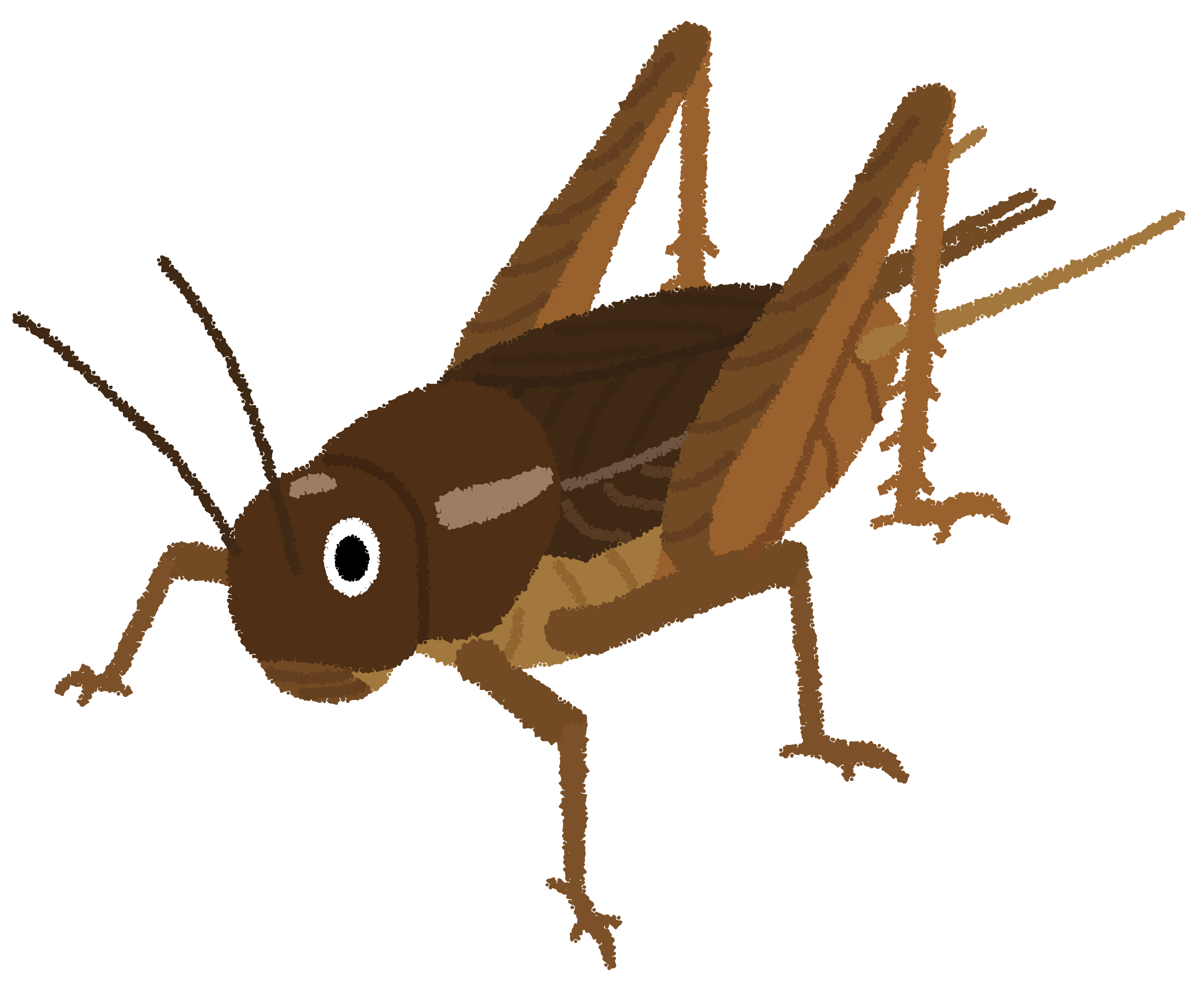
In Japanese
鳴けや鳴け 蓬が杣の きりぎりす
過ぎゆく秋は げにぞ悲しき nakeyanake yomogigasomano kirigirisu
sugiyukuakiha genizokanashiki Go Shūi Wakashū, Sone no YoshitadaIn English
Sing on, sing on, cricket, living in the mugwort as if it were a forest.
The passing of autumn is truly sad. - The Yura River (Kyoto Prefecture)
-
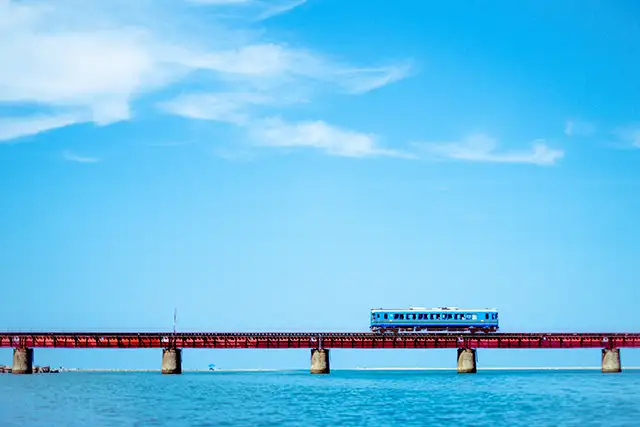
The main river of a class A river system in northern Kyoto Prefecture.
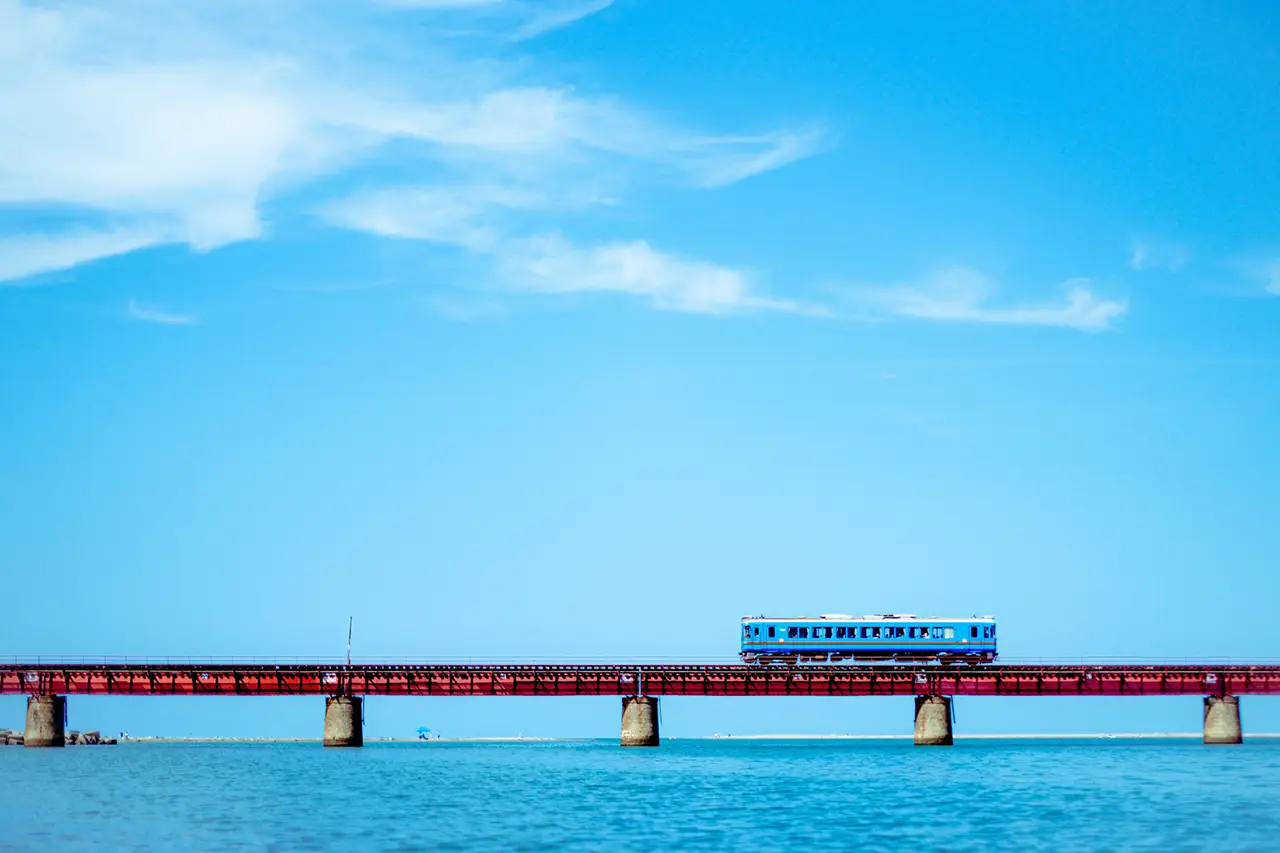
Here a Kyoto Tango Railway train crosses the Yura River with the Sea of Japan behind it.
See it on the map
- Ono no Komachi's Poem