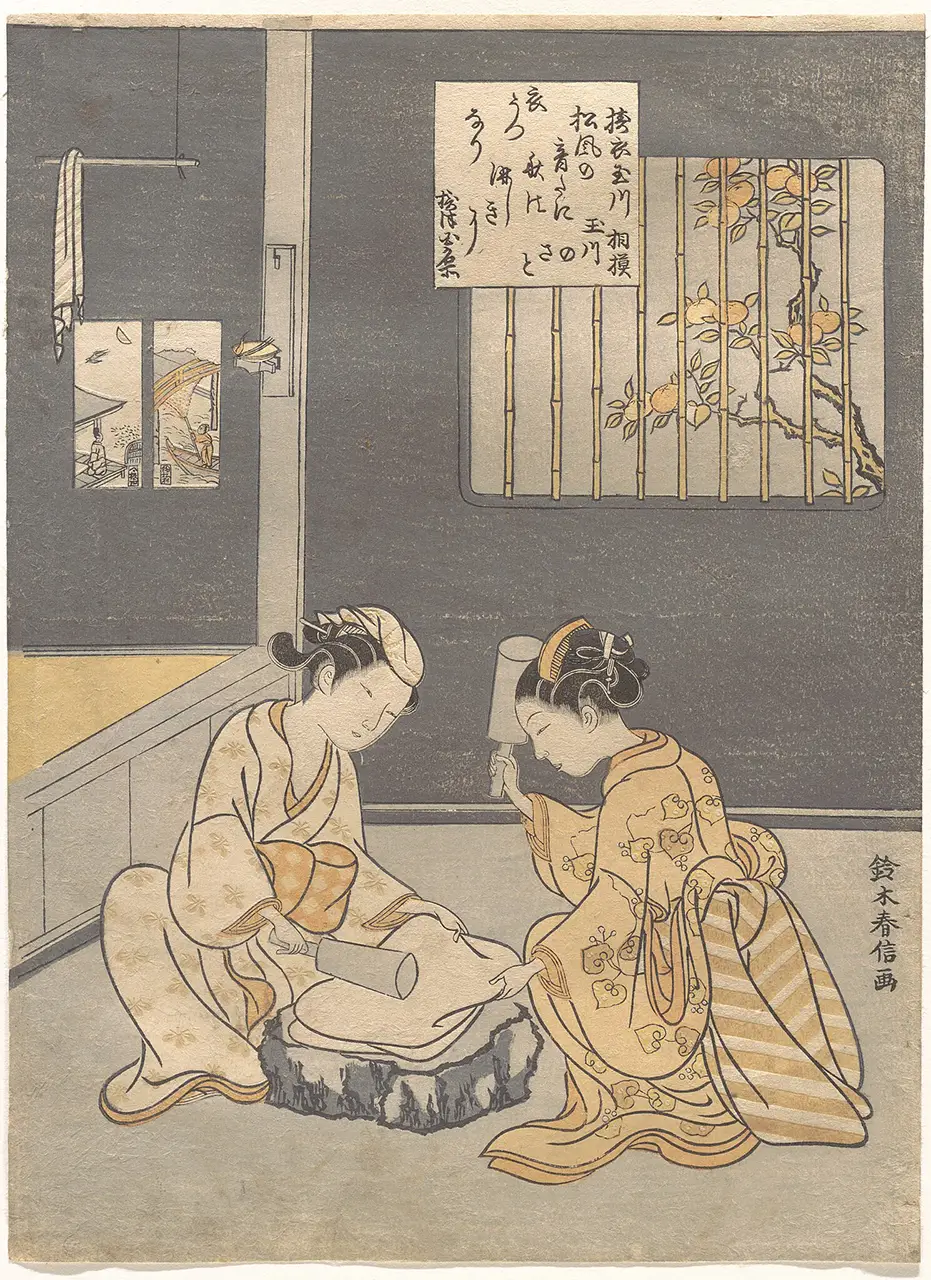
Front of the Card
Back of the Card
Japanese
English
Audio: NHK Creative Library
Read by LibriVox volunteer Larry Wilson.
Audio courtesy of LibriVox
参議雅経
み吉野の
山の秋風
さ夜ふけて
ふるさと寒く
衣うつなり
ふるさとさ
むくころも
うつなり

みよ


- Poem 94
- み吉野の
山の秋風
さ夜ふけて
ふるさと寒く 衣うつなり
Author: Councillor Masatsune (1170–1221)
Source: Shin Kokin Wakashū, Autumn
- English Verse Translation
- Around Mount Miyoshino's crest The autumn winds blow drear; The villagers are beating
cloth, Their merry din I hear, This night so cold and clear.
— William N. Porter, 1909
- Modern Translation
- On an autumn night, the mountain wind of Yoshino blows cold. In the old village, I can hear the sound of someone beating cloth.
- Commentary
- Written on the theme of beating cloth (tōi): striking damp cloth with a wooden mallet to set its folds and give it shine. The poem borrows from Sakanoue no Korenori's poem about snow on the Yoshino mountains and the growing cold in the old capital. The image of beating cloth may also come from a Chinese poem by Li Bai.
- About the Poet
- Fujiwara no Masatsune was a master of kemari (court football) and founded the Asukai school of the game. He studied waka under Fujiwara no Toshinari and was chosen as a compiler of the Shin Kokin Wakashū.
- Poem Illustration
-
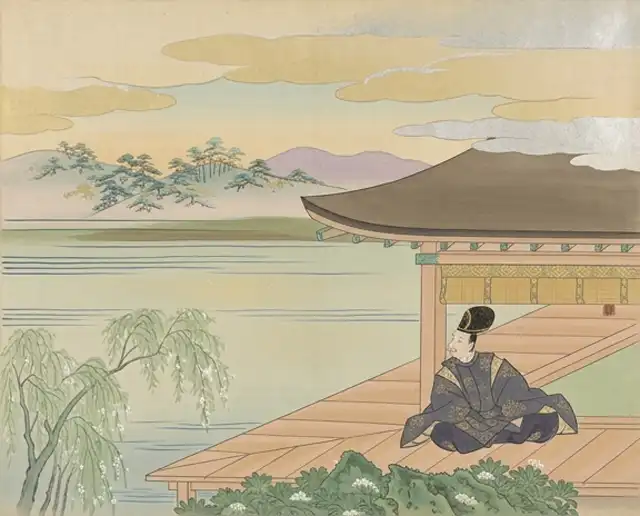
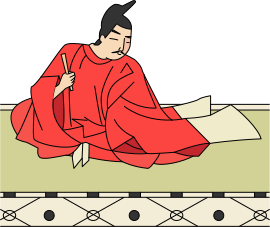
This image is based on an illustration from William N. Porter's A Hundred Verses from Old Japan, his 1909 English translation of the Hyakunin Isshu published in England, colorized and reworked using Adobe Firefly (generative AI).
- Asukai Masatsune: A Short Timeline
-
- 1170
- Born as a son of Fujiwara no Yoritsune
- 1180
- Given Junior Fifth Rank, Lower Grade
- 1197
- Pardoned for an offense, returns to the capital, and becomes a Chamberlain (Jijū)
- 1201
- Joins the Office of Poetry and is chosen to compile the Shin Kokin Wakashū
- 1208
- Recognized for his skill at kemari (court football)
- 1220
- Becomes Councillor (Sangi)
- 1221
- Dies
- Councillor Masatsune's Family Tree and Relationship Chart
-
Fujiwara no Masatsune was a master of kemari (court football) and is regarded as the founder of the Asukai school of kemari. His grandfather, Fujiwara no Yorisuke, is regarded as the founder of the Nanba and Asukai families, both families of kemari.
When Minamoto no Yoritomo and his brother Yoshitsune came into conflict, Masatsune's father, Nanba Yoritsune, was exiled because he was close to Yoshitsune. Masatsune too was punished along with him and taken to the Kamakura shogunate, but Yoritomo, the first shogun, thought highly of his talent for waka and kemari. This led Masatsune to form close ties with the second shogun, Minamoto no Yoriie, and the third shogun, Minamoto no Sanetomo.
Masatsune also became Minamoto no Yoritomo's adopted son (yūshi), and through this connection he married the daughter of Ōe no Hiromoto, a powerful leading official of the Kamakura shogunate.
- Appendix
-
- Beating Cloth
-
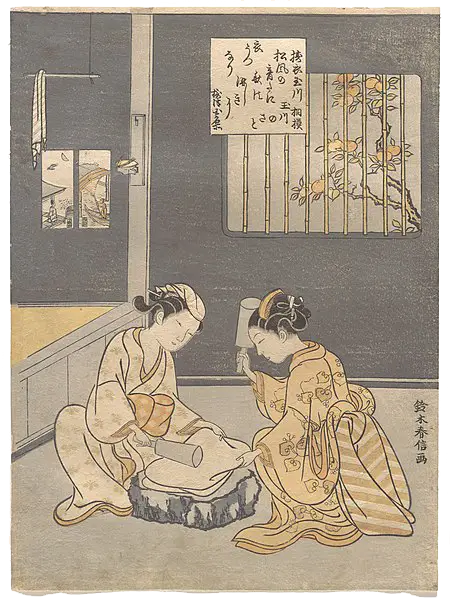
Suzuki Harunobu, CC0, via Wikimedia Commons This ukiyo-e print, Fulling Cloth at the Jewel River in Settsu Province (Tōi no Tamagawa, Settsu no meisho), is by Suzuki Harunobu (1724–1770), an ukiyo-e artist of the Edo period. It shows cloth being beaten with a wooden mallet (kinuta).
- Li Bai's Chinese Poem
-
Masatsune is thought to have based his poem on the third of Li Bai's four "Songs of Midnight in the Wu Style" (Ziye Wu Ge).
In Chinese
長安一片月、
万戸擣衣声。
秋風吹不尽、
総是玉關情。
何日平胡虜、
良人罷遠征。 Ziye Wu Ge, Li BaiIn English
Over Chang'an hangs a sliver of moon,
and from every house comes the sound of beating cloth.
The autumn wind blows on without end,
and all of it brings thoughts of husbands serving at the Jade Gate Pass.
When will our husbands defeat the northern tribes,
end their long campaign, and come home? - Masatsune's Best-Known Poem
-
The next poem was written on the theme "falling leaves" at the Kasuga Shrine poetry contest. It is known as Masatsune's best work.
"Katsura" is a kakekotoba (a word with two meanings) for both Mount Katsuragi and masaki no kazura (Asian star jasmine).In Japanese
移りゆく 雲に嵐の 声すなり
散るか正木の 葛城の山 utsuriyuku kumoniarashino koesunari
chirukamasakino katsuraginoyama Shin Kokin Wakashū, Fujiwara no MasatsuneIn English
Watching the clouds race by, I seem to hear the sound of a storm. Are the leaves of the star jasmine falling on Mount Katsuragi?
- Shiramine Jingū Shrine
-
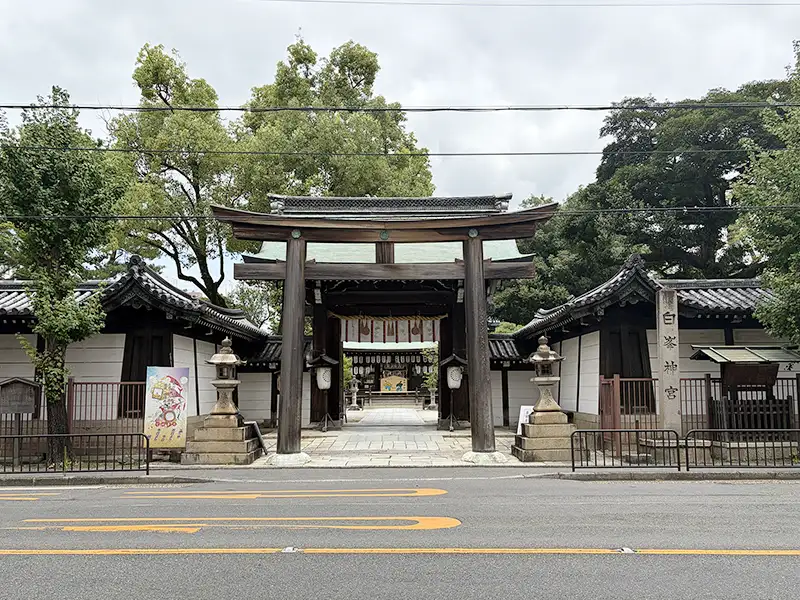
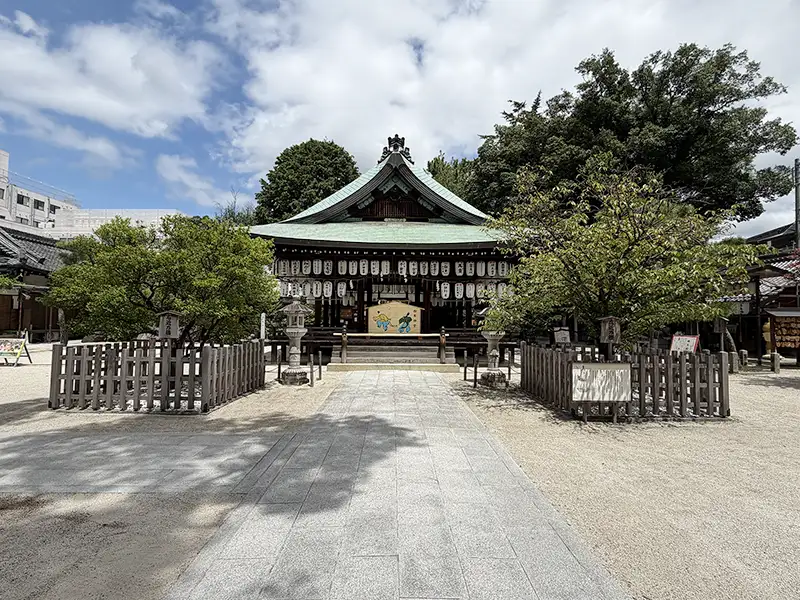
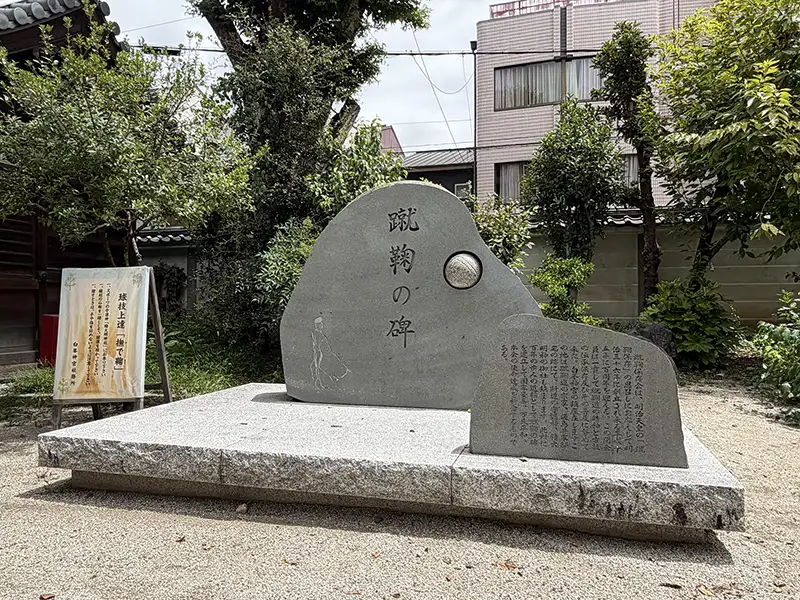
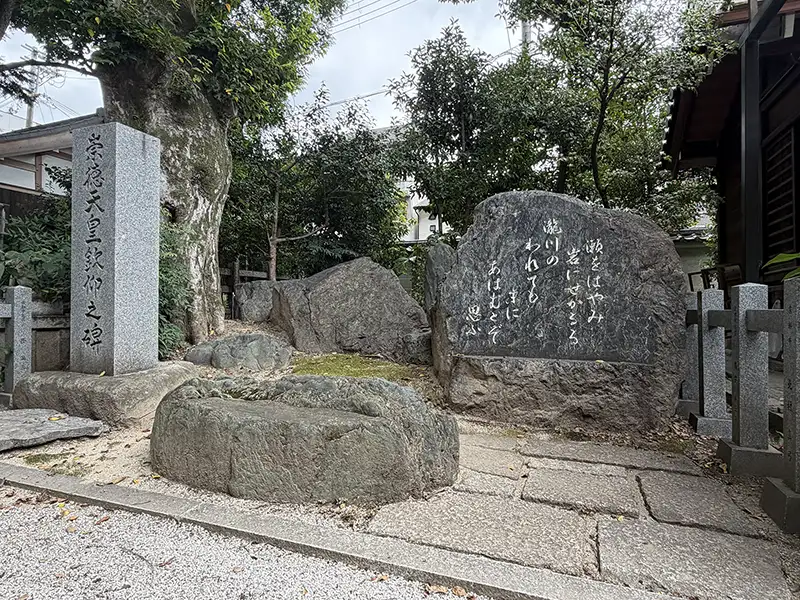
Shiramine Jingū stands on the site of the Asukai family's mansion. It is connected with the Asukai family, known for waka and kemari, and so with two Hyakunin Isshu poets: Asukai Masatsune (Poem 94) and Retired Emperor Sutoku (Poem 77), the shrine's deity. See it on the map
(Photos taken August 8, 2026)