Front of the Card
Back of the Card
Japanese
English
Audio: NHK Creative Library
Read by LibriVox volunteer Larry Wilson.
Audio courtesy of LibriVox
殷富門院大輔
見せばやな
雄島のあまの
袖だにも
ぬれにぞぬれし
色はかはらず
ぬれにそぬ
れしいろは
かはらす

みせ


- Poem 90
- 見せばやな
雄島のあまの
袖だにも
ぬれにぞぬれし 色はかはらず
Author: Attendant to Empress Inpu (c. 1130–c. 1200)
Source: Senzai Wakashū, Love
- English Verse Translation
- The fisher's clothes, though cheap, withstand The drenching they receive; But see I my
floods of tears have blurred The colours of my sleeve, As for thy love I grieve.
— William N. Porter, 1909
- Modern Translation
- I wish I could show you — these sleeves of mine, soaked through and through with tears that never change color, never dry.
- Commentary
- Written on the theme "love" for a poetry contest. In poems of the time, "tears of blood" meant extreme grief. The poem does not say it, but readers understood "the color of my sleeves" to mean sleeves stained by tears of blood.
- About the Poet
- Taifu served Inpumon-in, a daughter of Emperor Go-Shirakawa and the elder sister of Princess Shikishi. She wrote so many poems that she was called "Taifu of a Thousand Poems."
- Poem Illustration
-
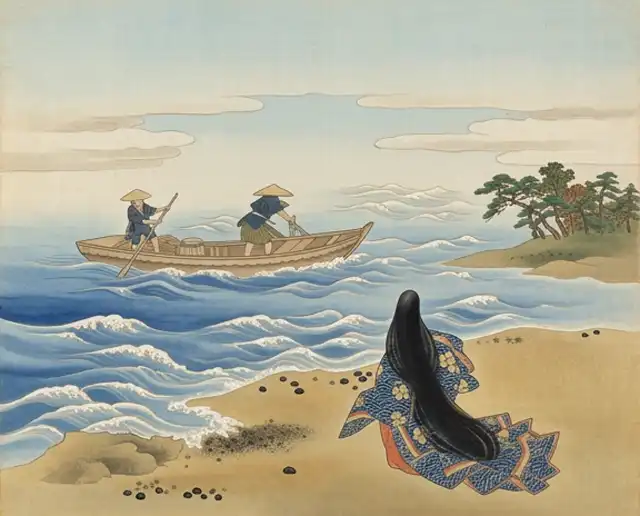
This image is based on an illustration from William N. Porter's A Hundred Verses from Old Japan, his 1909 English translation of the Hyakunin Isshu published in England, colorized and reworked using Adobe Firefly (generative AI).
- Taifu of Inpumon-in: A Short Timeline
-
- c. 1130
- Born as a daughter of Fujiwara no Nobunari
- 1160
- Takes part in the poetry contest held by Kiyosuke
- 1182
- Takes part in the Juei Hundred-Poem Sequence
- 1187
- Holds her own hundred-poem gathering
- 1192
- Becomes a nun along with her mistress, Inpumon-in
- c. 1200
- Dies
- Attendant to Empress Inpu's Relationship Chart
-
The poet was a lady-in-waiting (nyōbō) who served Inpumon-in (Princess Ryōshi), a daughter of Emperor Go-Shirakawa and the elder sister of Princess Shikishi.
She took part in the Karin'en, the poetry circle led by Priest Shun'e, and knew Fujiwara no Sadaie, Jakuren, Saigyō, Minamoto no Yorimasa, and others. It is also said that she once spent a whole night enjoying linked verse (renga) with Kojijū, who was seen as her rival.
- Appendix
-
- Tears of Blood
- In waka, they are called "kōrui" or "kurenai no namida" (crimson tears).
- The Original Poem (Honka)
-
The poet's Hyakunin Isshu poem uses honkadori (borrowing from an older poem), based on the following poem by Minamoto no Shigeyuki.
Her poem is said to have been written as a reply to Shigeyuki's poem.In Japanese
松島や 雄島の磯に 漁りせし
海人の袖こそ かくは濡れしか matsushimaya ojimanoisoni asariseshi
amanosodekoso kakuhanureshika Goshūi Wakashū, Minamoto no ShigeyukiIn English
Would even the sleeves of the fisherfolk who fish on the rocky shore of Ojima at Matsushima
be as wet as my sleeves, soaked with tears? - Poems of Sleeves Wet with Tears
-
In waka, wetting one's sleeves with tears is a standard way of expressing sorrow or the pain of love.
The next poem appears in Chapter 40, "Minori" (The Rites), of The Tale of Genji. It was written by the Retired Minister (Chiji no Otodo), once the Tō no Chūjō, Hikaru Genji's rival and close friend, for Genji, who had lost his beloved Murasaki. The minister links Murasaki's death to his own grief long ago, when his younger sister Aoi, Genji's first wife, died.In Japanese
いにしへの 秋さへ今の 心地して
濡れにし袖に 露ぞおきそふ inishiheno akisaheimano kokochishite
nurenishisodeni tsuyuzookisofu The Tale of Genji, the Retired MinisterIn English
Even that autumn long ago (the autumn when Aoi died) feels like now, and on my sleeves, already wet with tears, more dew seems to fall.
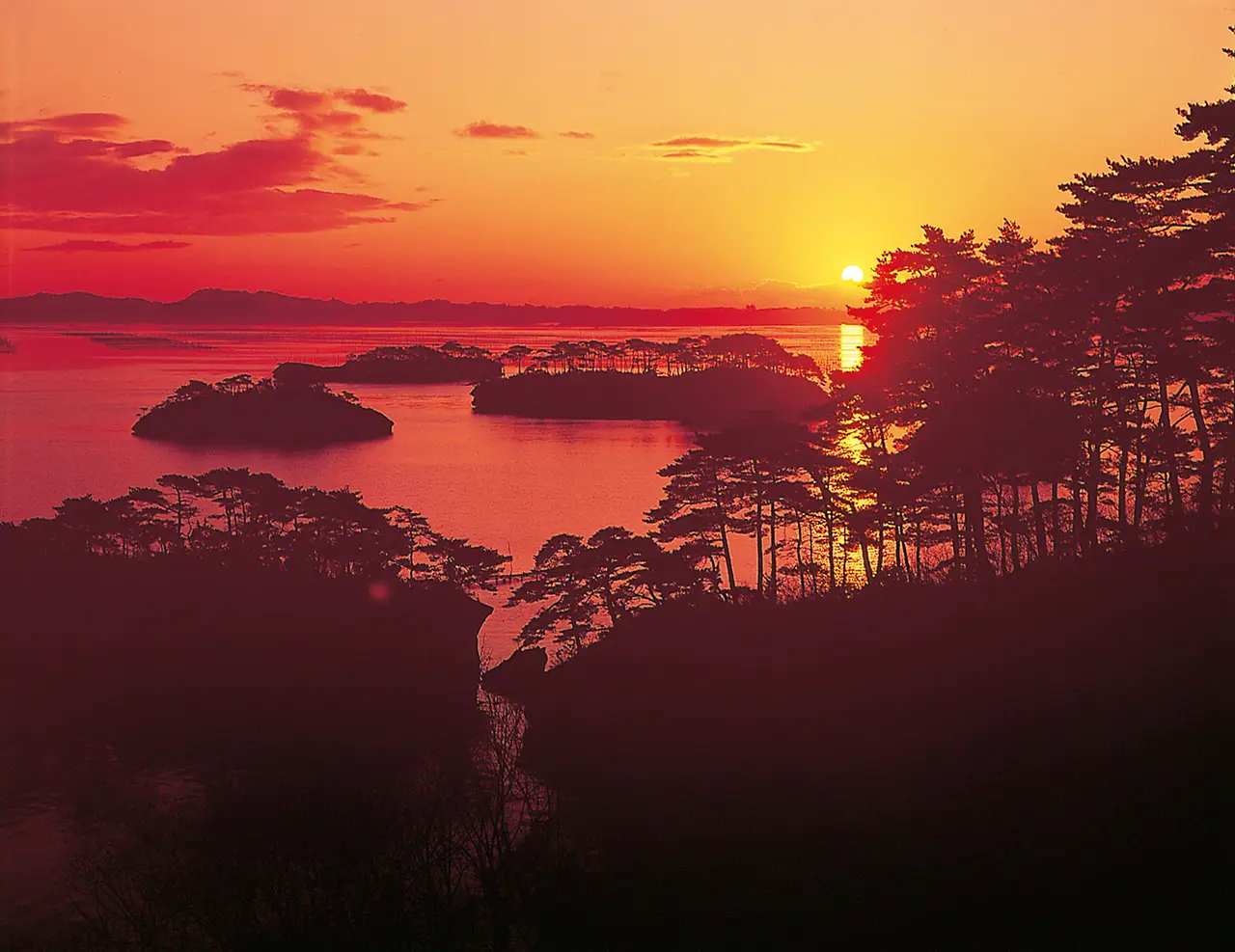
- The Scenery of Ojima
-
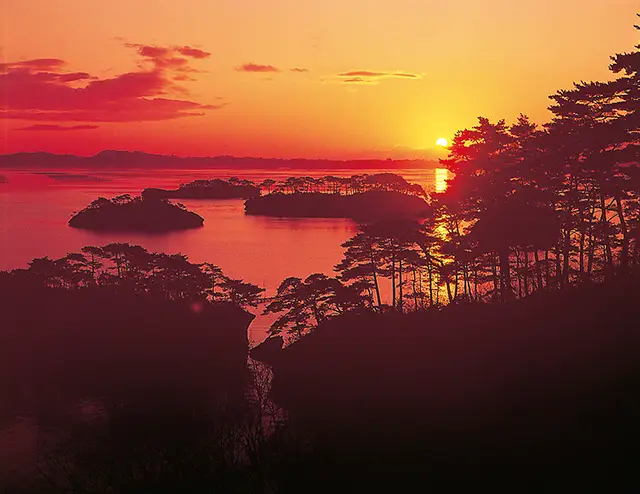
Photo: Miyagi Prefecture Tourism Promotion Office A photo of sunrise at Matsushima.
Ojima is one of the islands of Matsushima (Miyagi Prefecture), one of the Three Great Views of Japan.
See it on the map - Misebaya
-
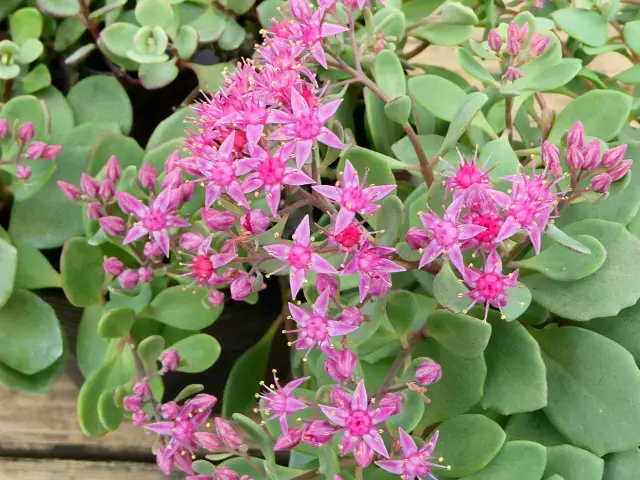
A perennial plant that has been loved in Japan since ancient times as a plant of the Man'yōshū.
Its name comes from "Whom shall I show (miseba ya) these beautiful flowers to?",
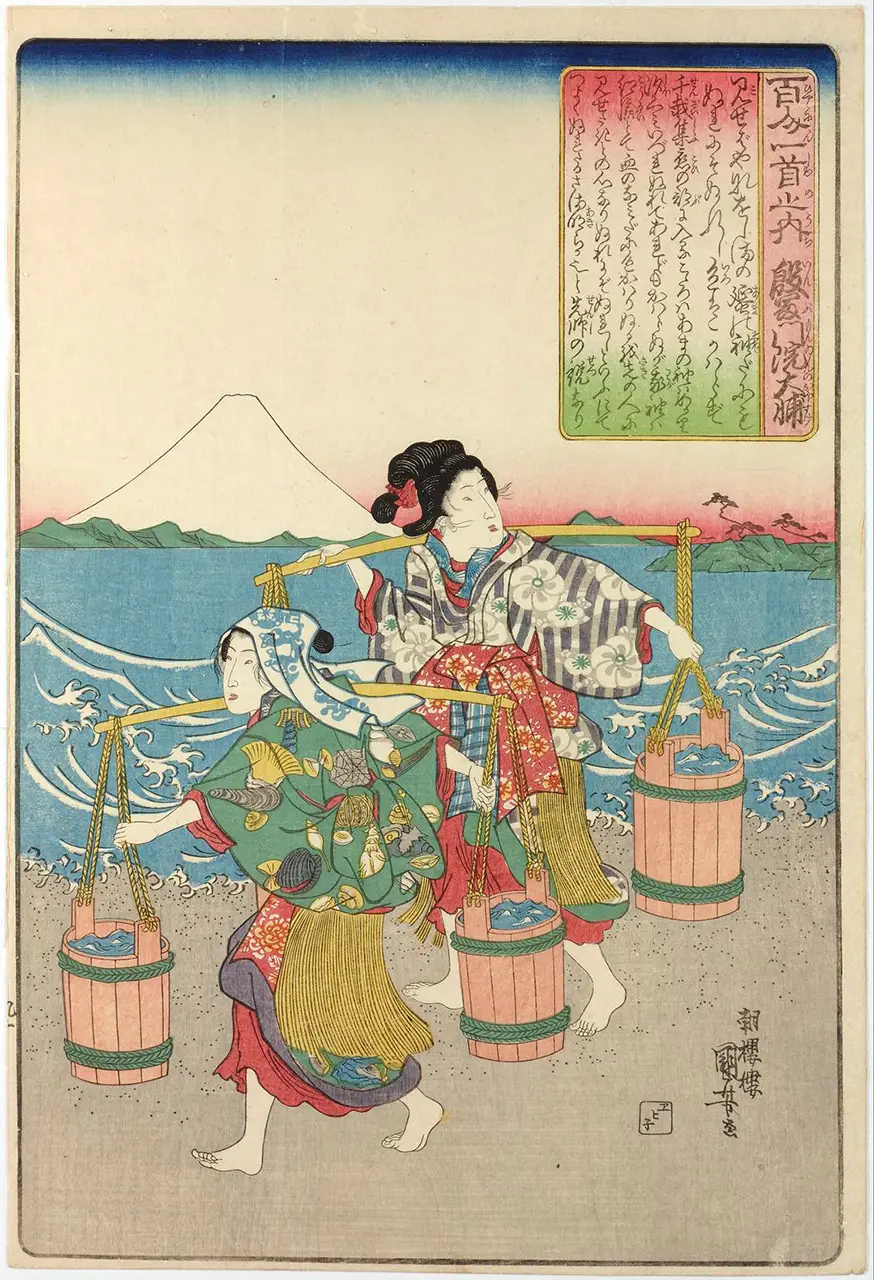
and it is also called "tama no o." - Utagawa Kuniyoshi's Hyakunin Isshu no Uchi
-
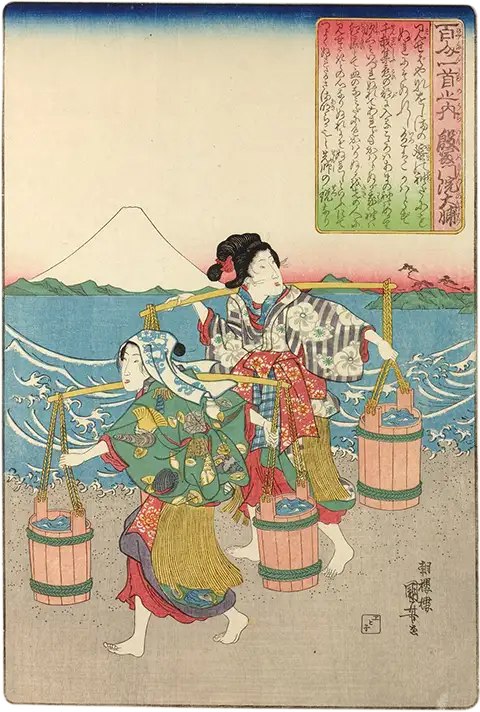
British Museum, Public domain, via Wikimedia Commons An ukiyo-e print by Utagawa Kuniyoshi, an ukiyo-e artist of the Edo period.
It shows a scene that matches the Hyakunin Isshu poem.