Front of the Card
Back of the Card
Japanese
English
Audio: NHK Creative Library
Read by LibriVox volunteer Larry Wilson.
Audio courtesy of LibriVox
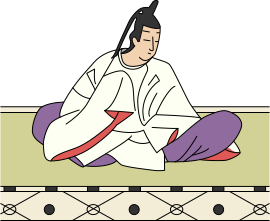
河原左大臣
陸奥の
しのぶもぢずり
誰ゆゑに
乱れそめにし
我ならなくに
みたれそめ
にしわれな
らなくに

みち


- Poem 14
- 陸奥の
しのぶもぢずり
誰ゆゑに
乱れそめにし 我ならなくに
Author: Minister of the Left of Kawara (822–895)
Source: Kokin Wakashū, Love
- English Verse Translation
- Ah! why does love distract my thoughts, Disordering my will! I'm like the pattern on the cloth
Of Michinoku hill, All in confusion still.
— William N. Porter, 1909
- Modern Translation
- For whose sake has my heart become as disordered as the tangled patterns of Shinobu-mojizuri cloth of Mutsu? It is certainly not my own doing.
- Commentary
- Unable to hold back his love, the poet compares his troubled heart to the tangled pattern of a dyed cloth.
- About the Poet
- Minamoto no Tōru was a son of Emperor Saga, but his mother's low rank made him a commoner. His bid for the throne after Yōzei stepped down was blocked by Fujiwara no Mototsune, and he left politics. At his lavish Kawara-in mansion he copied the scenery of Shiogama, bringing in seawater every month to make salt. He is said to be a model for Hikaru Genji.
- Poem Illustration
-
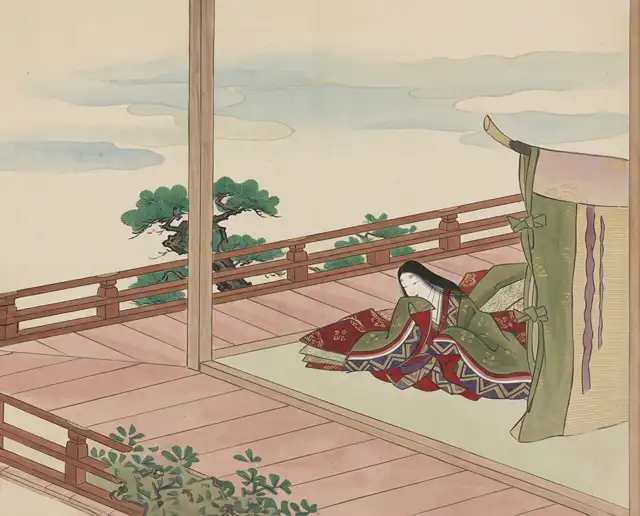
This image is based on an illustration from William N. Porter's A Hundred Verses from Old Japan, his 1909 English translation of the Hyakunin Isshu published in England, colorized and reworked using Adobe Firefly (generative AI).
- Minister of the Left of Kawara: A Short Timeline
-
- 822
- Born as a son of Emperor Saga
- 838
- Comes of age and is given the family name Minamoto
- 864
- Becomes Middle Counselor
- 872
- Becomes Minister of the Left
- 887
- Given Junior First Rank
- 895
- Dies
- Minamoto no Tōru's Family Tree
-
Minamoto no Tōru was the 12th son of Emperor Saga, but he left the imperial family to become a subject and was given the family name Minamoto. According to the historical tale Ōkagami, when Emperor Yōzei gave up the throne, a meeting was held at court to decide who the next emperor should be. There, Tōru, then the 62-year-old Minister of the Left, said, "Why not? If you are looking for someone of close imperial blood, there is me, Tōru," claiming that he too could be a candidate. But the regent, Fujiwara no Mototsune, rejected his claim, saying that no one who had left the imperial family to become a Minamoto had ever become emperor, and he put Emperor Kōkō on the throne.
Yet later, when Emperor Kōkō died, all of his children had already left the imperial family to become subjects. Even so, Mototsune made Kōkō's seventh son emperor, as Emperor Uda.
- Appendix
-
- The Mojizuri Stone
-
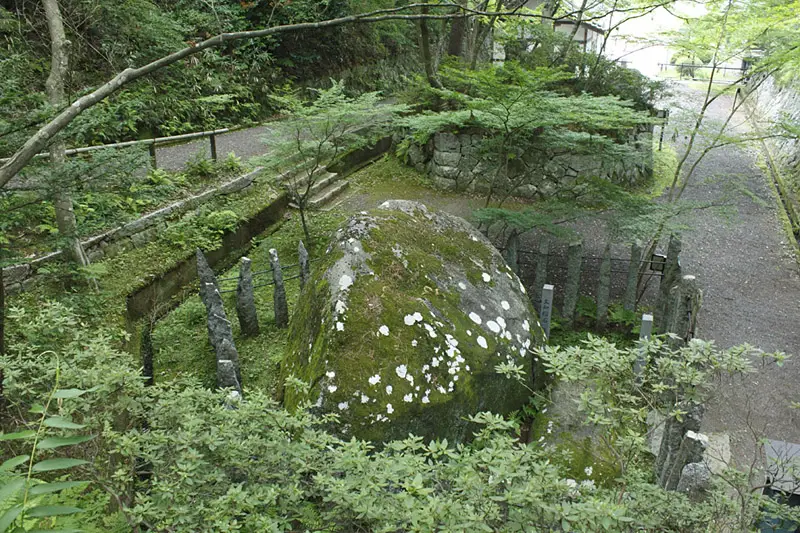
Photo: Fukushima Prefectural Tourism and Products Exchange Association "Shinobu-mojizuri" is written 信夫文知摺 in kanji. "Shinobu" is the Shinobu area of Fukushima Prefecture, and "mojizuri" is a way of dyeing cloth by rubbing plants against it on a stone so that their color moves onto the cloth. This kind of dyeing was popular in the Shinobu area from the Heian period to the Kamakura period. At Fumon-in, a Sōtō Zen temple in Fukushima City, there is a huge rock about 3 m wide and 2.5 m high called the "Mojizuri Stone." It is said to have been really used for dyeing. The photo shows this stone. See it on the map
- Nejibana (Mojizuri)
-
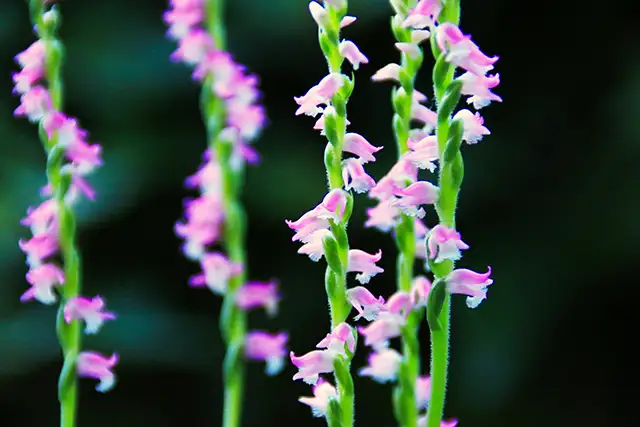
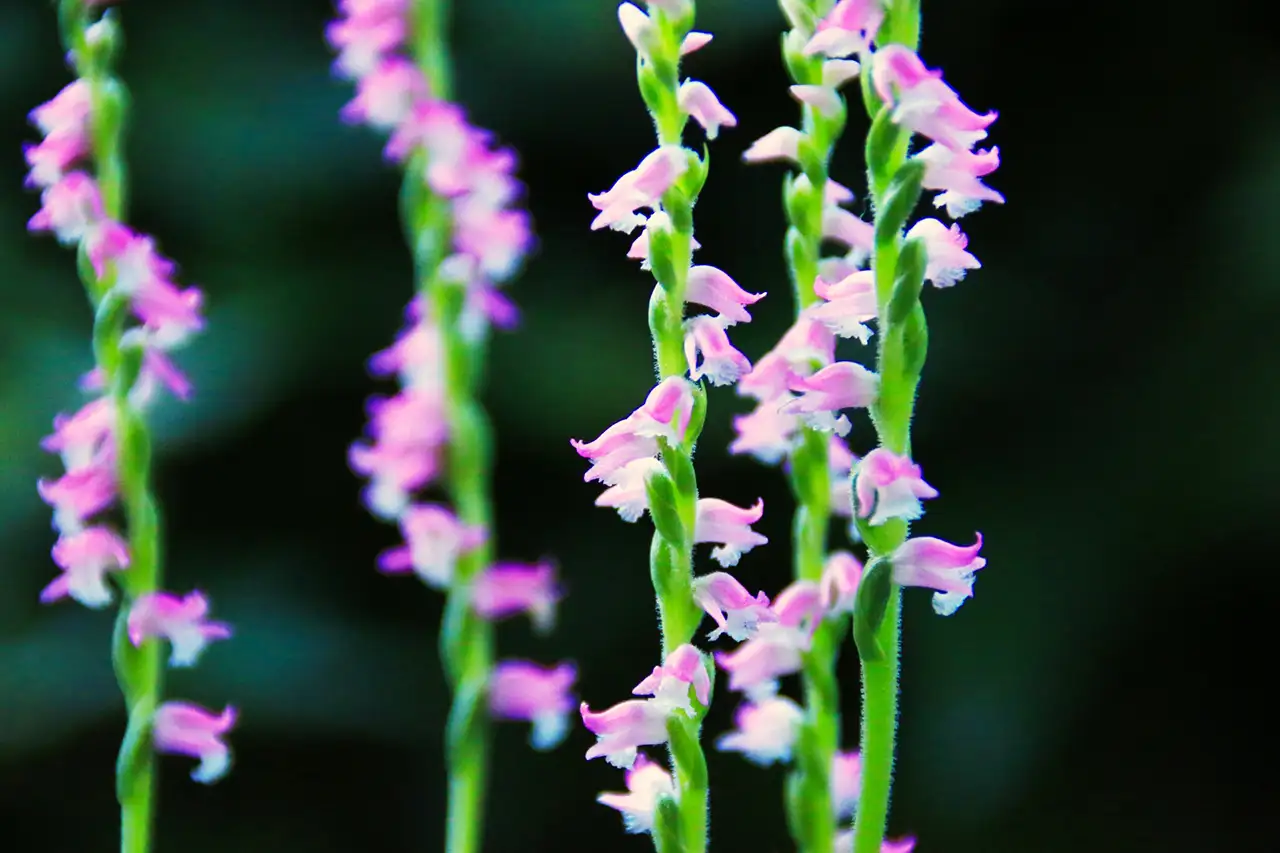
Nejibana is a plant of the orchid family, also called "Mojizuri." The name is said to come from the way its flowers grow in a spiral, which looks like the tangled pattern of Shinobu-mojizuri cloth. It is found all over Japan and grows wild on sunny flat land. Its stem is about 10–40 cm tall, and it blooms from May to September, depending on the area.
- A Poem About Shinobu-zuri Cloth
in The Tales of Ise - In the first episode of The Tales of Ise, "Coming of Age," the hero goes hawking wearing a kariginu (a hunting robe) dyed in the 信夫摺 (shinobu-zuri) style. Struck by the beauty of two sisters he sees there, he cuts off the hem of his robe on the spot, writes the next poem on it, and gives it to them. The tale says this poem was written in the spirit of the Minister of the Left of Kawara's poem.
In Japanese
春日野の 若紫の すりごろも
しのぶの乱れ 限り知られず kasuganono wakamurasakino surigoromo
shinobunomidare kagirishirarezu The Tales of IseIn English
Like this shinobu-zuri robe dyed with young purple grass from Kasuga Field,
my heart of love is tangled without end. - A Poem Praising the Garden of Kawara-in
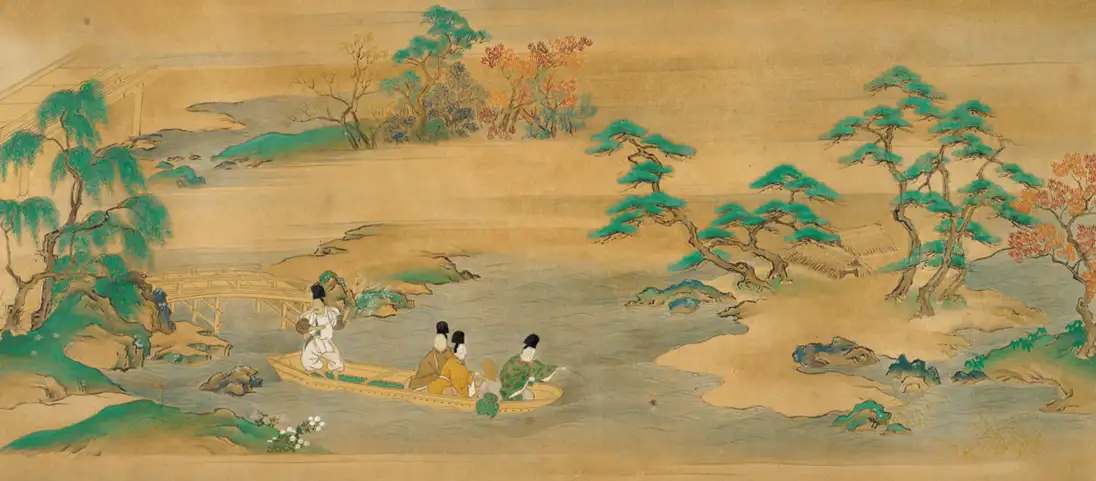
in The Tales of Ise - In episode 81 of The Tales of Ise, "Shiogama," Minamoto no Tōru invited imperial princes to a banquet at Kawara-in. Everyone wrote poems praising the mansion, but one old man wrote a poem praising the garden, which was made to look like Shiogama.
In Japanese
塩竃に いつかは来にけむ 朝凪に
釣りする舟は ここに寄らなむ shiogamani itsukahakinikemu asanagini
tsurisurufuneha kokoniyoranamu The Tales of IseIn English
When did I come to Shiogama? I wish the boats fishing in the calm of the morning would come over here.
- The Tales of Ise Picture Scroll
-
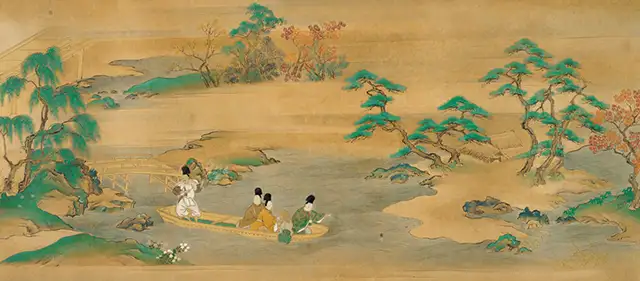
Courtesy of Tokyo National Museum. Excerpt from The Tales of Ise Picture Scroll, Scroll 5 An excerpt from Scroll 5 of The Tales of Ise Picture Scroll.
It shows the garden of Kawara-in, made to look like Shiogama. - Utagawa Kuniyoshi's Hyakunin Isshu no Uchi
-
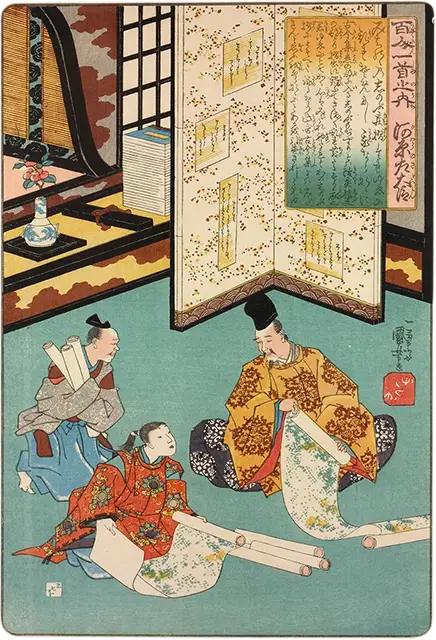
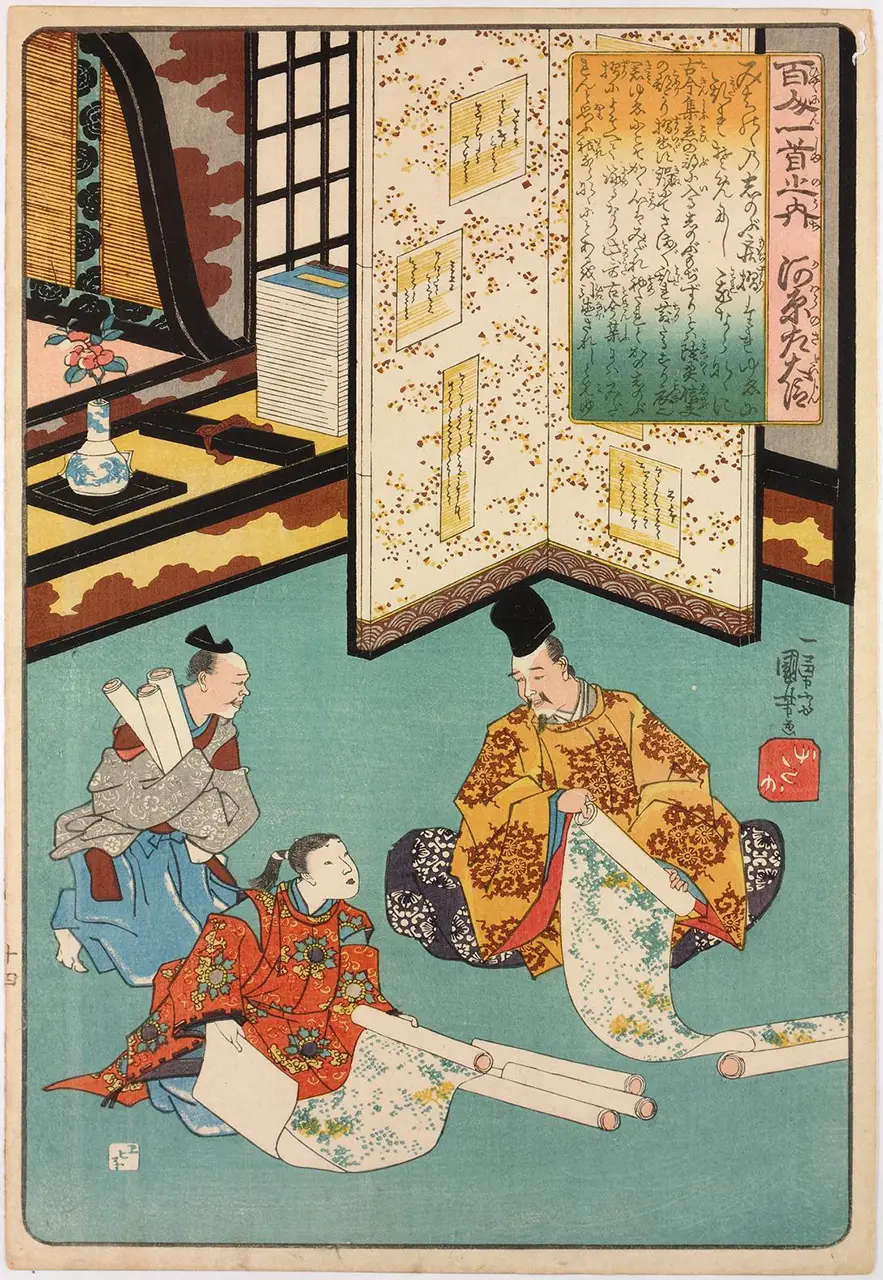
British Museum, Public domain, via Wikimedia Commons This ukiyo-e is by Utagawa Kuniyoshi, an artist of the Edo period.
It shows a scene that matches the poem in the Hyakunin Isshu.A nobleman and his servants spread out a beautiful cloth with a tangled pattern like 信夫文知摺 (shinobu-mojizuri), a specialty of Mutsu, and seem to look at it with great interest.
- Kawara-in, a Copy of Shiogama
Still Remembered in Place Names -
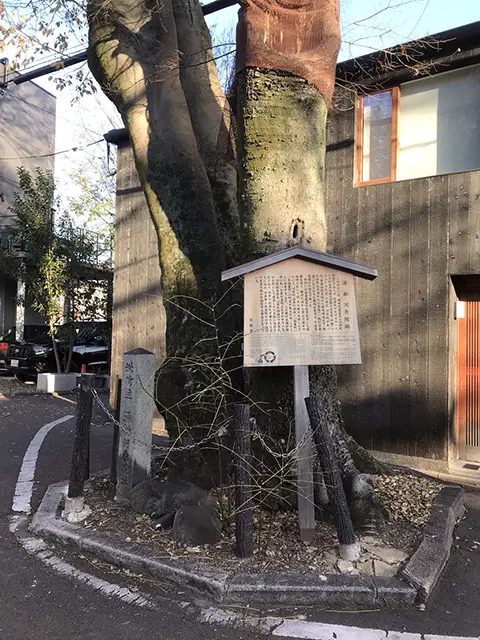
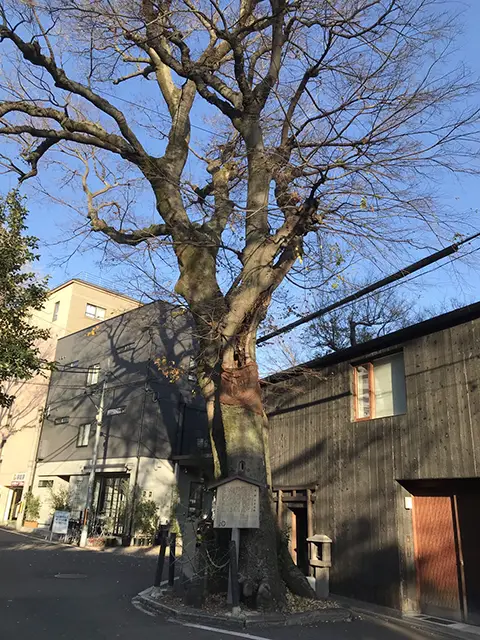
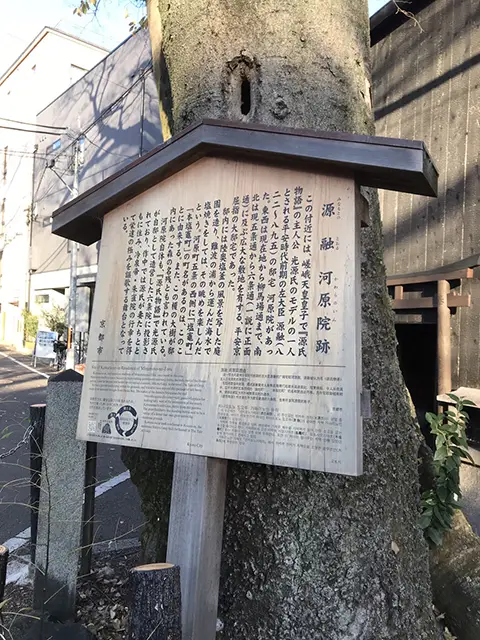
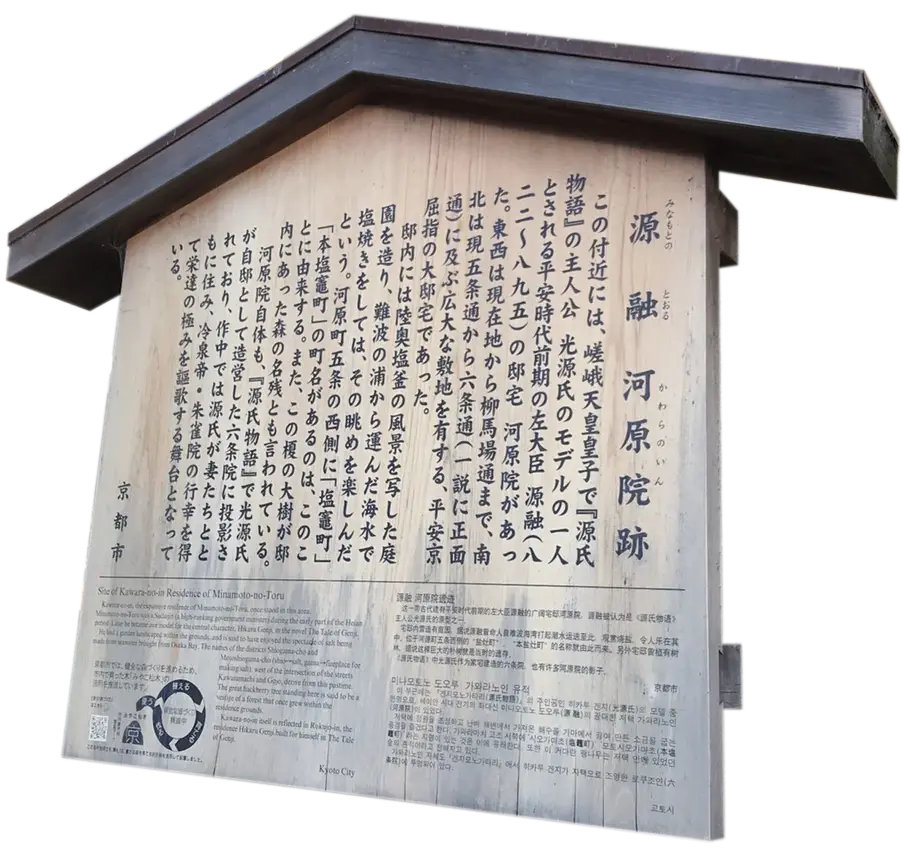
Kawara-in, the grand mansion Minamoto no Tōru built, had a garden made to copy the scenery of Shiogama in Mutsu, and it is said he had seawater brought in to enjoy making salt. Kawara-in burned down at the end of the Heian period, but its site remains today, and you can still imagine those days there. Near the site, the town names Shiogama-chō and Moto-Shiogama-chō also remain.