Front of the Card
Back of the Card
Japanese
English
Audio: NHK Creative Library
Read by LibriVox volunteer Larry Wilson.
Audio courtesy of LibriVox
小式部内侍
大江山
いく野の道の
遠ければ
まだふみもみず
天の橋立
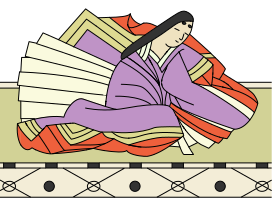
またふみも
みすあまの
はしたて

おおえ


- Poem 60
- 大江山
いく野の道の
遠ければ
まだふみもみず 天の橋立
Author: Koshikibu no Naishi (d. 1025)
Source: Kin'yō Wakashū, Miscellaneous
- English Verse Translation
- So long and dreary is the road, That I have never been To Ama-no-Hashidate; Pray, how could I
have seen The verses that you mean?
— William N. Porter, 1909
- Modern Translation
- The road to Oe Mountain and Ikuno is so long and far — I have not yet set foot on it, nor received a letter from my mother.
- Commentary
- At a poetry contest, Fujiwara no Sadayori teased Koshikibu by asking if her mother, Izumi Shikibu, had written her poem for her. She answered on the spot with this witty poem, and he left without a reply. Ōeyama, Ikuno, and Ama-no-Hashidate are places on the road to Tango, where her mother then lived.
- About the Poet
- Koshikibu no Naishi was named "Koshikibu" (little Shikibu) after her mother, Izumi Shikibu. Like her mother, she served Empress Akiko, but she died young in her twenties after giving birth. The Izumi Shikibu Shū includes poems her mother wrote grieving for her.
- Poem Illustration
-
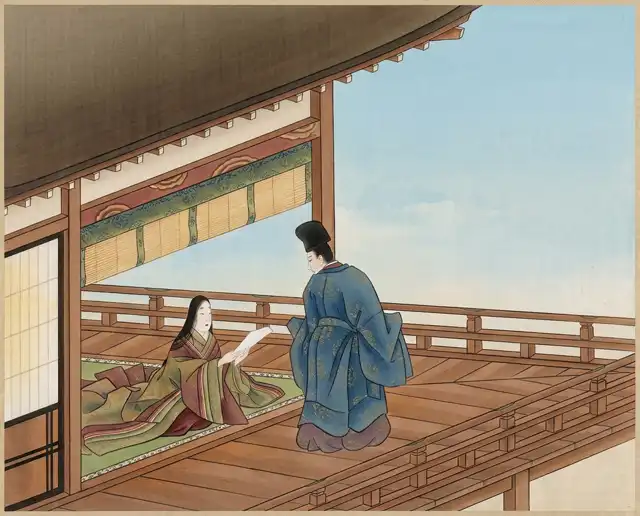
This image is based on an illustration from William N. Porter's A Hundred Verses from Old Japan, his 1909 English translation of the Hyakunin Isshu published in England, colorized and reworked using Adobe Firefly (generative AI).
- Koshikibu no Naishi: A Short Timeline
-
- c. 1009
- Serves Empress Akiko together with her mother, Izumi Shikibu
- 1016
- Gives birth to a son (Jōen) by Fujiwara no Norimichi
- 1025
- Dies after giving birth
- Koshikibu no Naishi's Family Tree
-
Koshikibu no Naishi was the daughter of Izumi Shikibu, and mother and daughter both served Akiko, the empress of Emperor Ichijō.
With Norimichi (Fujiwara no Michinaga's fifth son) she had a son, the high priest Jōen, and with Norinaga she had a daughter. She died at about 28, when giving birth to Ajari Rainin, her son by Fujiwara no Kiminari.
- Family Tree of the Ōe Clan
-
- Appendix
-
- Where Ōeyama, Ikuno, and Ama-no-Hashidate Are
-
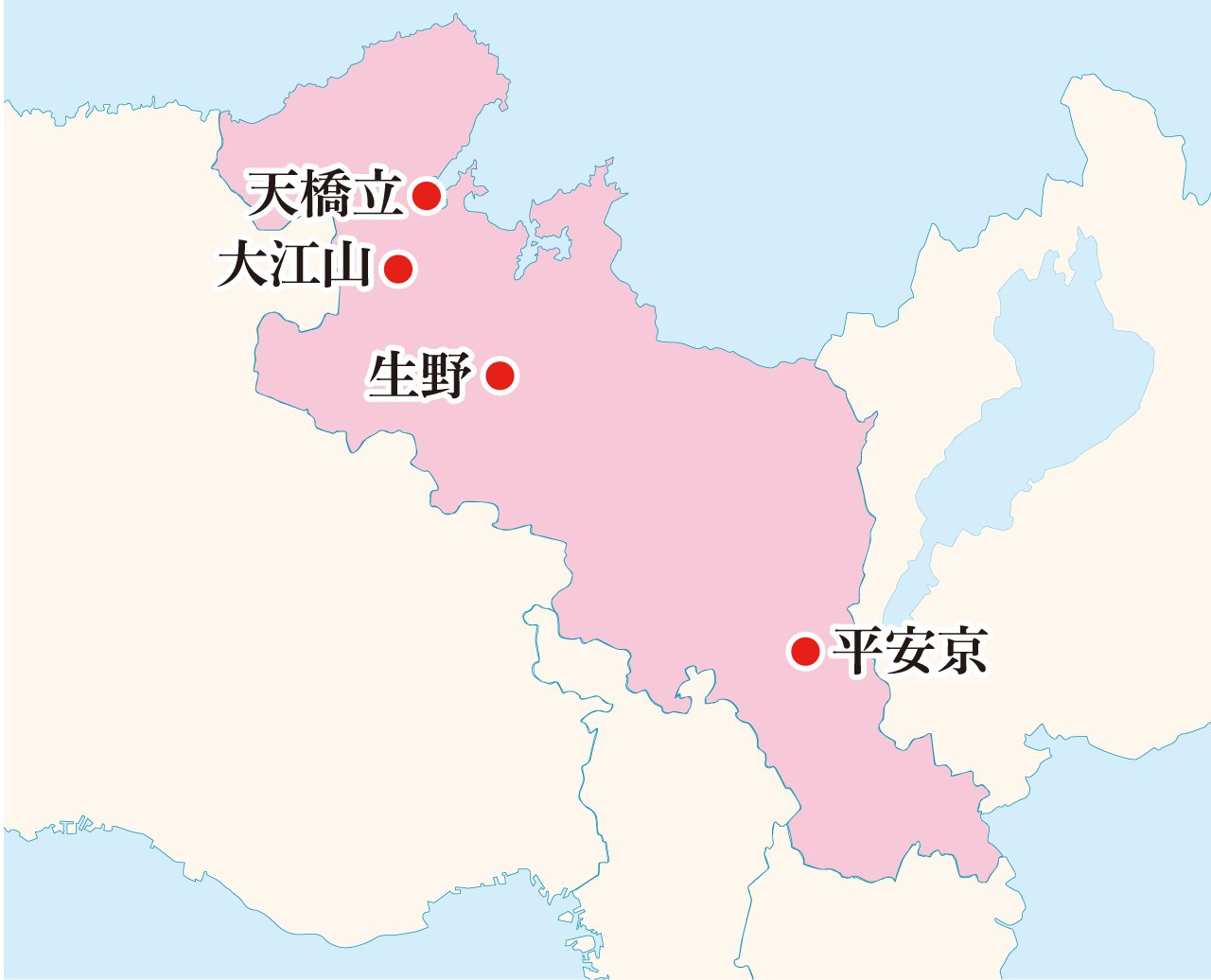
A map showing the places named in the poem.
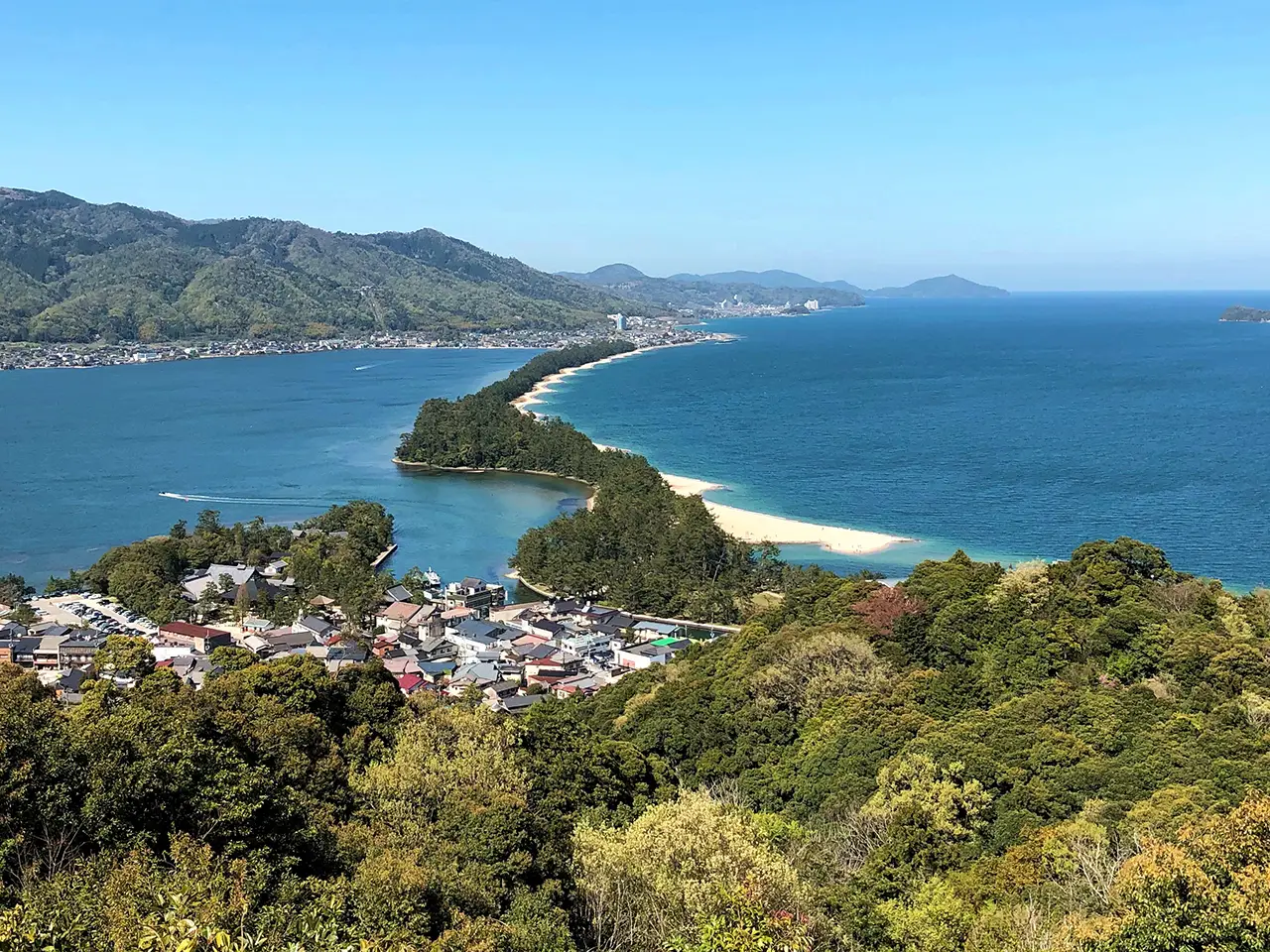
Ama-no-Hashidate is on Miyazu Bay, on the Sea of Japan in northern Kyoto Prefecture. When the poem was written, Koshikibu no Naishi's mother, Izumi Shikibu, was staying in Tango Province with her husband, Fujiwara no Yasumasa, who was Governor of Tango.
The "Ōeyama" and "the road through Ikuno" in the poem are in Fukuchiyama City, Kyoto Prefecture.
- Ōeyama
-
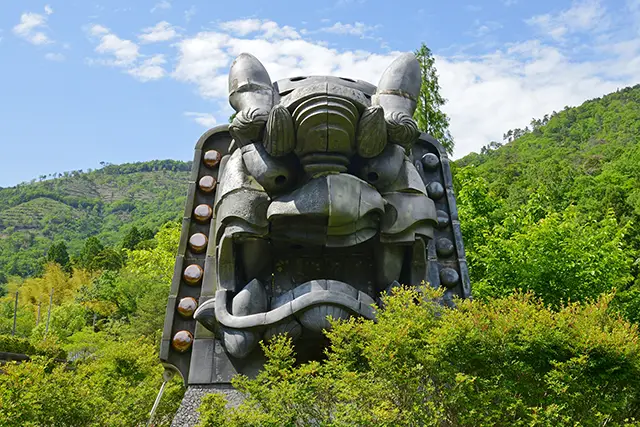
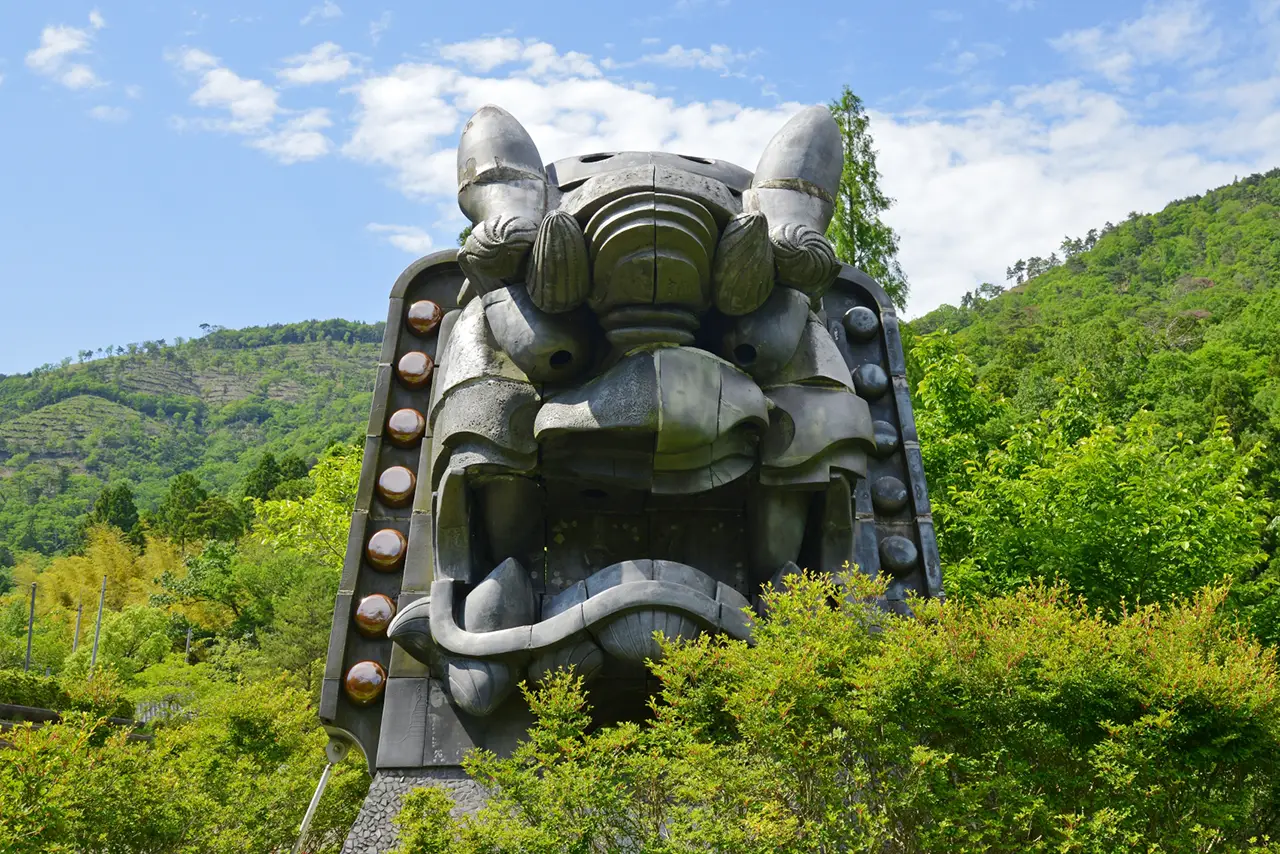
A range of mountains, 832 m high, at the base of the Tango Peninsula in Kyoto Prefecture. There is a legend that ogres (oni) lived here.
See it on the map - Hosono Pass, the "Road Through Ikuno"
-
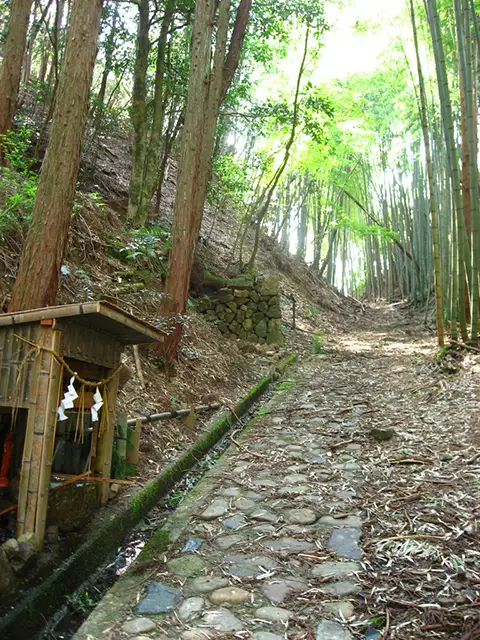
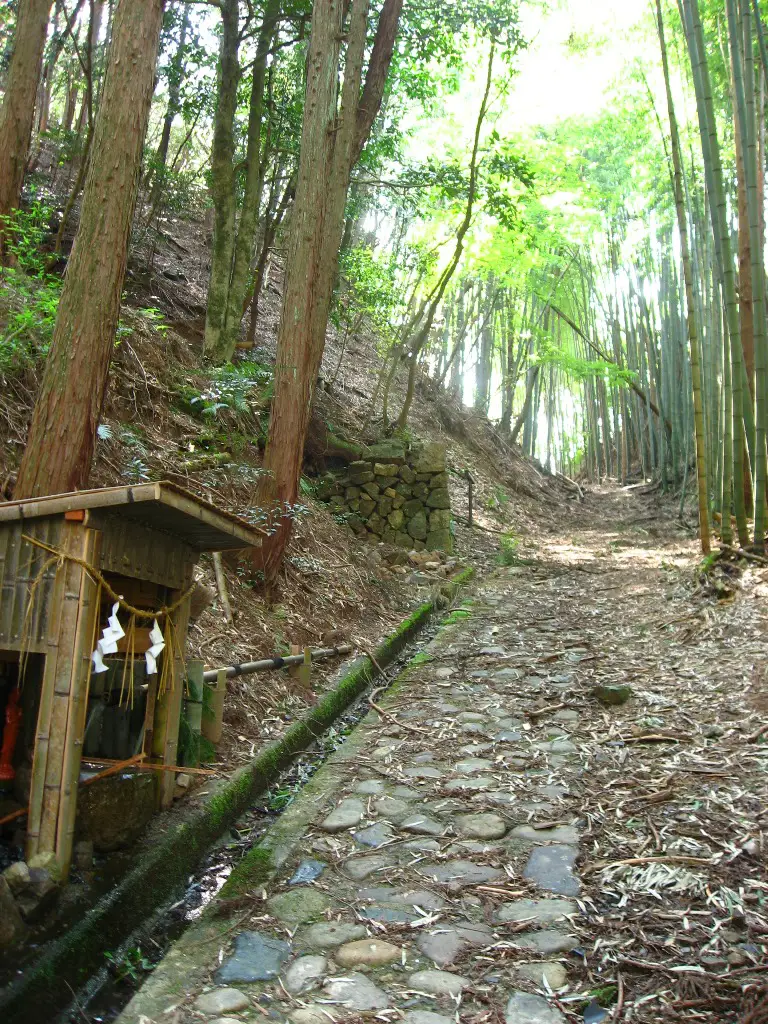
Photo: Fukuchiyama City Hosono Pass is a pass about 2 km long in Miwa-chō, Fukuchiyama City, Kyoto Prefecture. The "road through Ikuno" in the poem seems to refer to this area. In 1996 it was chosen as one of the "100 Historic Roads of Japan."
The stone paving seen here and there is charming and keeps the feel of the old days.
See it on the map - Ama-no-Hashidate
-
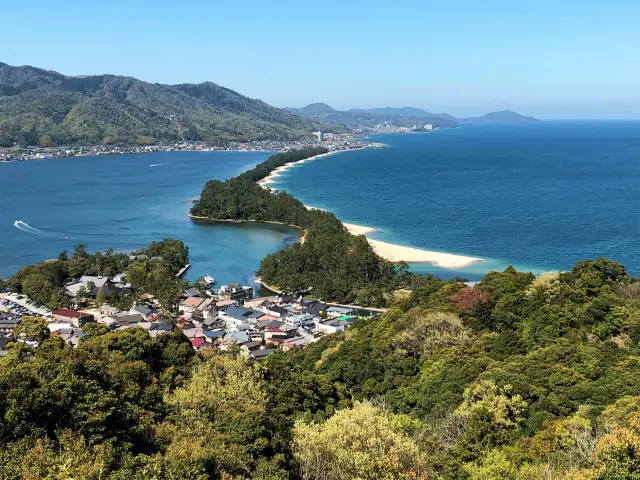
A scenic spot in Miyazu City, Kyoto Prefecture, and one of the Three Views of Japan.
See it on the map - Izumi Shikibu's Poem for Koshikibu no Naishi
- Her mother, Izumi Shikibu, left poems mourning her daughter, Koshikibu no Naishi, who died young. Koshikibu no Naishi died in her twenties, and her mother's deep sorrow at this early death is put into poems of mourning (aishōka).
In Japanese
とどめおきて 誰をあはれと 思ふらむ
子はまさるなり 子はまさりけり todomeokite tareoahareto omofuramu
kohamasarunari kohamasarikeri Izumi Shikibu-shūIn English
Leaving her child and her mother behind in this world, whom is she thinking of now? Surely her love for her child is stronger, for I, too, am thinking of my child.
- Ukiyo-e by Suzuki Harunobu
-
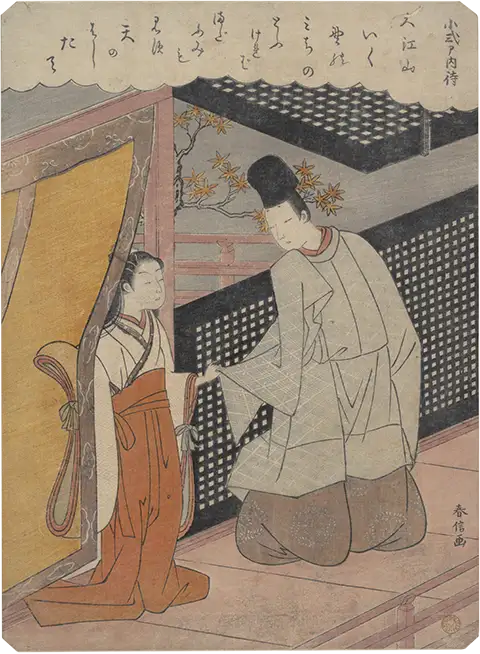
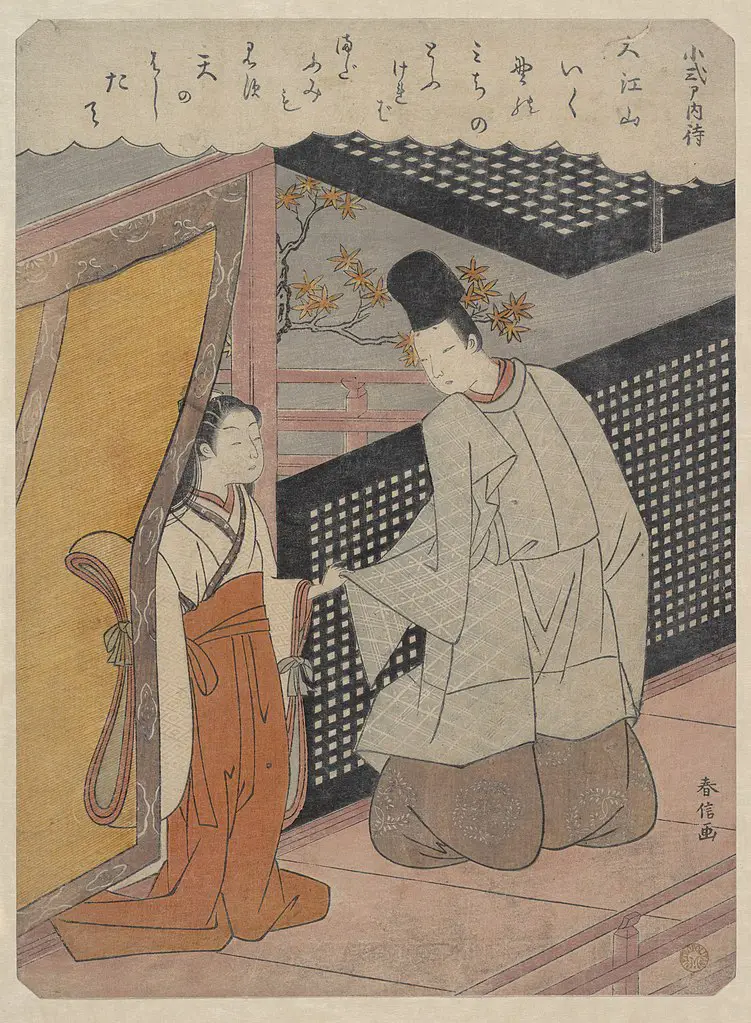
Suzuki Harunobu, CC0, via Wikimedia Commons A print by Suzuki Harunobu, an ukiyo-e artist of the Edo period. It shows Middle Counselor Sadayori with his sleeve caught by Koshikibu no Naishi. Her poem, composed on the spot, was so brilliant that Sadayori looks embarrassed.
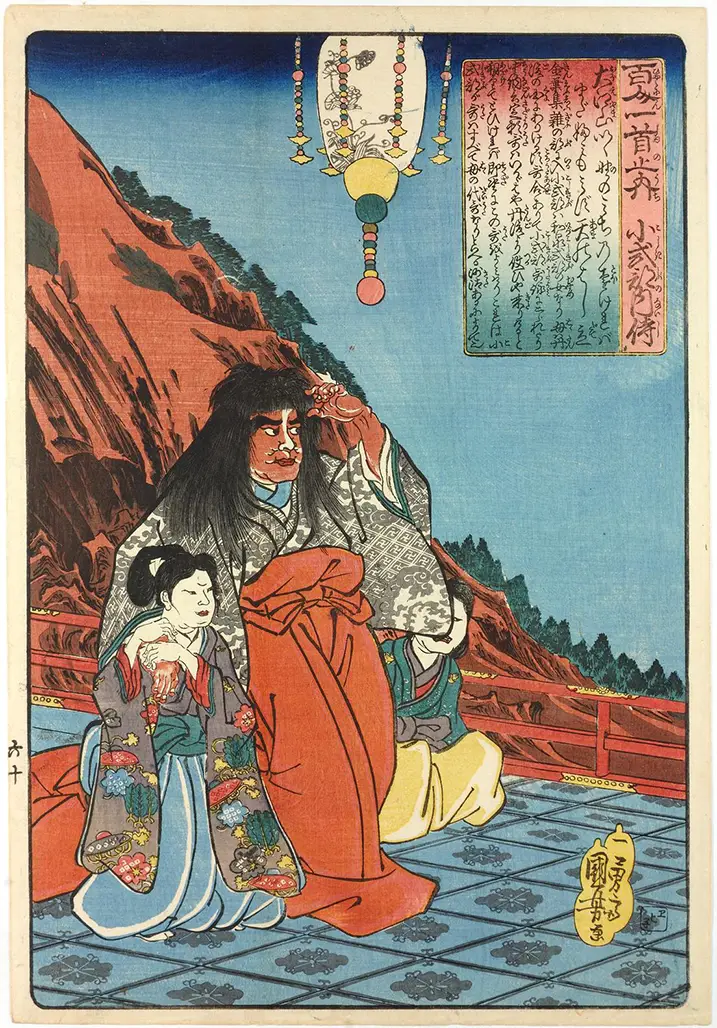
- Utagawa Kuniyoshi's Hyakunin Isshu no Uchi
-
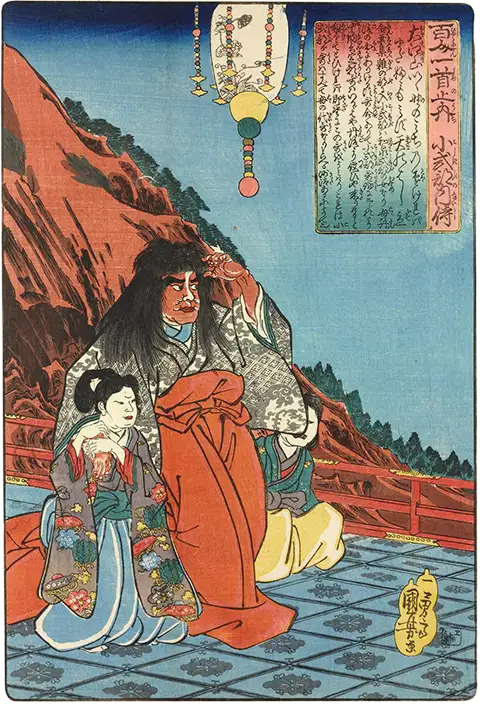
British Museum, Public domain, via Wikimedia Commons This ukiyo-e print is by Utagawa Kuniyoshi, an artist of the Edo period. It shows a scene connected with the Hyakunin Isshu poem; because an ogre appears, we can tell that Kuniyoshi took "Ōeyama," at the base of the Tango Peninsula, as his subject.