The Thirty-Six Immortal Poets: Portraits and Poems
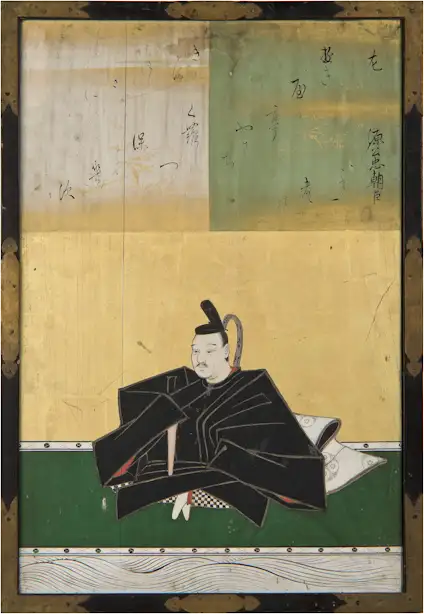
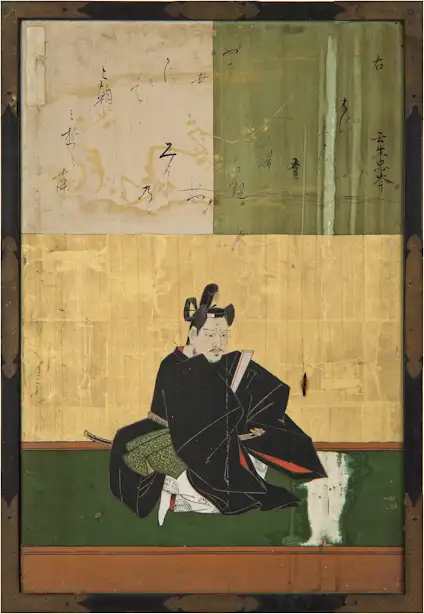
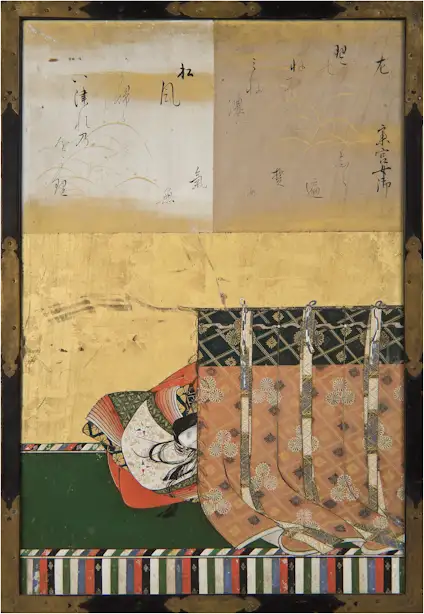
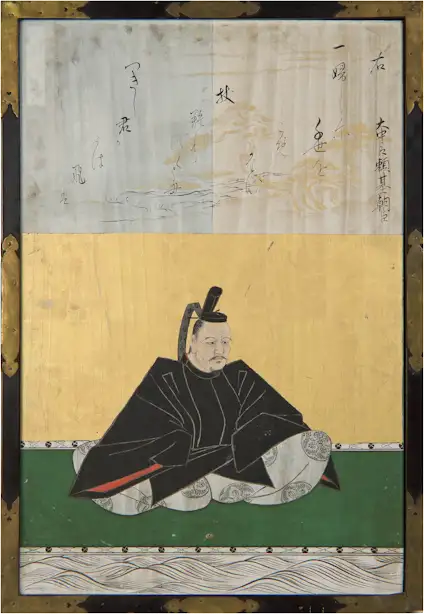
The Sanjūrokunin-sen (Selection of Thirty-Six Poets), a collection of fine poems compiled by Fujiwara no Kintō, sets its poets out in pairs (tsugai), one on the left and one on the right, in the form of a poetry contest. These poets became known as the Thirty-Six Immortal Poets (Sanjūrokkasen).
Many of them were also chosen for the Ogura Hyakunin Isshu, so they matter a great deal when we think about how the Hyakunin Isshu poets were selected.
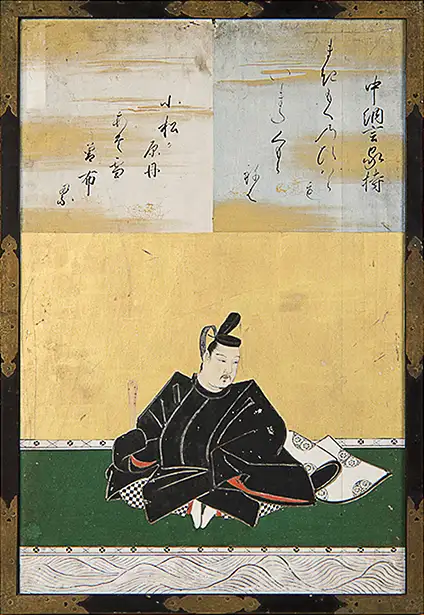
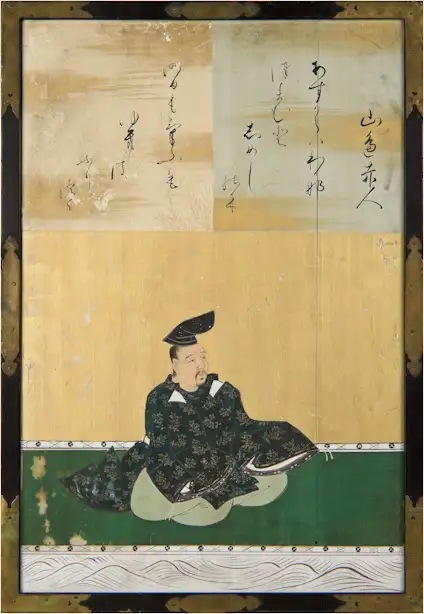
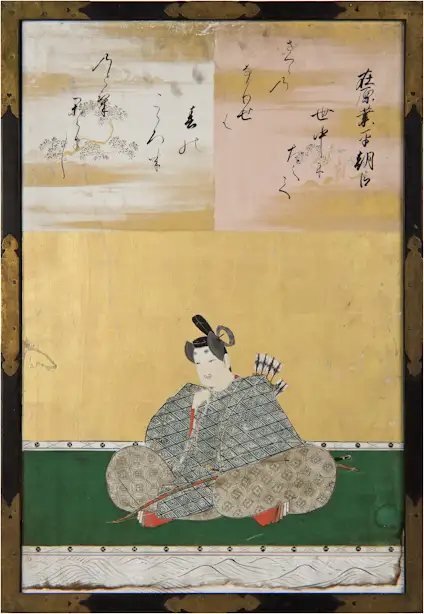
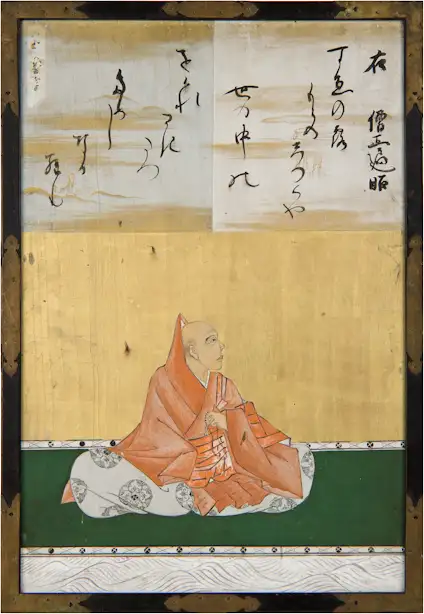
On this page the thirty-six poets appear in the order of the pairs in the Sanjūrokunin-sen, each with a portrait (kasen-e), the poem written on it in Japanese, romaji, and English, and a short biography.
🔍 Filter by poet, part of a poem, or the English translation.
Pair 1
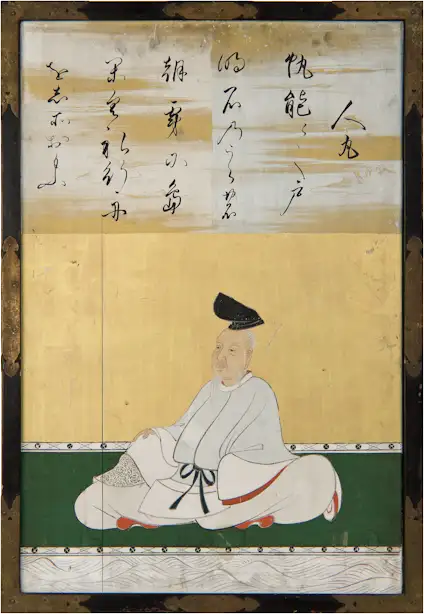
LeftKakinomoto no Hitomaro
柿本人麻呂
(Unknown–c. 708)
A court poet of the Asuka period who served in the reigns of Empress Jitō and Emperor Monmu. As the leading poet of the Man'yōshū, he left fine chōka (long poems) and tanka. Later generations honored him, together with Yamabe no Akahito, as a "saint of poetry" (kasei).
In Japaneseほのぼのと あかしの浦の 朝霧に 島がくれゆく 舟をしぞ思ふhonobonoto akashinourano asagirini shimagakureyuku funeoshizoomofuIn EnglishThrough the morning mist over the bay of Akashi, as the day dimly breaks, a boat sails on, hiding behind the islands — how deeply it moves me.
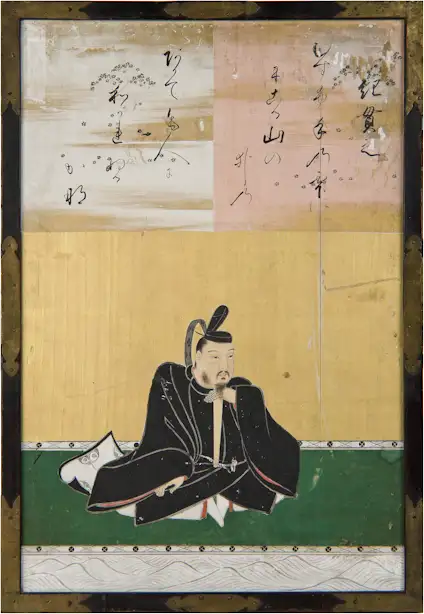
RightKi no Tsurayuki
紀貫之
(c. 868–945)
The leading compiler of the Kokin Wakashū, who wrote its kana preface (Kanajo). He is also known as the author of the Tosa Diary.
In Japaneseむすぶ手の しづくに濁る 山の井の あかでも人に 別れぬるかなmusubuteno shizukuninigoru yamanoino akademohitoni wakarenurukanaIn EnglishDrops falling from my cupped hands cloud the mountain spring, so I cannot drink my fill. In the same way, we parted before I could share my heart with you fully.
Pair 2
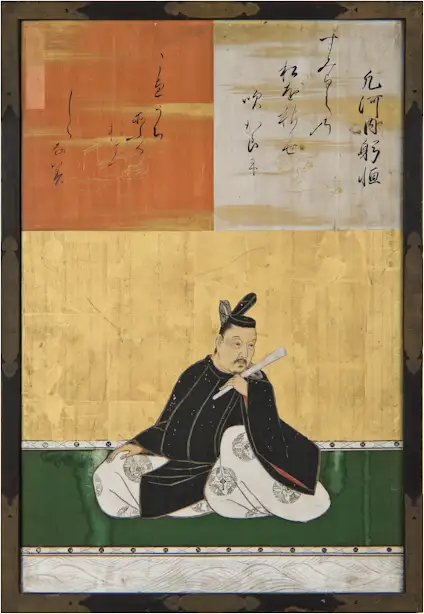
LeftŌshikōchi no Mitsune
凡河内躬恒
(c. 859–c. 925)
One of the compilers of the Kokin Wakashū. Though his court rank was low, he was a poet on a par with Ki no Tsurayuki and was active at court poetry contests and in writing poems for folding screens (byōbu-uta).
In Japanese住の江の 松を秋風 吹くからに 声うちそふる 沖つ白波suminoeno matsuoakikaze fukukarani koeuchisofuru okitsushiranamiIn EnglishWhen the autumn wind blows through the pines of Suminoe, the white waves offshore roll in, as if adding their voices to the wind in the pines.
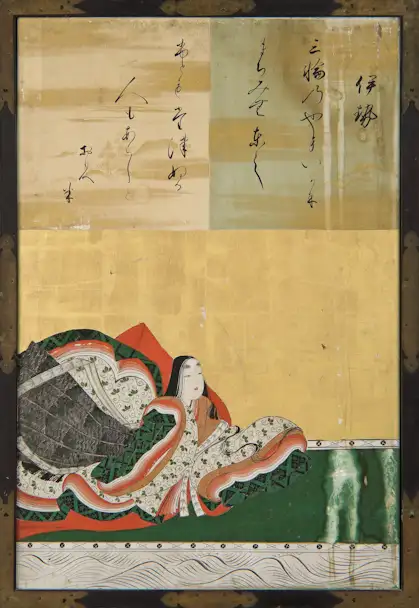
RightIse
伊勢
(c. 872–c. 938)
A lady-in-waiting to Onshi, empress of Emperor Uda. She bore the emperor a son and was called Ise no Miyasudokoro. Her 22 poems in the Kokin Wakashū are the most by any woman poet in it. Her daughter Nakatsukasa is also one of the Thirty-Six Immortal Poets.
In Japanese三輪の山 いかに待ち見む 年経とも たづぬる人も あらじと思へばmiwanoyama ikanimachimimu toshifutomo tazunuruhitomo arajitoomohebaIn EnglishHow am I to wait for you at Miwa? Even as the years go by, I think no one will come to call.
Pair 3
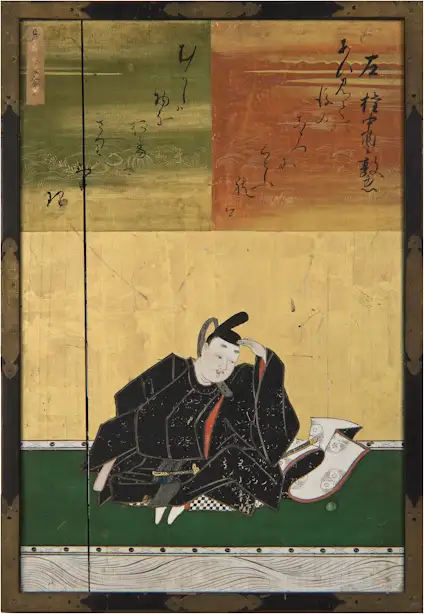
LeftŌtomo no Yakamochi
大伴家持
(c. 718–785)
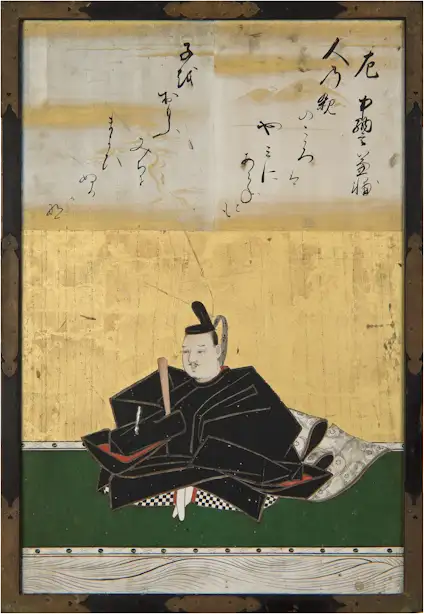
Son of Ōtomo no Tabito, he is thought to have played a major part in compiling the Man'yōshū. More of his poems are in the Man'yōshū than any other poet's.
In Japanese巻向の 檜原もいまだ 曇らねば 小松が原に 泡雪ぞ降るmakimukuno hibaramoimada kumoraneba komatsugaharani awayukizofuruIn EnglishThe cypress forest on Mount Makimuku is not yet clouded, yet on the plain of young pines at its foot light, foamy snow is already falling.
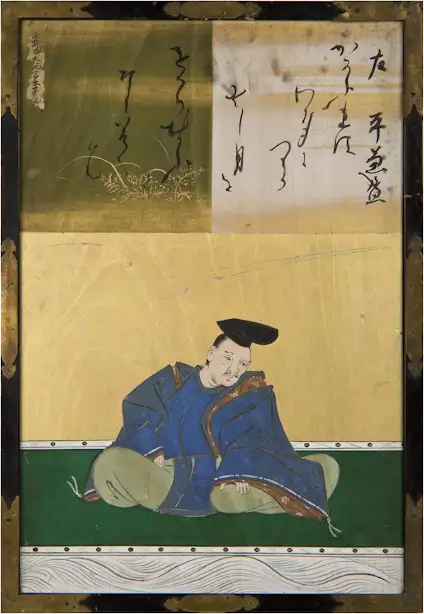
RightYamabe no Akahito
山部赤人
(Dates unknown)
A court poet of the Nara period. He excelled at poems that describe scenes of nature in a clear, pure style, and later generations honored him, together with Kakinomoto no Hitomaro, as a "saint of poetry."
In Japanese明日からは 若菜摘まむと 標めし野に 昨日も今日も 雪は降りつつasukaraha wakanatsumamuto shimeshinoni kinoumokyoumo yukihafuritsutsuIn EnglishI marked off a field to pick young spring greens from tomorrow, but yesterday and today too, the snow keeps falling.
Pair 4
LeftAriwara no Narihira
在原業平
(825–880)
Grandson of Emperor Heizei and one of the Six Immortal Poets (Rokkasen). Known for his passionate love poems, he is said to be the model for the "man of old" (mukashi otoko), the hero of The Tales of Ise.
In Japanese世の中に たえて桜の なかりせば 春の心は のどけからましyononakani taetesakurano nakariseba harunokokoroha nodokekaramashiIn EnglishIf there were no cherry blossoms at all in this world, how calm our hearts would be in spring.
RightHigh Priest Henjō
僧正遍昭
(816–890)
His name before becoming a monk was Yoshimine no Munesada. He served Emperor Ninmyō and became a monk when the emperor died. One of the Six Immortal Poets, and the father of Sosei.
In Japanese末の露 もとの雫や 世の中の 後れ先立つ ためしなるらむsuenotsuyu motonoshizukuya yononakano okuresakidatsu tameshinaruramuIn EnglishDew on the tips of the leaves, drops at the roots — is this an example of how, in this fleeting world, some leave first and others are left behind?
Pair 5
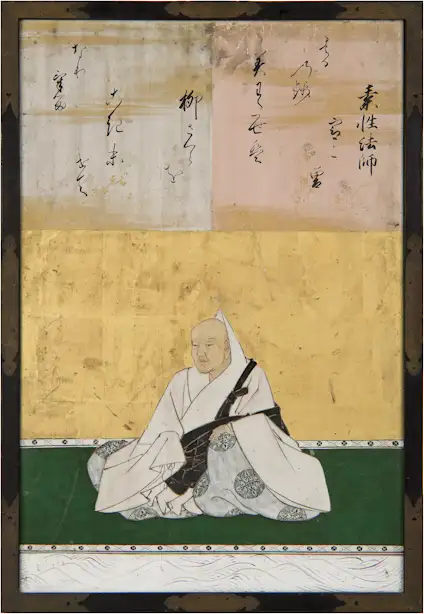
LeftPriest Sosei
素性法師
(Dates unknown)
Son of Henjō. At his father's urging he became a monk while young. Many of his poems were chosen for the Kokin Wakashū, and he is a leading poet-monk of the reigns of Emperors Uda and Daigo.
In Japanese見渡せば 柳桜を こきまぜて 都ぞ春の 錦なりけるmiwataseba yanagisakurao kokimazete miyakozoharuno nishikinarikeruIn EnglishAs I look out, willows and cherry blossoms are woven together — the capital itself is spring's brocade.
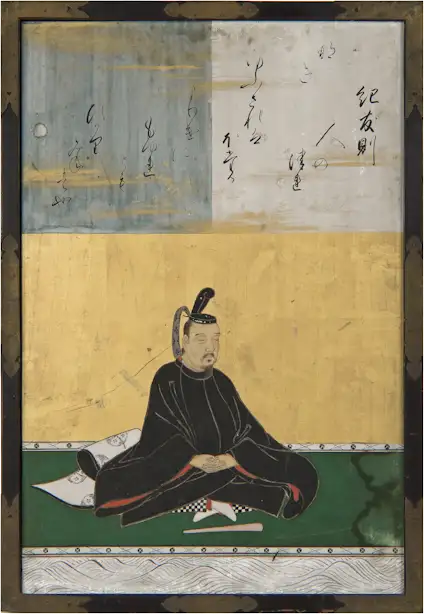
RightKi no Tomonori
紀友則
(c. 845–907)
A cousin of Ki no Tsurayuki. He was appointed one of the compilers of the Kokin Wakashū but died before it was finished.
In Japanese夕されば 佐保の川原の 川霧に 友まどはせる 千鳥鳴くなりyuusareba sahonokawarano kawagirini tomomadohaseru chidorinakunariIn EnglishAs evening falls, river mist rises over the banks of the Saho River, and a plover that has lost its companions cries out.
Pair 6
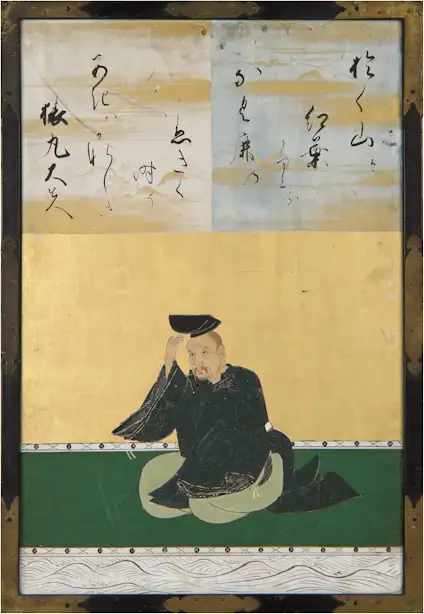
LeftSarumaru Dayū
猿丸大夫
(Dates unknown)
A legendary poet whose life is completely unknown. Some even doubt that he existed, and legends about him are told in many places.
In Japanese奥山に 紅葉踏み分け 鳴く鹿の 声聞く時ぞ 秋は悲しきokuyamani momijifumiwake nakushikano koekikutokizo akihakanashikiIn EnglishDeep in the mountains, a deer cries as it treads through the fallen autumn leaves. When I hear its voice, autumn feels sadder than ever.
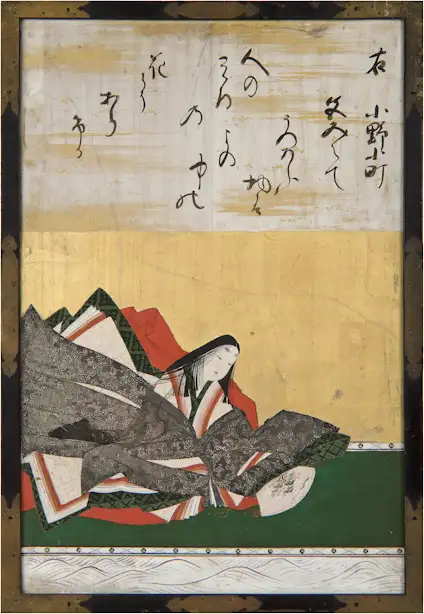
RightOno no Komachi
小野小町
(Dates unknown)
A woman poet of about the time of Emperor Ninmyō, and the only woman among the Six Immortal Poets. Famous as a great beauty, she is the subject of many legends told across Japan.
In Japanese色見えで うつろふものは 世の中の 人の心の 花にぞありけるiromiede utsurofumonoha yononakano hitonokokorono hananizoarikeruIn EnglishWhat fades without showing its color is the flower of a lover's heart.
Pair 7
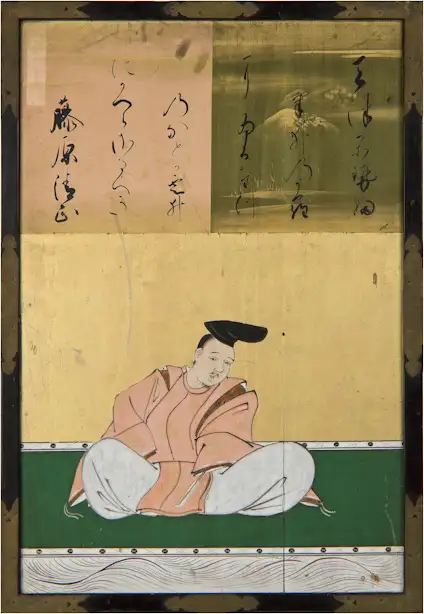
LeftFujiwara no Kanesuke
藤原兼輔
(877–933)
He was called the Tsutsumi Middle Counselor (Tsutsumi Chūnagon) because his mansion stood by the embankment (tsutsumi) of the Kamo River. He supported poets such as Ki no Tsurayuki, and he was the great-grandfather of Murasaki Shikibu.
In Japanese人の親の 心は闇に あらねども 子を思ふ道に 惑ひぬるかなhitonooyano kokorohayamini aranedomo kooomofumichini madohinurukanaIn EnglishA parent's heart is not darkness, yet on the path of caring for a child one loses one's way as if in the dark.
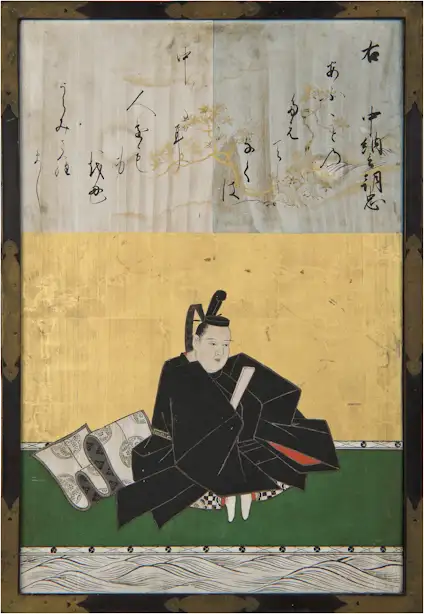
RightFujiwara no Asatada
藤原朝忠
(910–967)
Son of Fujiwara no Sadakata, the Minister of the Right of Sanjō. He was also known as a master of the shō (a reed mouth organ) and did well at the Tentoku Palace Poetry Contest.
In Japanese逢ふことの 絶えてしなくは なかなかに 人をも身をも 恨みざらましofukotono taeteshinakuha nakanakani hitoomomiomo uramizaramashiIn EnglishIf we had never met at all, I would not resent your coldness or my own unhappy lot.
Pair 8
LeftFujiwara no Atsutada
藤原敦忠
(906–943)
Son of Fujiwara no Tokihira, the Minister of the Left. Handsome and gifted in music, he was praised as a master of the biwa (lute), but he died young, at 38.
In Japanese逢ひ見ての 後の心に くらぶれば 昔はものを 思はざりけりahimiteno nochinokokoroni kurabureba mukashihamonoo omohazarikeriIn EnglishCompared with how I feel now that we have met and shared our love, the longing I felt before was nothing at all.
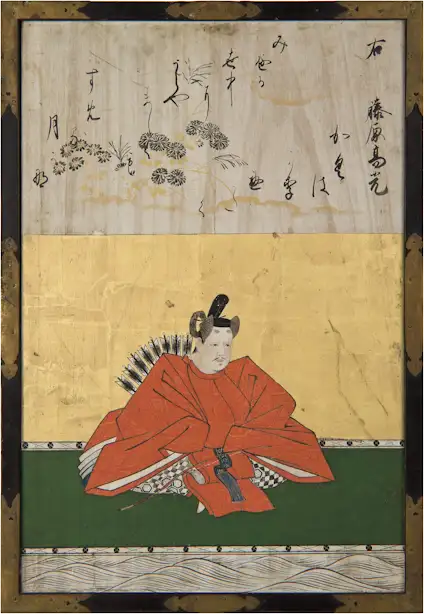
RightFujiwara no Takamitsu
藤原高光
(c. 939–994)
Son of Fujiwara no Morosuke, the Minister of the Right. Though great things were expected of him, he became a monk while young, first on Mount Hiei and later at Tōnomine. His renunciation is told in the mid-Heian kana tale Tōnomine Shōshō Monogatari.
In Japaneseかくばかり 経がたく見ゆる 世の中に うらやましくも 澄める月かなkakubakari hegatakumiyuru yononakani urayamashikumo sumerutsukikanaIn EnglishIn a world that seems so hard to live in, how enviably clear the moon shines.
Pair 9
LeftMinamoto no Kintada Ason
源公忠朝臣
(889–948)
Grandson of Emperor Kōkō. He served Emperors Daigo and Suzaku. A man of refined taste, he was skilled at blending incense and at falconry. His son Minamoto no Saneakira is also one of the Thirty-Six Immortal Poets.
In Japanese行きやらで 山路暮らしつ ほととぎす 今ひと声の 聞かまほしさにyukiyarade yamajikurashitsu hototogisu imahitokoeno kikamahoshisaniIn EnglishUnable to pass on, I spent the whole day on the mountain path, longing to hear the cuckoo cry just once more.
RightMibu no Tadamine
壬生忠岑
(c. 860–c. 920)
One of the compilers of the Kokin Wakashū. Though of low rank, he was a gifted poet and is also said to have written Wakatai Jisshu (Ten Styles of Waka), a work on poetry. The father of Mibu no Tadami.
In Japanese春立つと 言ふばかりにや み吉野の 山も霞みて 今朝は見ゆらむharutatsuto ifubakariniya miyoshinono yamamokasumite kesahamiyuramuIn EnglishIs it only because they say spring has begun that even the mountains of Yoshino look hazy this morning?
Pair 10
LeftSaigū no Nyōgo
斎宮女御
(929–985)
Princess Kishi, daughter of Prince Shigeakira. After serving as the Ise high priestess (saigū), she became a consort (nyōgo) of Emperor Murakami. She was known as a master of the koto.
In Japanese琴の音に 峰の松風 通ふらし いづれの緒より 調べ初めけむkotononeni minenomatsukaze kayofurashi izurenooyori shirabesomekemuIn EnglishThe wind in the pines on the peak seems to blend with the sound of the koto. From which did the melody begin — the koto's strings (o) or the mountain ridge (o)?
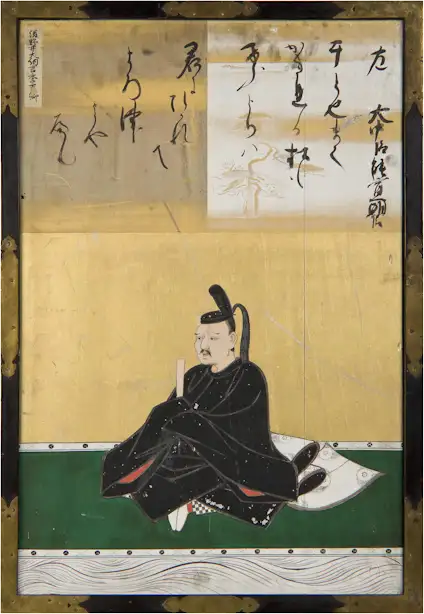
RightŌnakatomi no Yorimoto
大中臣頼基
(c. 886–956 or 958)
A poet from a family of Shinto priests, he served as chief priest (saishu) of Ise Shrine. His son Ōnakatomi no Yoshinobu is also one of the Thirty-Six Immortal Poets.
In Japaneseひと節に 千代をこめたる 杖なれば 突くとも尽きじ 君がよはひはhitofushini chiyookometaru tsuenareba tsukutomotsukiji kimigayohahihaIn EnglishSince this staff holds a thousand years in each of its joints, however often it is struck on the ground (tsuku), Her Majesty's years will never run out (tsuku).
Pair 11
LeftFujiwara no Toshiyuki
藤原敏行
(Unknown–901)
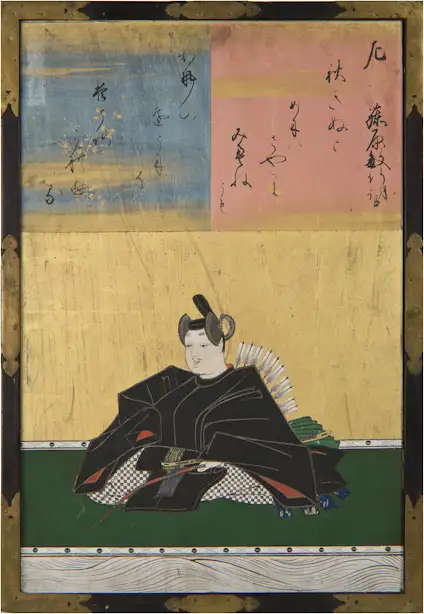
A poet of the reigns of Emperors Uda and Daigo. He was also a famous calligrapher and is said to have written the inscription on the bell of Jingo-ji Temple.
In Japanese秋来ぬと 目にはさやかに 見えねども 風の音にぞ おどろかれぬるakikinuto menihasayakani mienedomo kazenootonizo odorokarenuruIn EnglishThough my eyes cannot clearly see that autumn has come, the sound of the wind startles me into knowing it.
RightMinamoto no Shigeyuki
源重之
(Unknown–1000)
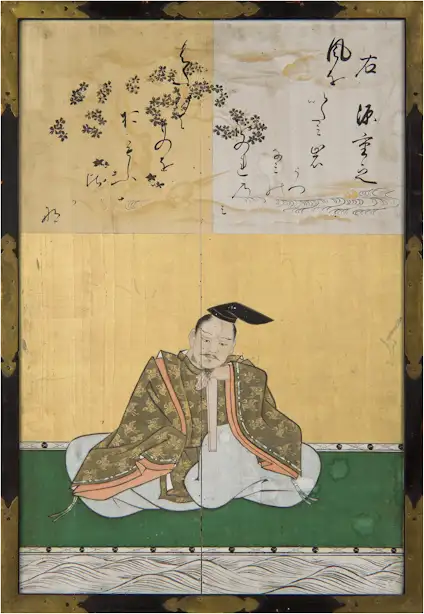
Great-grandson of Emperor Seiwa. He held a series of provincial posts, and in his later years he is said to have gone with Fujiwara no Sanekata, the new Governor of Mutsu, to that province and died there.
In Japanese風をいたみ 岩打つ波の おのれのみ 砕けてものを 思ふころかなkazeoitami iwautsunamino onorenomi kudaketemonoo omofukorokanaIn EnglishLike waves that the strong wind drives against the rocks, only I am shattered — these days I am lost in love's sorrow.
Pair 12
LeftMinamoto no Muneyuki
源宗于
(Unknown–940)
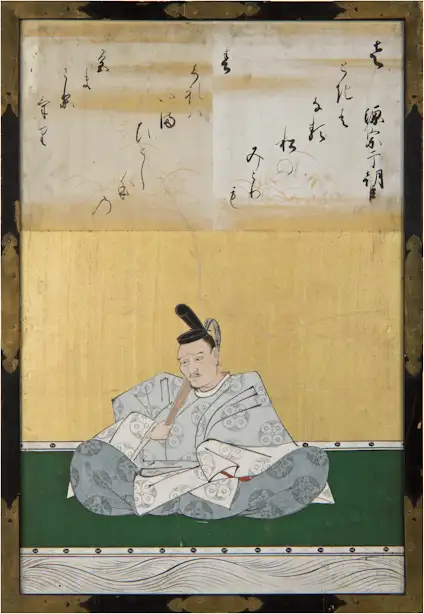
Grandson of Emperor Kōkō. He left the imperial family and took the surname Minamoto, but he did not rise far in rank, and some of his poems lament his misfortune.
In Japanese常磐なる 松の緑も 春来れば 今ひとしほの 色まさりけりtokiwanaru matsunomidorimo harukureba imahitoshihono iromasarikeriIn EnglishEven the evergreen pines, when spring comes, grow a shade deeper in color.
RightMinamoto no Saneakira
源信明
(910–970)
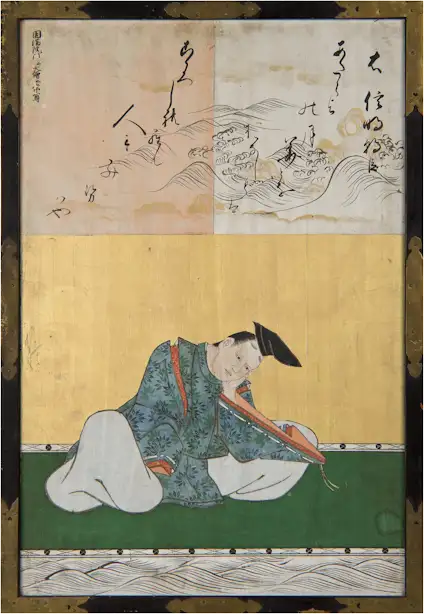
Son of Minamoto no Kintada. He had a love affair with the poet Nakatsukasa, and many of the poems they exchanged survive.
In Japaneseあたら夜の 月と花とを 同じくは あはれ知れらむ 人に見せばやatarayono tsukitohanatoo onajikuha ahareshireramu hitonimisebayaIn EnglishThe moon and blossoms of this night, too precious to waste — if I could, I would show them to someone who understands their beauty.
Pair 13
LeftFujiwara no Kiyotada
藤原清正
(Unknown–958)
Son of Fujiwara no Kanesuke, the Tsutsumi Middle Counselor. This poem is said to entrust to the crane his wish to become a courtier allowed in the palace again (tenjōbito, a "person above the clouds").
In Japanese天つ風 ふけゐの浦に ゐる鶴の などか雲居に 帰らざるべきamatsukaze fukeinourani irutazuno nadokakumoini kaerazarubekiIn EnglishThe crane at the bay of Fukei, where the heavenly wind blows — why should it not go back to the clouds?
RightMinamoto no Shitagō
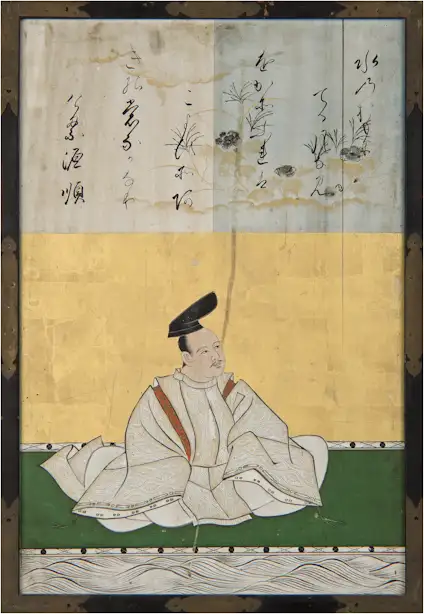
源順
(911–983)
As one of the Five Men of the Pear Pavilion, he worked on compiling the Gosen Wakashū and on reading the Man'yōshū. He also edited the Wamyō Ruijushō, Japan's first dictionary of Chinese words with Japanese readings arranged by topic.
In Japanese水の面に 照る月なみを 数ふれば 今宵ぞ秋の 最中なりけるminoomoni terutsukinamio kazofureba koyoizoakino monakanarikeruIn EnglishThe moon shines on the water of the pond, and ripples sparkle. Counting the months (tsukinami), I see that tonight is the very middle of autumn — the night of the harvest moon.
Pair 14
LeftFujiwara no Okikaze
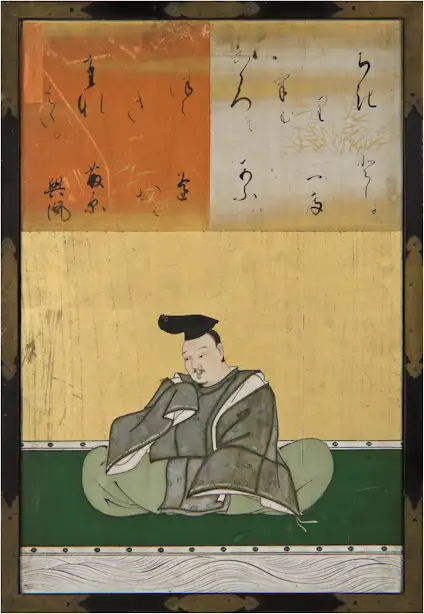
藤原興風
(Dates unknown)
A poet of the reigns of Emperors Uda and Daigo. He was also skilled at music and known as a master of the koto.
In Japanese契りけむ 心ぞつらき 織女の 年にひとたび 逢ふは逢ふかはchigirikemu kokorozotsuraki tanabatano toshinihitotabi afuhaafukahaIn EnglishHow sad is the heart of the Weaver Maid, who promised to meet only once a year. Can meeting just once a year really be called meeting?
RightKiyohara no Motosuke
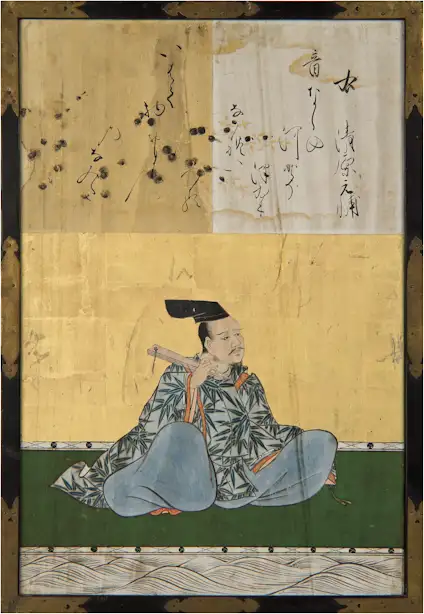
清原元輔
(908–990)
Grandson of Kiyohara no Fukayabu and father of Sei Shōnagon. As one of the Five Men of the Pear Pavilion, he served as a compiler of the Gosen Wakashū.
In Japanese音無しの 川とぞつひに 流れ出づる 言はで物思ふ 人の涙はotonashino kawatozotsuhini nagareizuru ihademonoomofu hitononamidahaIn EnglishAt last they have flowed out, like the Otonashi ("Soundless") River — the tears of one who loves without a word.
Pair 15
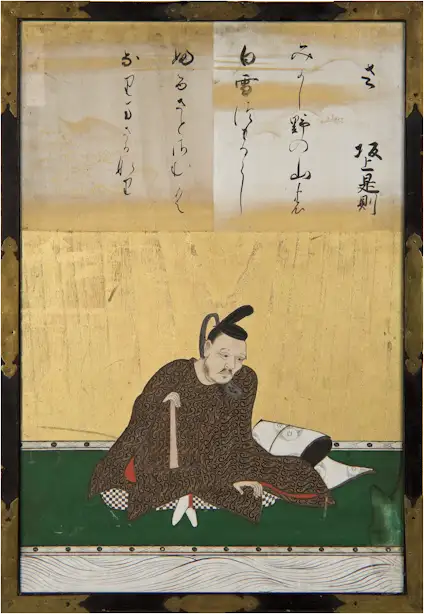
LeftSakanoue no Korenori
坂上是則
(Unknown–930)
A descendant of Sakanoue no Tamuramaro and a poet of the reign of Emperor Daigo. He is also known as a master of kemari (court football).
In Japaneseみ吉野の 山の白雪 積もるらし ふるさと寒く なりまさるなりmiyoshinono yamanoshirayuki tsumorurashi furusatosamuku narimasarunariIn EnglishSnow must be piling up on the mountains of fair Yoshino, for here in the old capital it grows colder and colder.
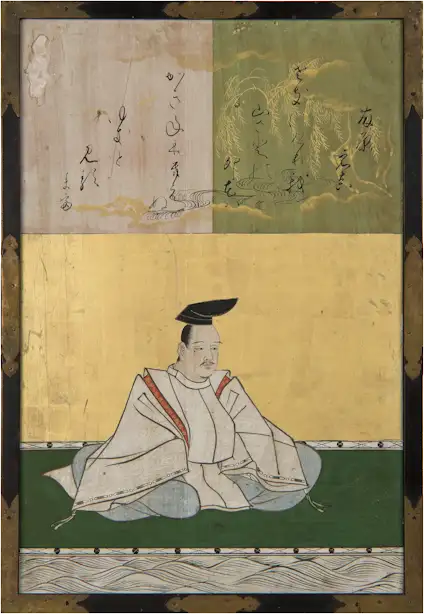
RightFujiwara no Motozane
藤原元真
(Dates unknown)
A poet of the reign of Emperor Murakami. A noble of middle rank who served as a provincial official, he left a personal poetry collection, the Motozane-shū.
In Japanese咲きにけり 我が山里の 卯の花は 垣根に消えぬ 雪と見るまでsakinikeri wagayamazatono unohanaha kakinenikienu yukitomirumadeIn EnglishThe deutzia (u no hana) has bloomed at my mountain home, so white that the hedge seems covered in snow that never melts.
Pair 16
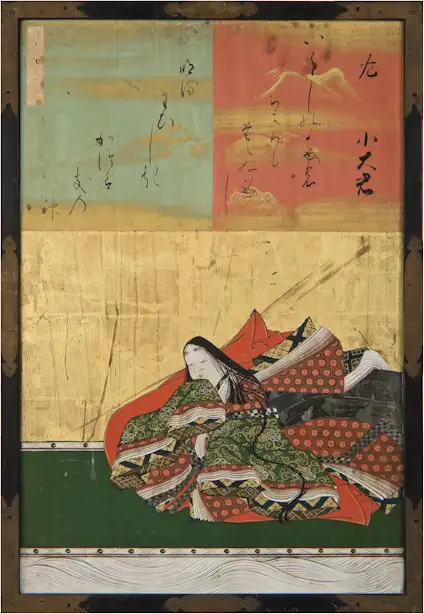
LeftKo-ōkimi
小大君
(Dates unknown)
A lady-in-waiting who served Emperor Sanjō while he was crown prince; she was also called Tōgū no Sakon. She is known for her witty poems.
In Japanese岩橋の 夜の契りも 絶えぬべし 明くるわびしき 葛城の神iwahashino yorunochigirimo taenubeshi akuruwabishiki katsuraginokamiIn EnglishLike the stone bridge at Kume, left unfinished, our nights together must come to an end. Like the god of Katsuragi, ashamed of his looks, I dread the dawn.
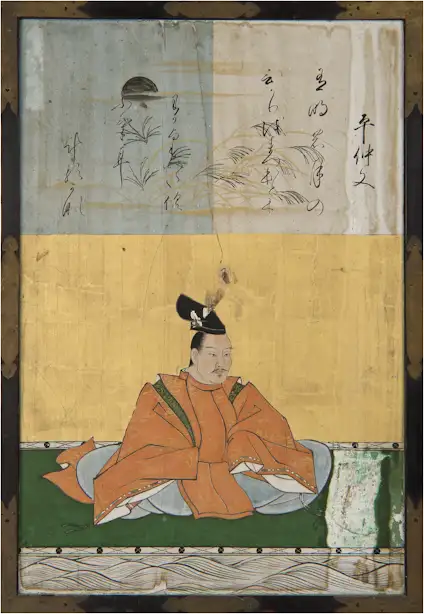
RightFujiwara no Nakafumi
藤原仲文
(923–992)
He served Emperor Reizei while he was crown prince and later held a series of provincial posts. In this poem he links the long night of waiting for the moon to rise with his own old age.
In Japanese有明の 月の光を 待つほどに 我が世のいたく 更けにけるかなariakeno tsukinohikario matsuhodoni wagayonoitaku fukenikerukanaIn EnglishWhile I waited for the light of the late-rising moon, the night grew deep — and so have my years.
Pair 17
LeftŌnakatomi no Yoshinobu
大中臣能宣
(921–991)
Son of Ōnakatomi no Yorimoto, he served as chief priest of Ise Shrine. One of the Five Men of the Pear Pavilion. Ise no Taifu was his granddaughter.
In Japanese千年まで 限れる松も 今日よりは 君に引かれて 万代や経むchitosemade kagirerumatsumo kyouyoriha kiminihikarete yorozuyoyahemuIn EnglishEven the pine, whose life is said to end at a thousand years, from today, pulled up by you, may live ten thousand years.
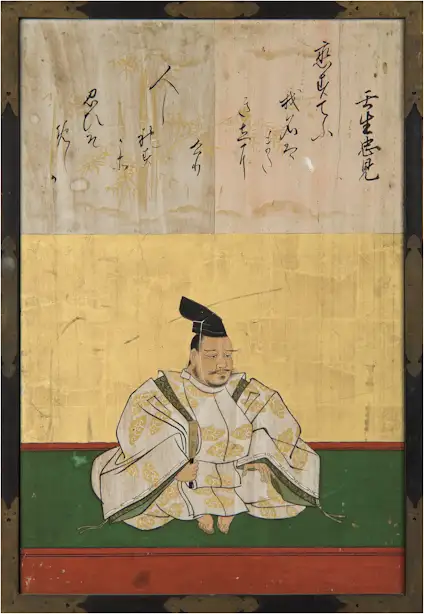
RightMibu no Tadami
壬生忠見
(Dates unknown)
Son of Mibu no Tadamine. A story says that after losing to Taira no Kanemori at the Tentoku Palace Poetry Contest, he fell ill from disappointment.
In Japanese恋すてふ 我が名はまだき 立ちにけり 人知れずこそ 思ひそめしかkoisutefu waganahamadaki tachinikeri hitoshirezukoso omohisomeshikaIn EnglishAlready the rumor has spread that I am in love, though I had only just begun to love in secret.
Pair 18
LeftTaira no Kanemori
平兼盛
(Unknown–991)
Great-grandson of Emperor Kōkō. At the Tentoku Palace Poetry Contest he presented his poem "Shinoburedo...," and it is said that he won against Mibu no Tadami because Emperor Murakami softly recited it.
In Japanese数ふれば 我が身に積もる 年月を 送り迎ふと なにいそぐらむkazofureba wagaminitsumoru toshitsukio okurimukafuto naniisoguramuIn EnglishWhen I count them, the years and months only pile up on me, so why do people hurry to send off the old year and welcome the new?
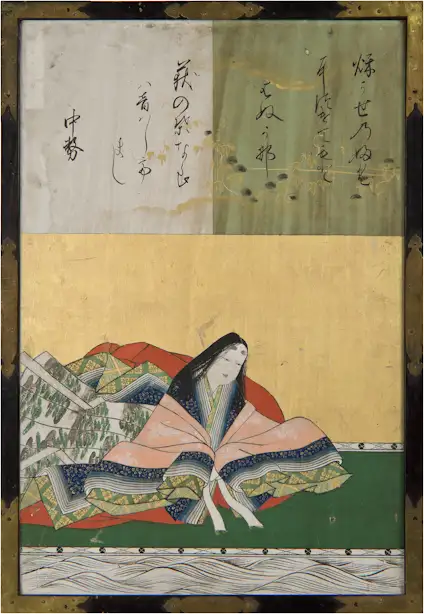
RightNakatsukasa
中務
(c. 912–c. 991)
Daughter of Prince Atsuyoshi and Ise; she was chosen as one of the Thirty-Six Immortal Poets together with her mother. She is not in the Hyakunin Isshu, but with the gift for poetry she inherited from her mother, she has as many as 69 poems in the imperial anthologies.
In Japanese秋風の 吹くにつけても 訪はぬかな 荻の葉ならば 音はしてましakikazeno fukunitsuketemo tohanukana oginohanaraba otohashitemashiIn EnglishEven now that the autumn wind blows, you do not come to visit. If you were reeds (ogi), at least you would rustle.