


Hyakunin Isshu Poet Encyclopedia
Browse all 100 poets of Hyakunin Isshu. Sort or filter by alphabetical order, era, theme, imperial
anthology source, rank, or occupation.
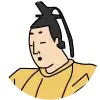
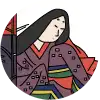
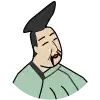
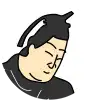
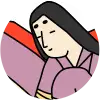
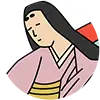
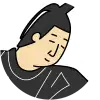
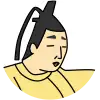
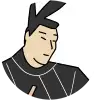
The illustrations are colored and adapted using Adobe Firefly, based on the artwork used in "A Hundred Verses from Old Japan," published in the UK in 1909 by William N. Porter. Each card also shows the poet's poem along with its modern translation.
The estimated annual income shown on each card is based on the highest court rank the poet reached in their lifetime. For details on the conversion method, see Estimated Annual Income of Heian Nobles.
1
 Read more
天智天皇Emperor Tenji
Asuka · Nara
626–672
As Prince Naka no Ōe, he overthrew the Soga clan with Nakatomi no Kamatari (the Isshi Incident) and carried out the Taika Reforms. After the defeat at the Battle of Baekgang, he moved the capital to Ōmi Ōtsu-no-miya and took the throne in 668. With the Kōgo family register and the Ōmi Code, he laid the foundations of the ritsuryō state.
Autumn (Gosen Wakashū)
秋の田の
かりほの庵の
苫をあらみ
我が衣手は
露にぬれつつ
かりほの庵の
苫をあらみ
我が衣手は
露にぬれつつ
2
 Read more
持統天皇Empress Jitō
Asuka · Nara
645–703
Daughter of Emperor Tenji; her personal name was Uno no Sarara. At 13 she married Prince Ōama (Emperor Tenmu) and won the Jinshin War alongside him. After her husband's death, and the early death of her son Prince Kusakabe, she took the throne in 690. She put the Asuka Kiyomihara Code into effect and moved the capital to Fujiwara-kyō.
Summer (Shin Kokinshū)
春過ぎて
夏来にけらし
白妙の
衣ほすてふ
天の香具山
夏来にけらし
白妙の
衣ほすてふ
天の香具山
3
 Read more
柿本人麻呂Kakinomoto no Hitomaro
Asuka · Nara
b. unknown–708 (approx.)
He served at court, composing hymns in praise of emperors and elegies for princes. A master of lyric poetry, he was called a "Saint of Poetry" together with Yamabe no Akahito and revered as a god of waka. Much of his life, including his dates, is unclear; he is said to have died in Iwami Province around 708, but whether he collapsed on the road or was executed is uncertain.
Love (Shūi Wakashū)
あしびきの
山鳥の尾の
しだり尾の
ながながし夜を
ひとりかも寝む
山鳥の尾の
しだり尾の
ながながし夜を
ひとりかも寝む
4
 Read more
山部赤人Yamabe no Akahito
Asuka · Nara
dates unknown
A Man'yōshū poet of the Nara period who served Emperor Shōmu. Though a low-ranking official, he had a gift for depicting nature and left many poems of the landscapes he saw while accompanying imperial journeys. Ranked with Kakinomoto no Hitomaro as a "Saint of Poetry," he is one of the Thirty-Six Immortal Poets. His datable poems span the years 724–736.
Winter (Shin Kokinshū)
田子の浦に
うちいでてみれば
白妙の
富士の高嶺に
雪は降りつつ
うちいでてみれば
白妙の
富士の高嶺に
雪は降りつつ
5
 Read more
猿丸太夫Sarumaru Dayū
Asuka · Nara
dates unknown
No dates or details of his life were recorded, and nothing concrete is known of his background or achievements, so he is called a legendary poet. He is thought to have lived in the late Nara or early Heian period; his name appears in the Chinese preface to the Kokin Wakashū, and he is counted among the Thirty-Six Immortal Poets.
Autumn (Kokinshū)
奥山に
紅葉踏み分け
鳴く鹿の
声聞く時ぞ
秋はかなしき
紅葉踏み分け
鳴く鹿の
声聞く時ぞ
秋はかなしき
6
 Read more
中納言家持Middle Counselor Yakamochi
Asuka · Nara
718 (approx.)–785
Son of Ōtomo no Tabito and a Nara-period poet believed to have compiled the Man'yōshū. He became Middle Counselor in 783, but after his death in 785 he was implicated in the assassination of Fujiwara no Tanetsugu and stripped of his status, and his remains were banished to Oki. He was pardoned in 806 and his rank was restored.
Winter (Shin Kokinshū)
かささぎの
渡せる橋に
おく霜の
白きをみれば
夜ぞふけにける
渡せる橋に
おく霜の
白きをみれば
夜ぞふけにける
7
 Read more
安倍仲麻呂Abe no Nakamaro
Asuka · Nara
698–770
Eldest son of Abe no Funamori, he crossed to Tang China with an envoy mission in his late teens. He passed the imperial examinations, served Emperor Xuanzong, and befriended the poets Wang Wei and Li Bai. Valued for his talent, he was not allowed to go home, and the ship he finally boarded in 753 was wrecked and drifted to Vietnam. He died in China in 770.
Travel (Kokinshū)
天の原
ふりさけみれば
春日なる
三笠の山に
出でし月かも
ふりさけみれば
春日なる
三笠の山に
出でし月かも
8
 Read more
喜撰法師Priest Kisen
Early Heian
dates unknown
One of the Six Immortal Poets, yet almost nothing is recorded of his life or origins, and he may have been handed down more as a literary symbol than as a real person. Only two poems attributed to him survive, and only one, in the Kokin Wakashū, is reliably his.
Misc. (Kokinshū)
わが庵は
都の辰巳
しかぞすむ
世をうぢ山と
人はいふなり
都の辰巳
しかぞすむ
世をうぢ山と
人はいふなり
9
 Read more
小野小町Ono no Komachi
Early Heian
dates unknown
An early Heian poet said to be the daughter of Ono no Yoshizane, a district official in Dewa, though her birth and life are shrouded in mystery. She is thought to have served in the inner palaces of Emperors Ninmyō and Montoku, showing her talent for waka at court. One of the Six Immortal Poets and the Thirty-Six Immortal Poets, she inspired many legends as a woman of peerless beauty.
Spring (Kokinshū)
花の色は
うつりにけりな
いたづらに
わが身よにふる
ながめせしまに
うつりにけりな
いたづらに
わが身よにふる
ながめせしまに
10
 Read more
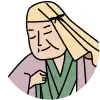
蝉丸Semimaru
Early Heian
dates unknown
Said to be the fourth son of Emperor Daigo, he is reported to have been abandoned on Mount Ōsaka because he was blind. He then made his living as a biwa-playing minstrel, and one theory holds that his name comes from his singing voice, which recalled the cry of cicadas (semi). Legend says he died at the foot of Mount Ōsaka.
Misc. (Gosen Wakashū)
これやこの
行くも帰るも
わかれては
しるもしらぬも
逢坂の関
行くも帰るも
わかれては
しるもしらぬも
逢坂の関
11
 Read more
参議篁Councillor Takamura
Early Heian
802–853
His real name was Ono no Takamura, and he was the grandfather of Ono no Komachi. Appointed deputy envoy to Tang China in 834, he refused to board when ordered to exchange his ship for a leaking one, and he was exiled to Oki for criticizing the missions in his Chinese poem "Saidōyō." Pardoned in 840, he returned to the capital and became Councillor in 847.
Travel (Kokinshū)
わたの原
八十島かけて
漕ぎ出でぬと
人にはつげよ
あまのつり舟
八十島かけて
漕ぎ出でぬと
人にはつげよ
あまのつり舟
12
 Read more
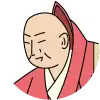
僧正遍昭High Priest Henjō
Early Heian
816–890
His lay name was Yoshimine no Munesada. A grandson of Emperor Kanmu born in 816, he served Emperor Ninmyō as Head Chamberlain. Feeling the impermanence of the world when the emperor died in 850, he took the tonsure; he became High Priest in 885 and died in 890. One of the Six Immortal Poets and the Thirty-Six Immortal Poets.
Misc. (Kokinshū)
天つ風
雲のかよひ路
吹きとぢよ
をとめの姿
しばしとどめむ
雲のかよひ路
吹きとぢよ
をとめの姿
しばしとどめむ
13
 Read more
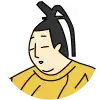
陽成院Retired Emperor Yōzei
Early Heian
869–949
Son of Emperor Seiwa, he took the throne at nine but is said to have abdicated at 17 because of mental illness (some say it was engineered by Fujiwara no Mototsune). He then held the status of retired emperor for more than 60 years, the longest of any retired emperor, and died in 949.
Love (Gosen Wakashū)
筑波嶺の
峰より落つる
みなの川
こひぞつもりて
淵となりぬる
峰より落つる
みなの川
こひぞつもりて
淵となりぬる
14
 Read more
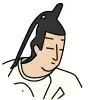
河原左大臣Minister of the Left of Kawara
Early Heian
822–895
His real name was Minamoto no Tōru. A son of Emperor Saga, he was made a commoner because his mother was of low rank. He became Minister of the Left in 872 and hoped to take the throne himself when Yōzei abdicated, but was blocked by Fujiwara no Mototsune. He built the lavish Kawara-no-in mansion on Rokujō in the capital and is said to be a model for Hikaru Genji.
Love (Kokinshū)
陸奥の
しのぶもぢずり
誰ゆゑに
乱れそめにし
我ならなくに
しのぶもぢずり
誰ゆゑに
乱れそめにし
我ならなくに
15
 Read more
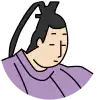
光孝天皇Emperor Kōkō
Early Heian
830–887
Son of Emperor Ninmyō; after Yōzei abdicated, he took the throne in 884 at the age of 55 on the recommendation of Fujiwara no Mototsune. He reigned for only three years, with real power largely in Mototsune's hands. The Nihon Sandai Jitsuroku describes him as modest, gentle and compassionate, a character that shows in his poetry.
Spring (Kokinshū)
君がため
春の野に出でて
若菜つむ
わが衣手に
雪は降りつつ
春の野に出でて
若菜つむ
わが衣手に
雪は降りつつ
16
 Read more
中納言行平Middle Counselor Yukihira
Early Heian
818–893
Ariwara no Yukihira. Second son of Prince Abo, a son of Emperor Heizei, and elder half-brother of Ariwara no Narihira. After serving as Governor of Harima and Head Chamberlain, he became Middle Counselor in 882. In 881 he founded the Shōgakuin, a school for the Ariwara clan, and was devoted to education. He died in 893.
Parting (Kokinshū)
立ち別れ
いなばの山の
峰に生ふる
まつとし聞かば
今帰りこむ
いなばの山の
峰に生ふる
まつとし聞かば
今帰りこむ
17
 Read more
在原業平朝臣Ariwara no Narihira Ason
Early Heian
825–880
Ariwara no Narihira. A son of Prince Abo, himself a son of Emperor Heizei, he was made a commoner. Free-spirited and gifted at waka, he is regarded as the hero of The Tales of Ise. He served as Provisional Middle Captain of the Right Inner Palace Guards and Head Chamberlain, and died in 880. One of the Six Immortal Poets and the Thirty-Six Immortal Poets.
Autumn (Kokinshū)
ちはやぶる
神代もきかず
竜田川
から紅に
水くくるとは
神代もきかず
竜田川
から紅に
水くくるとは
18
 Read more
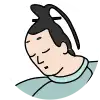
藤原敏行朝臣Fujiwara no Toshiyuki Ason
Early Heian
b. unknown–901
Fujiwara no Toshiyuki. A fine calligrapher, he copied many Lotus Sutras at others' request; the Uji Shūi Monogatari tells how he fell into hell for copying them while ritually impure. In 897 he was made Senior Fourth Rank, Upper Grade and Captain of the Right Military Guards, and he died in 901. One of the Thirty-Six Immortal Poets.
Love (Kokinshū)
住の江の
岸による波
よるさへや
夢のかよひ路
人目よくらむ
岸による波
よるさへや
夢のかよひ路
人目よくらむ
19
 Read more
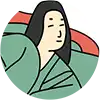
伊勢Ise
Early Heian
872 (approx.)–938 (approx.)
A leading poet of the Kokin Wakashū era and daughter of Fujiwara no Tsugukage. She served Empress Onshi, consort of Emperor Uda, and bore the emperor a prince, earning the name "Ise no Miyasudokoro." With Prince Atsuyoshi she had a daughter, Nakatsukasa, who also became a poet. She died around 938.
Love (Shin Kokinshū)
難波潟
みじかき葦の
ふしのまも
逢はでこの世を
過ぐしてよとや
みじかき葦の
ふしのまも
逢はでこの世を
過ぐしてよとや
20
 Read more
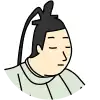
元良親王Prince Motoyoshi
Early Heian
890–943
Eldest son of Retired Emperor Yōzei, born in 890 after his father's abdication. The greatest lover of his day, he took a different woman almost every night and was nicknamed "the lord who makes the rounds each night." Ki no Tsurayuki composed folding-screen poems for his 40th-birthday celebration. He died in 943; 20 of his poems appear in imperial anthologies.
Love (Gosen Wakashū)
わびぬれば
いまはたおなじ
難波なる
みをつくしても
逢はむとぞ思ふ
いまはたおなじ
難波なる
みをつくしても
逢はむとぞ思ふ
21
 Read more
素性法師Priest Sosei
Early Heian
dates unknown
Great-grandson of Emperor Kanmu and son of High Priest Henjō. After rising to Lieutenant of the Left Inner Palace Guards, he took the tonsure young, lived at Urin-in, and later moved to Ryōin-in at Isonokami in Yamato. Even as a monk he was active at court poetry gatherings, and he became Provisional Master of Discipline in 896. His dates are unknown. One of the Thirty-Six Immortal Poets.
Love (Kokinshū)
今こむと
いひしばかりに
長月の
有明の月を
待ち出でつるかな
いひしばかりに
長月の
有明の月を
待ち出でつるかな
22
 Read more
文屋康秀Fun'ya no Yasuhide
Early Heian
b. unknown–885 (approx.)
Father of Fun'ya no Asayasu and a leading Heian poet, one of the Six Immortal Poets. When he was posted to Mikawa as a provincial official, he is said to have invited fellow Immortal Ono no Komachi to come along, and the two are known for their literary exchanges. He became Middle Judge of the Ministry of Justice in 860 and died around 885.
Autumn (Kokinshū)
吹くからに
秋の草木の
しをるれば
むべ山風を
嵐といふらむ
秋の草木の
しをるれば
むべ山風を
嵐といふらむ
23
 Read more
大江千里Ōe no Chisato
Early Heian
850 (approx.)–905 (approx.)
Son of Councillor Ōe no Otondo, he was born into a family of scholars, was well versed in the Chinese classics and excelled at waka. In 897 he presented Emperor Uda with the Kudai Waka, waka on lines of Chinese poetry, making him a symbol of the shift from Chinese verse to waka. His rank stopped at Senior Secretary of the Ministry of War, a minor post.
Autumn (Kokinshū)
月みれば
ちぢにものこそ
悲しけれ
わが身一つの
秋にはあらねど
ちぢにものこそ
悲しけれ
わが身一つの
秋にはあらねど
24
 Read more
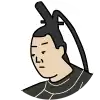
菅家Kanke
Early Heian
845–903
Sugawara no Michizane. Talented at waka and Chinese poetry from childhood, he rose with exceptional speed for a scholar and became Minister of the Right in 899. Slandered by Fujiwara no Tokihira, he was demoted to Dazaifu in 901 and died there in 903. In 993 he was posthumously granted Senior First Rank and the title of Chancellor of the Realm.
Travel (Kokinshū)
このたびは
幣もとりあへず
手向山
もみぢのにしき
神のまにまに
幣もとりあへず
手向山
もみぢのにしき
神のまにまに
25
 Read more
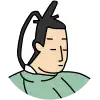
三条右大臣Minister of the Right of Sanjō
Early Heian
873–932
His real name was Fujiwara no Sadakata. Son of Fujiwara no Takafuji and father of Middle Counselor Asatada, he was called the Minister of the Right of Sanjō because his residence was in Sanjō and he became Minister of the Right. A maternal relative of the emperor, he was promoted to that post in 924. He recognized and supported Ki no Tsurayuki and Ōshikōchi no Mitsune. He died in 932.
Love (Gosen Wakashū)
名にし負はば
逢坂山の
さねかづら
人にしられで
くるよしもがな
逢坂山の
さねかづら
人にしられで
くるよしもがな
26
 Read more
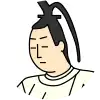
貞信公Teishin-kō
Early Heian
880–949
His real name was Fujiwara no Tadahira. Youngest son of Fujiwara no Mototsune and grandfather of Kentoku-kō. A gentle man, he stayed on friendly terms with Sugawara no Michizane even after his brother Tokihira had Michizane exiled. He became Regent in 930 and Kampaku in 941, helping to build the glory of the Fujiwara clan. He died in 949 and was given the posthumous name Teishin-kō.
Autumn (Shūi Wakashū)
小倉山
峰のもみぢ葉
心あらば
今ひとたびの
みゆき待たなむ
峰のもみぢ葉
心あらば
今ひとたびの
みゆき待たなむ
27
 Read more
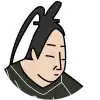
中納言兼輔Middle Counselor Kanesuke
Early Heian
877–933
His real name was Fujiwara no Kanesuke. Great-grandfather of Murasaki Shikibu, he recognized and supported Ki no Tsurayuki and Ōshikōchi no Mitsune. Because his mansion stood near the Kamo River embankment, he was called the "Embankment Middle Counselor," and he became Middle Counselor in 930. He was born in 877 and died in 933. One of the Thirty-Six Immortal Poets.
Love (Shin Kokinshū)
みかの原
わきて流るる
いづみ川
いつ見きとてか
恋しかるらむ
わきて流るる
いづみ川
いつ見きとてか
恋しかるらむ
28
 Read more
源宗于朝臣Minamoto no Muneyuki Ason
Early Heian
b. unknown–940
Minamoto no Muneyuki. Though of noble birth as a grandson of Emperor Kōkō, he became a commoner in 894 when granted the surname Minamoto no Ason. He presented waka to Emperor Uda and was recognized for his talent, but had little luck in rank: he was made Senior Fourth Rank, Lower Grade in 939 and died in 940. One of the Thirty-Six Immortal Poets.
Winter (Kokinshū)
山里は
冬ぞさびしさ
まさりける
人目も草も
かれぬと思へば
冬ぞさびしさ
まさりける
人目も草も
かれぬと思へば
29
 Read more
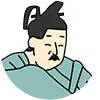
凡河内躬恒Ōshikōchi no Mitsune
Early Heian
859 (approx.)–925 (approx.)
Though his rank was not high, he showed an outstanding gift for poems describing scenery and was one of the finest poets of his day, ranked alongside Ki no Tsurayuki. In 905 he became a compiler of the Kokin Wakashū with Tsurayuki and others, and in 916 he accompanied Cloistered Emperor Uda on his visit to Ishiyama-dera and composed poems. One of the Thirty-Six Immortal Poets.
Autumn (Kokinshū)
心当てに
折らばや折らむ
初霜の
おきまどはせる
白菊の花
折らばや折らむ
初霜の
おきまどはせる
白菊の花
30
 Read more
壬生忠岑Mibu no Tadamine
Early Heian
860 (approx.)–920 (approx.)
Father of Mibu no Tadami. A low-ranking military officer in charge of guard duty, he was blessed with poetic talent and often took part in court poetry gatherings. A master of waka, he was chosen in 905 as a compiler of the Kokin Wakashū together with Ki no Tsurayuki and others, and he died around 920. One of the Thirty-Six Immortal Poets.
Love (Kokinshū)
有明の
つれなく見えし
別れより
あかつきばかり
憂きものはなし
つれなく見えし
別れより
あかつきばかり
憂きものはなし
31
 Read more
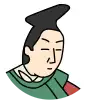
坂上是則Sakanoue no Korenori
Early Heian
b. unknown–930
A descendant of the shogun Sakanoue no Tamuramaro. Having served in Nara as a provincial official of Yamato, he was probably familiar with Yoshino. He was also a master of kemari (court football): in 905 he kicked the ball 206 times in a row at the palace and was rewarded with silk. He died in 930. One of the Thirty-Six Immortal Poets.
Winter (Kokinshū)
朝ぼらけ
有明の月と
見るまでに
吉野の里に
降れる白雪
有明の月と
見るまでに
吉野の里に
降れる白雪
32
 Read more
春道列樹Harumichi no Tsuraki
Early Heian
b. unknown–920
A descendant of the Mononobe, a powerful clan of ancient times. He became a student of letters in 910 and was appointed Governor of Iki, but died in 920 before taking up his post. He left no personal collection and is little known as a poet, yet Fujiwara no Sadaie seems to have liked this poem so much that he used it as the basis of a poem of his own (honkadori).
Autumn (Kokinshū)
山川に
風のかけたる
しがらみは
流れもあへぬ
紅葉なりけり
風のかけたる
しがらみは
流れもあへぬ
紅葉なりけり
33
 Read more
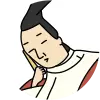
紀友則Ki no Tomonori
Early Heian
845 (approx.)–907
Cousin of Ki no Tsurayuki, known for the Tosa Diary and the kana preface to the Kokin Wakashū. He became one of the anthology's compilers in 905 but died in 907, before it was completed. His poetic talent was highly regarded; many of his poems were included in imperial anthologies, and he was chosen as one of the Thirty-Six Immortal Poets.
Spring (Kokinshū)
久方の
光のどけき
春の日に
しづ心なく
花の散るらむ
光のどけき
春の日に
しづ心なく
花の散るらむ
34
 Read more
藤原興風Fujiwara no Okikaze
Early Heian
dates unknown
Though not of high status, he was highly regarded as a poet and left a personal collection, the Okikaze-shū. A master of the koto, he is said to have excelled at music as well. He has 38 poems in imperial anthologies from the Kokin Wakashū on and is one of the Thirty-Six Immortal Poets. He became a provincial official of Sagami in 900 and of Shimōsa in 914.
Misc. (Kokinshū)
誰をかも
知る人にせむ
高砂の
松も昔の
友ならなくに
知る人にせむ
高砂の
松も昔の
友ならなくに
35
 Read more
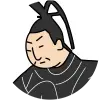
紀貫之Ki no Tsurayuki
Early Heian
868 (approx.)–945
He wrote the kana preface to the Kokin Wakashū and compiled the anthology at the command of Emperor Daigo in 905. Appointed Governor of Tosa in 930, he wrote the Tosa Diary about his journey back to the capital around 935, in kana and from a woman's point of view, greatly influencing later women writers. He died around 945.
Spring (Kokinshū)
人はいさ
心も知らず
ふるさとは
花ぞ昔の
香に匂ひける
心も知らず
ふるさとは
花ぞ昔の
香に匂ひける
36
 Read more
清原深養父Kiyohara no Fukayabu
Early Heian
dates unknown
A descendant of Emperor Tenmu and great-grandfather of Sei Shōnagon. Never fortunate in rank, he was made Junior Fifth Rank, Lower Grade in 930. He associated with Fujiwara no Kanesuke, Ki no Tsurayuki and Ōshikōchi no Mitsune, and was a master of the koto. In his later years he is said to have founded Fudaraku-ji in Iwakura and lived there in seclusion.
Summer (Kokinshū)
夏の夜は
まだ宵ながら
あけぬるを
雲のいづこに
月やどるらむ
まだ宵ながら
あけぬるを
雲のいづこに
月やどるらむ
37
 Read more
文屋朝康Fun'ya no Asayasu
Early Heian
dates unknown
Son of Fun'ya no Yasuhide. Never fortunate in rank, he was nevertheless known as a poet. He became a provincial official of Suruga in 892 and Senior Secretary of the Bureau of Palace Attendants in 902. He composed for the Kanpyō Empress's Poetry Contest and Prince Koresada's Poetry Contest, and three of his poems appear in imperial anthologies.
Autumn (Gosen Wakashū)
白露に
風の吹きしく
秋の野は
つらぬきとめぬ
玉ぞ散りける
風の吹きしく
秋の野は
つらぬきとめぬ
玉ぞ散りける
38
 Read more
右近Ukon
Early Heian
dates unknown
A lady-in-waiting to Empress Onshi, consort of Emperor Daigo. Her name comes from her father's post as Lesser Captain of the Right Inner Palace Guards. The Yamato Monogatari shows her falling in love with various men, revealing her as a woman of many romances. She composed for the Tentoku Palace Poetry Contest of 960 and other events.
Love (Shūi Wakashū)
忘らるる
身をば思はず
誓ひてし
人の命の
惜しくもあるかな
身をば思はず
誓ひてし
人の命の
惜しくもあるかな
39
 Read more
参議等Councillor Hitoshi
Early Heian
880–951
His real name was Minamoto no Hitoshi. A great-grandson of Emperor Saga, he became a commoner with the surname Minamoto. After a series of provincial posts, including Governor of Mikawa and of Tanba, he became Councillor in 947 and joined the ranks of the senior nobles. He was made Senior Fourth Rank, Lower Grade in 951 and died some time later. Only four of his poems appear, in the Gosen Wakashū.
Love (Gosen Wakashū)
浅茅生の
小野の篠原
しのぶれど
あまりてなどか
人の恋しき
小野の篠原
しのぶれど
あまりてなどか
人の恋しき
40
 Read more
平兼盛Taira no Kanemori
Early Heian
b. unknown–991
A great-great-grandson of Emperor Kōkō, he became a commoner in 950 when granted the surname Taira no Ason; his line was separate from Kiyomori's Ise Taira. He competed against Mibu no Tadami at the Tentoku Palace Poetry Contest of 960 and became Governor of Suruga in 979. One theory holds that he was the father of Akazome Emon. He died in 991. One of the Thirty-Six Immortal Poets.
Love (Shūi Wakashū)
忍ぶれど
色に出でにけり
我が恋は
物や思ふと
人の問ふまで
色に出でにけり
我が恋は
物や思ふと
人の問ふまで
41
 Read more
壬生忠見Mibu no Tadami
Early Heian
dates unknown
Son of Mibu no Tadamine. A low-ranking official under Emperor Murakami, he inherited his father's gift for poetry and excelled from childhood, being summoned to the palace to work in the imperial kitchen office. He became a provincial official of Settsu in 958 and competed against Taira no Kanemori at the Tentoku Palace Poetry Contest of 960. He has 36 poems in imperial anthologies. One of the Thirty-Six Immortal Poets.
Love (Shūi Wakashū)
恋すてふ
我が名はまだき
立ちにけり
人しれずこそ
思ひそめしか
我が名はまだき
立ちにけり
人しれずこそ
思ひそめしか
42
 Read more
清原元輔Kiyohara no Motosuke
Early Heian
908–990
Grandson of Kiyohara no Fukayabu and father of Sei Shōnagon. In 951 he worked on compiling the Gosen Wakashū as one of the Five Men of the Pear Chamber. He became Governor of Higo in 986 and died there in 990. Sei Shōnagon is said to have avoided composing waka so as not to tarnish her father's name.
Love (Goshūi Wakashū)
契りきな
かたみに袖を
しぼりつつ
末の松山
波こさじとは
かたみに袖を
しぼりつつ
末の松山
波こさじとは
43
 Read more
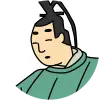
中納言敦忠Middle Counselor Atsutada
Early Heian
906–943
His real name was Fujiwara no Atsutada. Third son of Minister of the Left Fujiwara no Tokihira, he was gifted at waka and the biwa. He became Acting Middle Counselor in 942 but died of illness in 943 at the age of 38. Because his father had brought about Sugawara no Michizane's downfall, rumor spread that his death was the curse of Michizane's vengeful spirit. One of the Thirty-Six Immortal Poets.
Love (Shūi Wakashū)
逢ひ見ての
のちの心に
くらぶれば
昔は物を
思はざりけり
のちの心に
くらぶれば
昔は物を
思はざりけり
44
 Read more
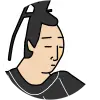
中納言朝忠Middle Counselor Asatada
Early Heian
910–967
His real name was Fujiwara no Asatada. Fifth son of Sadakata, the Minister of the Right of Sanjō, he was known for his waka and as a master of the shō (mouth organ). He became Councillor in 952 and Middle Counselor in 963, rising to Junior Third Rank. His granddaughter was Rinshi, wife of Michinaga. He died in 967. One of the Thirty-Six Immortal Poets.
Love (Shūi Wakashū)
逢ふことの
絶えてしなくは
なかなかに
人をも身をも
恨みざらまし
絶えてしなくは
なかなかに
人をも身をも
恨みざらまし
45
 Read more
謙徳公Kentoku-kō
Early Heian
924–972
The posthumous name of Fujiwara no Koretada. Grandson of Teishin-kō and son of Minister of the Right Morosuke, he ignored his father's dying instructions and lived in luxury. In 951 he became Director of the Bureau of Poetry and led the Five Men of the Pear Chamber; he became Regent in 970 and Chancellor of the Realm in 971, and died the following year at 49. Father of Fujiwara no Yoshitaka.
Love (Shūi Wakashū)
あはれとも
いふべき人は
思ほえで
身のいたづらに
なりぬべきかな
いふべき人は
思ほえで
身のいたづらに
なりぬべきかな
46
 Read more
曾禰好忠Sone no Yoshitada
Mid Heian
dates unknown
A pioneer who brought old words from the Man'yōshū into his verse and originated the hundred-poem sequence. His novel style was not understood by the aristocracy, and he was regarded as an eccentric. In 985 he turned up uninvited at Retired Emperor En'yū's Day of the Rat outing in the New Year and was thrown out. He was later highly regarded and has more poems than anyone else in the Shika Wakashū.
Love (Shin Kokinshū)
由良のとを
渡る舟人
かぢを絶え
ゆくへも知らぬ
恋の道かな
渡る舟人
かぢを絶え
ゆくへも知らぬ
恋の道かな
47
 Read more
恵慶法師Priest Egyō
Mid Heian
dates unknown
A monk said to have been a lecturer at the provincial temple of Harima. A friend of the priest Anpō, who lived at the Kawara-no-in, he often visited the mansion. He became active in poetry contests and other events from around 962, and in 986 he accompanied Retired Emperor Kazan on his pilgrimage to Kumano.
Autumn (Shūi Wakashū)
八重葎
しげれる宿の
さびしきに
人こそ見えね
秋は来にけり
しげれる宿の
さびしきに
人こそ見えね
秋は来にけり
48
 Read more
源重之Minamoto no Shigeyuki
Mid Heian
b. unknown–1000
A great-grandson of Emperor Seiwa. While moving from one provincial post to another, he composed waka and presented Emperor Reizei with a hundred-poem sequence, the Shigeyuki Hyakushu. He was also a friend of Sone no Yoshitada. Around 995 he went down to Mutsu Province with Fujiwara no Sanekata, who had been appointed Governor of Mutsu, and died there in 1000.
Love (Shika Wakashū)
風をいたみ
岩うつ波の
おのれのみ
くだけて物を
思ふころかな
岩うつ波の
おのれのみ
くだけて物を
思ふころかな
49
 Read more
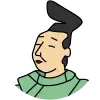
大中臣能宣朝臣Ōnakatomi no Yoshinobu Ason
Mid Heian
921–991
Ōnakatomi no Yoshinobu. From the Nakatomi clan, which shared its ancestry with Nakatomi no Kamatari, he served as chief priest of Ise Shrine. He was one of the Five Men of the Pear Chamber who worked on the Gosen Wakashū at the command of Emperor Murakami. Grandfather of Ise no Taifu, he died in 991. One of the Thirty-Six Immortal Poets.
Love (Shika Wakashū)
御垣守
衛士のたく火の
夜はもえ
昼は消えつつ
物をこそ思へ
衛士のたく火の
夜はもえ
昼は消えつつ
物をこそ思へ
50
 Read more
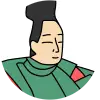
藤原義孝Fujiwara no Yoshitaka
Mid Heian
954–974
Son of Kentoku-kō (Fujiwara no Koretada), he was blessed with good looks and talent. Deeply devoted to Buddhism, he is said never to have eaten meat or fish. Though he composed a poem wishing for a long life, he died of smallpox in 974 at the age of 21. His eldest son was Fujiwara no Yukinari, one of the Sanseki, the three great calligraphers.
Love (Goshūi Wakashū)
君がため
惜しからざりし
いのちさへ
長くもがなと
思ひけるかな
惜しからざりし
いのちさへ
長くもがなと
思ひけるかな
51
 Read more
藤原実方朝臣Fujiwara no Sanekata Ason
Mid Heian
b. unknown–999
Fujiwara no Sanekata. A great-grandson of Teishin-kō, he was born into a distinguished family and great things were expected of him. According to the Kojidan, he quarreled with Fujiwara no Yukinari at court and threw away Yukinari's eboshi cap, angering Emperor Ichijō, who sent him off to Mutsu with the words "Go and see the utamakura." He died in Mutsu Province in 999.
Love (Goshūi Wakashū)
かくとだに
えやはいぶきの
さしも草
さしも知らじな
もゆる思ひを
えやはいぶきの
さしも草
さしも知らじな
もゆる思ひを
52
 Read more
藤原道信朝臣Fujiwara no Michinobu Ason
Mid Heian
972–994
Fujiwara no Michinobu. Son of Fujiwara no Tamemitsu, he was raised as the adopted son of his uncle, Regent Fujiwara no Kaneie. The Ōkagami records him as a skilled poet, and he is said to have been modest and kind-hearted. He became Middle Captain of the Left Inner Palace Guards in 991 but died young of smallpox in 994, at 23.
Love (Goshūi Wakashū)
明けぬれば
暮るるものとは
知りながら
なほうらめしき
朝ぼらけかな
暮るるものとは
知りながら
なほうらめしき
朝ぼらけかな
53
 Read more
右大将道綱母Mother of the Right Captain Michitsuna
Mid Heian
936 (approx.)–995
Daughter of Fujiwara no Tomoyasu, she became a secondary wife of Fujiwara no Kaneie, later Kampaku, and bore Michitsuna in 955. Her Kagerō Diary, completed around 974, reveals both her anguish over her husband's infidelity and the proud spirit with which she lived through adversity. She is counted among the Three Beauties of Japan. Died 995.
Love (Shūi Wakashū)
嘆きつつ
ひとり寝る夜の
明くる間は
いかに久しき
ものとかは知る
ひとり寝る夜の
明くる間は
いかに久しき
ものとかは知る
54
 Read more
儀同三司母Mother of the Honorary Grand Minister
Mid Heian
b. unknown–996
Her real name was Takashina no Takako. A noble lady of outstanding talent in Chinese poetry, she bore Fujiwara no Michitaka a son, Korechika, and a daughter, Teishi, who became empress to Emperor Ichijō. Her husband died in 995, and in 996, as Korechika and Takaie were demoted in the Chōtoku Incident, she died the same year.
Love (Senzai Wakashū)
忘れじの
ゆく末までは
かたければ
今日を限りの
命ともがな
ゆく末までは
かたければ
今日を限りの
命ともがな
55
 Read more
大納言公任Upper Counselor Kintō
Mid Heian
966–1041
His real name was Fujiwara no Kintō. A learned man of culture who excelled at Chinese poetry, waka and music, he was praised for his "talent for all three boats." When his elder sister Junshi became empress to Emperor En'yū, he made a careless jibe at the consort Senshi and earned her resentment, showing a rash side. Late in life, dissatisfied with his rank, he withdrew from politics into seclusion.
Misc. (Senzai Wakashū)
滝の音は
たえて久しく
なりぬれど
名こそ流れて
なほ聞こえけれ
たえて久しく
なりぬれど
名こそ流れて
なほ聞こえけれ
56
 Read more
和泉式部Izumi Shikibu
Mid Heian
976 (approx.)–d. unknown
After having a daughter, Koshikibu no Naishi, with Tachibana no Michisada, she had affairs with Prince Tametaka and Prince Atsumichi. Her romance with Atsumichi is told in the Izumi Shikibu Diary. Around 1009 she entered the service of Empress Shōshi and later remarried, to Fujiwara no Yasumasa. Murasaki Shikibu praised her literary talent and her allure.
Love (Goshūi Wakashū)
あらざらむ
この世のほかの
思ひ出に
いまひとたびの
逢ふこともがな
この世のほかの
思ひ出に
いまひとたびの
逢ふこともがな
57
 Read more
紫式部Murasaki Shikibu
Mid Heian
970 (approx.)–1014 (approx.)
Daughter of Fujiwara no Tametoki. Clever from childhood, she is said to have learned Chinese poetry faster than her younger brother. She married Fujiwara no Nobutaka around 998 and bore a daughter, Kenshi (Daini no Sanmi). After her husband's death she began writing The Tale of Genji and, chosen by Michinaga, entered the service of Empress Shōshi around 1005.
Misc. (Shin Kokinshū)
めぐり逢ひて
見しやそれとも
わかぬ間に
雲隠れにし
夜半の月かな
見しやそれとも
わかぬ間に
雲隠れにし
夜半の月かな
58
 Read more
大弐三位Daini no Sanmi
Mid Heian
999 (approx.)–1082 (approx.)
Her real name was Kenshi. Daughter of Murasaki Shikibu, she followed her mother into the service of Empress Shōshi. She became wet nurse to Emperor Go-Reizei and was made Junior Third Rank in 1054. Her name combines the post of her second husband, Takashina no Nariakira, as Senior Assistant Governor-General (daini) of Dazaifu, with her own rank of Junior Third Rank (sanmi). She died around 1082.
Love (Goshūi Wakashū)
ありま山
猪名の笹原
風吹けば
いでそよ人を
忘れやはする
猪名の笹原
風吹けば
いでそよ人を
忘れやはする
59
 Read more
赤染衛門Akazome Emon
Mid Heian
956 (approx.)–1041 (approx.)
Her name comes from her father's post in the Right Gate Guards. Around 976 she married Ōe no Masahira, and in 1001 she went with him to Owari Province. She served Rinshi, principal wife of Fujiwara no Michinaga, and Rinshi's daughter Empress Shōshi, and associated with Murasaki Shikibu and Izumi Shikibu. She is also known as the author of the main part of the Eiga Monogatari.
Love (Goshūi Wakashū)
やすらはで
寝なましものを
小夜更けて
かたぶくまでの
月を見しかな
寝なましものを
小夜更けて
かたぶくまでの
月を見しかな
60
 Read more
小式部内侍Koshikibu no Naishi
Mid Heian
b. unknown–1025
Called by a court name taken from her mother Izumi Shikibu's, she served Empress Shōshi alongside her mother from around 1009. In 1016 she bore Fujiwara no Norimichi a son (Jōen), and in 1025 she died after childbirth while still in her twenties. The Izumi Shikibu Collection contains elegies mourning the daughter who died so young.
Misc. (Kin'yō Wakashū)
大江山
いく野の道の
遠ければ
まだふみもみず
天の橋立
いく野の道の
遠ければ
まだふみもみず
天の橋立
61
 Read more
伊勢大輔Ise no Taifu
Mid Heian
989 (approx.)–d. unknown
Granddaughter of Ōnakatomi no Yoshinobu; her name comes from her father's post as Senior Assistant Head of the Department of Divinities (taifu). From around 1008 she served Empress Shōshi and associated with Izumi Shikibu and Murasaki Shikibu. She composed for many poetry contests and in later life helped raise Emperor Shirakawa. She is known to have been alive until around 1060.
Spring (Shika Wakashū)
いにしへの
奈良の都の
八重桜
けふ九重に
匂ひぬるかな
奈良の都の
八重桜
けふ九重に
匂ひぬるかな
62
 Read more
清少納言Sei Shōnagon
Mid Heian
966 (approx.)–1025 (approx.)
Great-granddaughter of Kiyohara no Fukayabu and daughter of Kiyohara no Motosuke. She married Tachibana no Norimitsu around 981 and entered the service of Empress Teishi in 993. When Teishi died in 1000, she left court service. The author of The Pillow Book, Japan's oldest collection of essays, she died around 1025.
Misc. (Goshūi Wakashū)
夜をこめて
鳥のそらねは
はかるとも
よに逢坂の
関は許さじ
鳥のそらねは
はかるとも
よに逢坂の
関は許さじ
63
 Read more
左京大夫道雅Master of the Left Capital Michimasa
Mid Heian
992–1054
His real name was Fujiwara no Michimasa. Eldest son of Fujiwara no Korechika, his family fell from power in the Chōtoku Incident. He became Junior Third Rank in 1016 but had no political influence, and in his despair his conduct worsened until he was called the "Wild Third Rank" and the "Wicked Third Rank." He took the tonsure and died in 1054.
Love (Goshūi Wakashū)
いまはただ
思ひ絶えなむ
とばかりを
人づてならで
言ふよしもがな
思ひ絶えなむ
とばかりを
人づてならで
言ふよしもがな
64
 Read more
中納言定頼Middle Counselor Sadayori
Mid Heian
995–1045
His real name was Fujiwara no Sadayori. Son of Fujiwara no Kintō, he inherited his father's skill at waka and music and was also a fine calligrapher. He became Acting Middle Counselor in 1029, took the tonsure because of illness in 1044, and died the following year. An anecdote tells how Koshikibu no Naishi bested him with a poem, suggesting he had a careless side.
Winter (Senzai Wakashū)
朝ぼらけ
宇治の川霧
絶え絶えに
あらはれわたる
瀬々の網代木
宇治の川霧
絶え絶えに
あらはれわたる
瀬々の網代木
65
 Read more
相模Sagami
Mid Heian
998 (approx.)–after 1061
Her name comes from her marriage to Ōe no Kinsuke, Governor of Sagami, though they parted around 1025. Serving Princess Shūshi, she had many free-spirited love affairs and was highly regarded as a poet, with 40 poems in the Goshūi Wakashū. She was the adopted daughter of Minamoto no Yorimitsu.
Love (Goshūi Wakashū)
恨みわび
ほさぬ袖だに
あるものを
恋にくちなむ
名こそをしけれ
ほさぬ袖だに
あるものを
恋にくちなむ
名こそをしけれ
66
 Read more
大僧正行尊Senior High Priest Gyōson
Mid Heian
1055–1135
A great-grandson of Retired Emperor Sanjō. He lost his father at ten and at 12 took the tonsure at Onjō-ji, becoming a Tendai monk. After ascetic training as a mountain ascetic (yamabushi), he became chief abbot of Onjō-ji in 1116 and head of the Tendai sect in 1123, though he soon resigned. He became Senior High Priest at 71 and died in 1135.
Misc. (Kin'yō Wakashū)
もろともに
あはれと思へ
山桜
花よりほかに
知る人もなし
あはれと思へ
山桜
花よりほかに
知る人もなし
67
 Read more
周防内侍Suō no Naishi
Mid Heian
1037 (approx.)–1111 (approx.)
Her real name was Taira no Nakako, and her court name comes from her father's post as Governor of Suō. A court poet who served four emperors—Go-Reizei, Go-Sanjō, Shirakawa and Horikawa—she has 35 poems in imperial anthologies from the Goshūi Wakashū on. She took the tonsure because of illness around 1108 and died around 1111.
Misc. (Senzai Wakashū)
春の夜の
夢ばかりなる
手枕に
かひなく立たむ
名こそをしけれ
夢ばかりなる
手枕に
かひなく立たむ
名こそをしけれ
68
 Read more
三条院Retired Emperor Sanjō
Mid Heian
976–1017
Second son of Emperor Reizei, he took the throne in 1011 at the age of 36, but his reign lasted only five years. During it the palace burned down twice, and he suffered from an eye disease. He abdicated in favor of Emperor Go-Ichijō in 1016, took the tonsure in 1017, and died.
Misc. (Goshūi Wakashū)
心にも
あらで憂き世に
ながらへば
恋しかるべき
夜半の月かな
あらで憂き世に
ながらへば
恋しかるべき
夜半の月かな
69
 Read more
能因法師Priest Nōin
Mid Heian
988–1050 or 1058
His real name was Tachibana no Nagayasu. A student of letters, he took the tonsure in 1013 and called himself Nōin. Deeply interested in utamakura, he was an aesthete who traveled throughout Japan composing poems. Legends tell how he tanned his face to pretend he had written a poem on the road, and how his poem brought rain. He died in 1050 or 1058.
Autumn (Goshūi Wakashū)
嵐吹く
三室の山の
紅葉葉は
竜田の川の
錦なりけり
三室の山の
紅葉葉は
竜田の川の
錦なりけり
70
 Read more
良暹法師Priest Ryōzen
Mid Heian
dates unknown
A monk of Enryaku-ji on Mount Hiei, he served as administrator of the Gion Shrine and is said to have then lived quietly in the village of Ōhara. Some say he spent his last years at Urin-in. He composed for the 1038 poetry contest held at the house of Acting Upper Counselor Morofusa and other events, and one theory holds that he died in the Kōhei era (1058–1065).
Autumn (Goshūi Wakashū)
さびしさに
宿を立ち出でて
ながむれば
いづくも同じ
秋の夕暮
宿を立ち出でて
ながむれば
いづくも同じ
秋の夕暮
71
 Read more
大納言経信Upper Counselor Tsunenobu
Mid Heian
1016–1097
His real name was Minamoto no Tsunenobu. A great-grandson of Prince Atsumi, he was a man of many talents in Chinese poetry, waka and music. He showed his versatility at a boating party on the Ōi River and, like Kintō, was praised for his "talent for all three boats." He became Upper Counselor in 1091, went to Dazaifu as Provisional Governor-General in 1094, and died there in 1097.
Autumn (Kin'yō Wakashū)
夕されば
門田の稲葉
おとづれて
蘆のまろやに
秋風ぞ吹く
門田の稲葉
おとづれて
蘆のまろやに
秋風ぞ吹く
72
 Read more
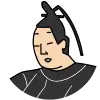
祐子内親王家紀伊Kii of Princess Yūshi's Household
Late Heian
dates unknown
A lady-in-waiting to Princess Yūshi, third daughter of Emperor Go-Suzaku, she was active as a poet for many years. Some sources say she was the younger sister or the wife of Fujiwara no Shigetsune, Governor of Kii, whose post is thought to be the source of her name. She composed for the Horikawa-in Love Letter Contest in 1102 and joined the Horikawa Hundred-Poem Sequences around 1105.
Love (Kin'yō Wakashū)
音に聞く
高師の浜の
あだ波は
かけじや袖の
ぬれもこそすれ
高師の浜の
あだ波は
かけじや袖の
ぬれもこそすれ
73
 Read more
権中納言匡房Acting Middle Counselor Masafusa
Late Heian
1041–1111
His real name was Ōe no Masafusa. A great-grandson of Akazome Emon, he was born into a family of scholars and became an advanced student of letters at 16. Well versed in court precedent and protocol, he tutored three emperors: Go-Sanjō, Shirakawa and Horikawa. He became Acting Middle Counselor in 1094 and died in 1111.
Spring (Goshūi Wakashū)
高砂の
尾の上の桜
咲きにけり
外山の霞
立たずもあらなむ
尾の上の桜
咲きにけり
外山の霞
立たずもあらなむ
74
 Read more
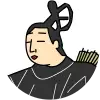
源俊頼朝臣Minamoto no Toshiyori Ason
Late Heian
1055–1129
Son of Minamoto no Tsunenobu. Known for his innovative style, he and the traditionalist Fujiwara no Mototoshi were the two great figures of the poetry world in the age of cloistered rule. Though of low rank, he compiled the Kin'yō Wakashū at the command of Retired Emperor Shirakawa. He served as poet and judge at many gatherings and led the poetry world until his death in 1129.
Love (Senzai Wakashū)
憂かりける
人を初瀬の
山おろしよ
はげしかれとは
祈らぬものを
人を初瀬の
山おろしよ
はげしかれとは
祈らぬものを
75
 Read more
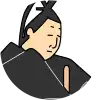
藤原基俊Fujiwara no Mototoshi
Late Heian
1060–1142
A great-grandson of Fujiwara no Michinaga, he ended his career in the minor rank of Junior Fifth Rank, Upper Grade. Valuing traditional style, he clashed with the innovative Minamoto no Toshiyori, and the two were regarded as the twin pillars of poetry in the age of cloistered rule. Late in life he took Fujiwara no Toshinari as a pupil; he took the tonsure in 1138 and died in 1142.
Misc. (Senzai Wakashū)
契りおきし
させもが露を
いのちにて
あはれ今年の
秋もいぬめり
させもが露を
いのちにて
あはれ今年の
秋もいぬめり
76
 Read more
法性寺入道前関白太政大臣Lay Novice of Hosshō-ji Temple, former Kampaku and Chancellor of the Realm
Late Heian
1097–1164
His real name was Fujiwara no Tadamichi. Eldest son of Fujiwara no Tadazane, he became Kampaku in 1121. His feud with his half-brother Yorinaga led to the Hōgen Rebellion, in which he sided with Emperor Go-Shirakawa in 1156 and won. Also a fine calligrapher, he is known as the founder of the Hosshō-ji school of calligraphy. He died in 1164.
Misc. (Shika Wakashū)
わたの原
こぎいでてみれば
久方の
雲居にまがふ
沖つ白波
こぎいでてみれば
久方の
雲居にまがふ
沖つ白波
77
 Read more
崇徳院Retired Emperor Sutoku
Late Heian
1119–1164
Eldest son of Emperor Toba, he took the throne in 1123 at the age of five, but, disliked by Retired Emperor Toba, he abdicated in favor of Emperor Konoe in 1141. Defeated in the Hōgen Rebellion of 1156, he was exiled to Sanuki Province and died there in 1164 without ever returning to the capital.
Love (Shika Wakashū)
瀬をはやみ
岩にせかるる
滝川の
われても末に
あはむとぞ思ふ
岩にせかるる
滝川の
われても末に
あはむとぞ思ふ
78
 Read more
源兼昌Minamoto no Kanemasa
Late Heian
dates unknown
A descendant of Emperor Uda, he rose no higher than Junior Fifth Rank, Lower Grade, a minor rank. He showed his talent as a poet and was one of the authors of the Eikyū Hundred-Poem Sequences, compiled in 1116 at the command of Emperor Toba. He also composed for the poetry contest at Lord Kuninobu's house in 1100 and other events.
Winter (Kin'yō Wakashū)
淡路島
かよふ千鳥の
鳴く声に
幾夜寝覚めぬ
須磨の関守
かよふ千鳥の
鳴く声に
幾夜寝覚めぬ
須磨の関守
79
 Read more
左京大夫顕輔Master of the Left Capital Akisuke
Late Heian
1090–1155
His real name was Fujiwara no Akisuke. Son of Fujiwara no Akisue, founder of the Rokujō Fujiwara house, he was born into a distinguished family of poets. He compiled the Shika Wakashū at the command of Retired Emperor Sutoku and presented it in 1151. He did not include a single poem by his son Kiyosuke, who had helped him—a sign of the rift between them. He died in 1155.
Autumn (Shin Kokinshū)
秋風に
たなびく雲の
たえ間より
もれいづる月の
影のさやけさ
たなびく雲の
たえ間より
もれいづる月の
影のさやけさ
80
 Read more
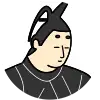
待賢門院堀川Horikawa, attendant to Empress Taiken
Late Heian
dates unknown
She served Empress Taiken (Taikenmon-in Tamako), mother of Retired Emperor Sutoku, and was active as a poet in Sutoku's time. In 1142 she took the tonsure along with Empress Taiken and spent her last years at Ninna-ji. Empress Taiken died in 1145, and in 1150 Horikawa contributed a hundred poems to the Kyūan Hundred-Poem Sequences.
Love (Senzai Wakashū)
長からむ
心もしらず
黒髪の
みだれてけさは
物をこそ思へ
心もしらず
黒髪の
みだれてけさは
物をこそ思へ
81
 Read more
後徳大寺左大臣Later Tokudaiji Minister of the Left
Late Heian
1139–1192
His real name was Fujiwara no Sanesada. A cousin of Fujiwara no Sadaie, he excelled at waka and was also a master musician. Because his grandfather Saneyoshi was called the "Tokudaiji Minister of the Left," he was called the "Later Tokudaiji Minister of the Left." He became Minister of the Left in 1189, took the tonsure in 1191 and died the following year.
Summer (Senzai Wakashū)
ほととぎす
鳴きつる方を
ながむれば
ただ有明の
月ぞ残れる
鳴きつる方を
ながむれば
ただ有明の
月ぞ残れる
82
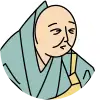 Read more
道因法師Priest Dōin
Late Heian
1090–1182 (approx.)
His lay name was Fujiwara no Atsuyori. He served as Assistant Director of the Right Bureau of Horses and reached Junior Fifth Rank, Upper Grade. Longing to compose fine poems, he walked every month from Kyoto to Sumiyoshi Shrine to pray. Even after taking the tonsure in 1172 he attended poetry gatherings in his advanced years, and he died around 1182.
Love (Senzai Wakashū)
思ひわび
さても命は
あるものを
憂きにたへぬは
涙なりけり
さても命は
あるものを
憂きにたへぬは
涙なりけり
83
 Read more
皇太后宮大夫俊成Master of the Empress Dowager's Household Toshinari
Late Heian
1114–1204
His real name was Fujiwara no Toshinari; he was the father of Fujiwara no Sadaie. He judged many poetry contests and valued aesthetic ideals such as yūgen (mysterious depth) and en (elegant charm). In 1188 he presented the Senzai Wakashū, compiled at the command of Retired Emperor Go-Shirakawa. In 1203 he was honored with a banquet for his 90th year, and he died in 1204.
Misc. (Senzai Wakashū)
世の中よ
道こそなけれ
思ひ入る
山の奥にも
鹿ぞ鳴くなる
道こそなけれ
思ひ入る
山の奥にも
鹿ぞ鳴くなる
84
 Read more
藤原清輔朝臣Fujiwara no Kiyosuke Ason
Late Heian
1104–1177
Son of Fujiwara no Akisuke. Because of the rift with his father, not one of his poems was included in the Shika Wakashū. He became head of the Rokujō Fujiwara house in 1155 and compiled the Shoku Shika Wakashū at the command of Emperor Nijō, but the emperor's death meant it never became an imperial anthology. He died in 1177.
Misc. (Shin Kokinshū)
長らへば
またこのごろや
しのばれむ
憂しと見し世ぞ
今は恋しき
またこのごろや
しのばれむ
憂しと見し世ぞ
今は恋しき
85
 Read more
俊恵法師Priest Shun'e
Late Heian
1113–1191 (approx.)
Son of Minamoto no Toshiyori, he lost his father at 17 and became a monk at Tōdai-ji. Around 1150 he named his quarters in Shirakawa the Karin'en ("Garden in the Forest of Poems") and held poetry gatherings there, inviting many poets. His pupils included Kamo no Chōmei, author of the Hōjōki. He died around 1191.
Love (Senzai Wakashū)
夜もすがら
物思ふころは
明けやらで
閨のひまさへ
つれなかりけり
物思ふころは
明けやらで
閨のひまさへ
つれなかりけり
86
 Read more
西行法師Priest Saigyō
Late Heian
1118–1190
His lay name was Satō Norikiyo. A guard of the North Quarters under Retired Emperor Toba and Lieutenant of the Left Military Guards, he took the tonsure in 1140—one theory says to cut off his love for Empress Taiken. A wandering poet, he traveled to Tōhoku, Shikoku and other regions, composing many poems along the way. He died at Hirokawa-dera in 1190.
Love (Senzai Wakashū)
嘆けとて
月やは物を
思はする
かこち顔なる
わが涙かな
月やは物を
思はする
かこち顔なる
わが涙かな
87
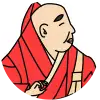 Read more
寂蓮法師Priest Jakuren
Kamakura
1139 (approx.)–1202
The adopted son of Fujiwara no Toshinari, he is said to have taken the tonsure so that Toshinari's own son, Sadaie, could become heir. After training on Mount Kōya, he wandered through the provinces and settled in Saga. In 1201 he was chosen as a compiler of the Shin Kokin Wakashū with Sadaie and others, but he died the following year, 1202.
Autumn (Shin Kokinshū)
村雨の
露もまだひぬ
まきの葉に
霧たちのぼる
秋の夕暮
露もまだひぬ
まきの葉に
霧たちのぼる
秋の夕暮
88
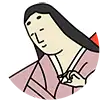 Read more
皇嘉門院別当Attendant to Empress Kōka
Kamakura
dates unknown
She served Empress Kōka (Fujiwara no Kiyoko), consort of Retired Emperor Sutoku, as her chief attendant (bettō). She composed for the 1175 poetry contest at the house of Minister of the Right Kanezane and the Minister of the Right's hundred-poem sequence of 1178. By 1182, when Empress Kōka died, she had already taken the tonsure.
Love (Senzai Wakashū)
難波江の
葦のかりねの
ひとよゆゑ
みをつくしてや
恋ひわたるべき
葦のかりねの
ひとよゆゑ
みをつくしてや
恋ひわたるべき
89
 Read more
式子内親王Princess Shikishi
Kamakura
1149–1201
Third daughter of Retired Emperor Go-Shirakawa. Appointed High Priestess of the Kamo Shrines in 1159, she was denied freedom in love all her life. After stepping down she lost one family member after another and was even suspected of laying a curse, living a turbulent life. She has 49 poems in the Shin Kokin Wakashū, more than any other woman poet. She died in 1201.
Love (Shin Kokinshū)
玉の緒よ
絶えなば絶えね
ながらへば
忍ぶることの
弱りもぞする
絶えなば絶えね
ながらへば
忍ぶることの
弱りもぞする
90
 Read more
殷富門院大輔Attendant to Empress Inpu
Kamakura
1130 (approx.)–1200 (approx.)
Daughter of Fujiwara no Nobunari, she served Empress Inpu (Inpumon-in), a daughter of Emperor Go-Shirakawa. She was called "Thousand-Poem Taifu" because she composed so many poems. She joined the Juei Hundred-Poem Sequences in 1182 and took the tonsure in 1192 along with Empress Inpu. She died around 1200.
Love (Senzai Wakashū)
見せばやな
雄島のあまの
袖だにも
ぬれにぞぬれし
色はかはらず
雄島のあまの
袖だにも
ぬれにぞぬれし
色はかはらず
91
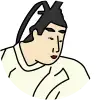 Read more
後京極摂政前太政大臣Gokyōgoku Regent and former Chancellor of the Realm
Kamakura
1169–1206
His real name was Kujō Yoshitsune. Grandson of Fujiwara no Tadamichi and second son of Kujō Kanezane, he became head of the Kujō house after his elder brother died young. He became Regent to Emperor Tsuchimikado in 1202 and Chancellor of the Realm in 1204, but died in 1206 at 38, before his father. One theory says he was assassinated.
Autumn (Shin Kokinshū)
きりぎりす
鳴くや霜夜の
さむしろに
衣かたしき
ひとりかも寝む
鳴くや霜夜の
さむしろに
衣かたしき
ひとりかも寝む
92
 Read more
二条院讃岐Sanuki, attendant to retired Emperor Nijō
Kamakura
1141 (approx.)–1217 (approx.)
Daughter of Minamoto no Yorimasa, she served Retired Emperor Nijō and then Gishūmon-in, empress of Emperor Go-Toba. A master of waka, she was ranked alongside Princess Shikishi. In 1180 she lost her father and elder brother, who had joined Prince Mochihito's uprising, and later took the tonsure. She died around 1217.
Love (Senzai Wakashū)
わが袖は
潮干に見えぬ
沖の石の
人こそ知らね
かわくまもなし
潮干に見えぬ
沖の石の
人こそ知らね
かわくまもなし
93
 Read more
鎌倉右大臣Minister of the Right of Kamakura
Kamakura
1192–1219
His real name was Minamoto no Sanetomo. Son of Minamoto no Yoritomo and Hōjō Masako, he became the third shogun of the Kamakura shogunate in 1203 at the age of 12. He loved waka and wished for a peaceful world. His Kinkai Wakashū was compiled around 1213, and he became Minister of the Right in 1218. In 1219 he was assassinated by his nephew Kugyō.
Travel (Shin Chokusen Wakashū)
世の中は
つねにもがもな
渚こぐ
あまの小舟の
綱手かなしも
つねにもがもな
渚こぐ
あまの小舟の
綱手かなしも
94
 Read more
参議雅経Councillor Masatsune
Kamakura
1170–1221
His real name was Fujiwara no Masatsune. A master of kemari, he founded the Asukai school of the game. He studied waka under Fujiwara no Toshinari, became a fellow of the Bureau of Poetry in 1201, and was chosen as one of the compilers of the Shin Kokin Wakashū. He became Councillor in 1220 and died in 1221.
Autumn (Shin Kokinshū)
み吉野の
山の秋風
さ夜ふけて
ふるさと寒く
衣うつなり
山の秋風
さ夜ふけて
ふるさと寒く
衣うつなり
95
 Read more
前大僧正慈円Former Senior High Priest Jien
Kamakura
1155–1225
Sixth son of Fujiwara no Tadamichi, he entered Shōren-in in 1167 and took the tonsure. He became head of the Tendai sect in 1192 and held the post four times in his life. Around 1220 he wrote the historical treatise Gukanshō, which is thought to have been meant to dissuade Retired Emperor Go-Toba from taking up arms. He died in 1225.
Misc. (Senzai Wakashū)
おほけなく
憂き世の民に
おほふかな
わがたつ杣に
墨染の袖
憂き世の民に
おほふかな
わがたつ杣に
墨染の袖
96
 Read more
入道前太政大臣Lay Novice and former Chancellor of the Realm
Kamakura
1171–1244
His real name was Saionji Kintsune. He married a niece of Minamoto no Yoritomo and was closely tied to the Kamakura shogunate. In the Jōkyū War he secretly reported Retired Emperor Go-Toba's plans to the shogunate, and he became Chancellor of the Realm in 1222. He built the Saionji temple in Kitayama, reaching the height of prosperity, and died in 1244.
Misc. (Shin Chokusen Wakashū)
花さそふ
嵐の庭の
雪ならで
ふりゆくものは
わが身なりけり
嵐の庭の
雪ならで
ふりゆくものは
わが身なりけり
97
 Read more
権中納言定家Acting Middle Counselor Sadaie
Kamakura
1162–1241
His real name was Fujiwara no Sadaie (also read Teika). Son of Fujiwara no Toshinari, he is the poet who compiled the Hyakunin Isshu. He was chosen as a compiler of the Shin Kokin Wakashū in 1201 and completed the Shin Chokusen Wakashū in 1235. He also copied The Tale of Genji and other works, passing them down to later generations. He died in 1241.
Love (Shin Chokusen Wakashū)
来ぬ人を
松帆の浦の
夕なぎに
焼くやもしほの
身もこがれつつ
松帆の浦の
夕なぎに
焼くやもしほの
身もこがれつつ
98
 Read more
従二位家隆Junior Second Rank Ietaka
Kamakura
1158–1237
His real name was Fujiwara no Ietaka. He studied waka under Fujiwara no Toshinari and, with Fujiwara no Sadaie, was a leading figure of the poetry world. He was chosen as a compiler of the Shin Kokin Wakashū in 1201. Even after Retired Emperor Go-Toba was exiled to Oki following the Jōkyū War, he kept writing to him and continued to support him. He died in 1237.
Summer (Shin Chokusen Wakashū)
風そよぐ
ならの小川の
夕暮は
みそぎぞ夏の
しるしなりける
ならの小川の
夕暮は
みそぎぞ夏の
しるしなりける
99
 Read more
後鳥羽院Retired Emperor Go-Toba
Kamakura
1180–1239
Son of Emperor Takakura, he took the throne without the Three Sacred Treasures. As if to make up for this, he became accomplished in many fields, waka among them. In 1201 he ordered the compilation of the Shin Kokin Wakashū. Defeated in the Jōkyū War of 1221, he was exiled to Oki and died there.
Misc. (Shoku Gosen Wakashū)
人もをし
人もうらめし
あぢきなく
世を思ふゆゑに
物思ふ身は
人もうらめし
あぢきなく
世を思ふゆゑに
物思ふ身は
100
 Read more
順徳院Retired Emperor Juntoku
Kamakura
1197–1242
Third son of Retired Emperor Go-Toba, he took the throne in 1210 at the age of 14. He recorded the ceremonies and customs of the court in the Kinpishō, seeking to show the significance of the imperial court. Defeated with his father in the Jōkyū War of 1221, he was exiled to Sado and died there in 1242.
Misc. (Shoku Gosen Wakashū)
ももしきや
ふるき軒ばの
しのぶにも
なほあまりある
昔なりけり
ふるき軒ばの
しのぶにも
なほあまりある
昔なりけり